
Federal Capital Territory Minister Nyesom Wike has questioned the Catholic Bishops’ Conference of Nigeria (CBCN) over its remarks urging the Independent National Electoral Commission (INEC) to remain neutral ahead of the 2027 general election.
Speaking during a media chat in Abuja on Tuesday, Wike challenged the bishops to provide evidence to support any suggestion that the electoral commission is biased.
“How did the Catholic Bishops come to the conclusion that INEC is biased? What are your facts?” Wike asked, arguing that such claims from a respected religious body could undermine public confidence if not backed by evidence.
He said organisations making allegations against INEC should present clear facts rather than broad assertions, warning that unsubstantiated comments could send the wrong signal to Nigerians.
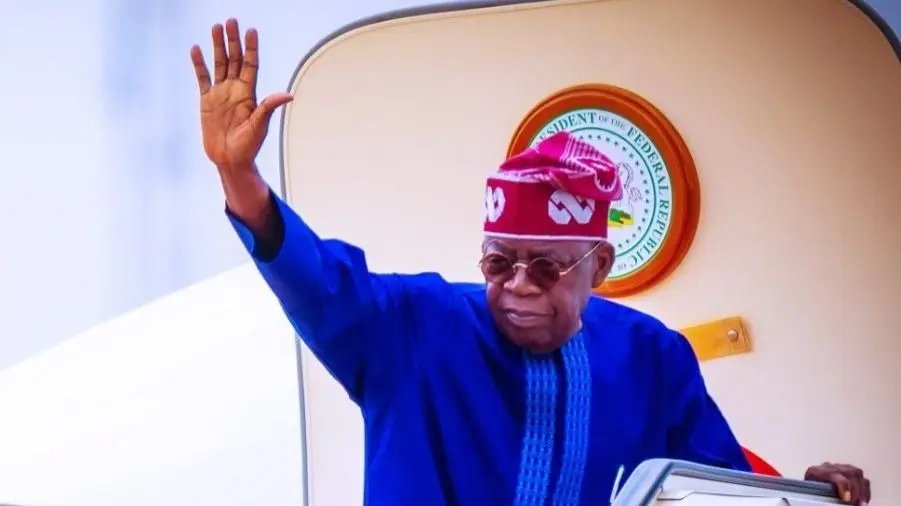
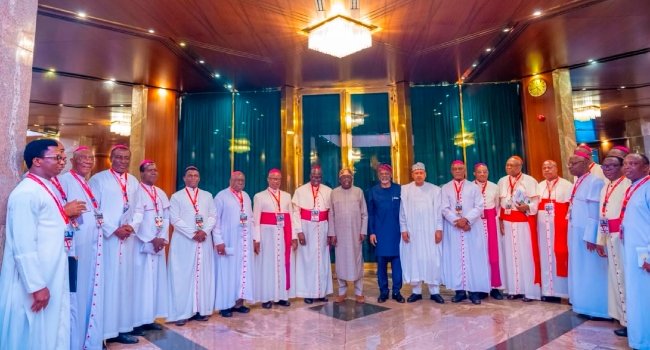
The minister’s remarks followed last week’s meeting between President Bola Tinubu and the leadership of the Catholic Bishops’ Conference of Nigeria at the Presidential Villa in Abuja. During the visit, the bishops called on the president to ensure that the 2027 elections are credible and democratic institutions are strengthened amid concerns raised by opposition parties.
President Tinubu rejected suggestions that INEC lacks independence, insisting the electoral body has not intimidated political opponents. He said political contests should be decided through fair competition rather than allegations against institutions.
“I asked for this job. Those who will take it from me will try,” the president said, maintaining that INEC remains neutral.
The debate intensified after former Archbishop of Abuja, Cardinal John Onaiyekan, said the president appeared unhappy with the bishops’ message, which highlighted Nigeria’s economic challenges and governance concerns.
The Presidency responded through presidential spokesman Daniel Bwala, who accused Onaiyekan of taking a political position and claimed the cleric’s views did not represent all Christians in Nigeria.
Wike echoed that criticism during the media chat, alleging that Onaiyekan’s political preference was well known and describing the cardinal’s stance as partisan.
The exchange adds to growing political debate over the credibility of institutions and preparations for the 2027 general election.