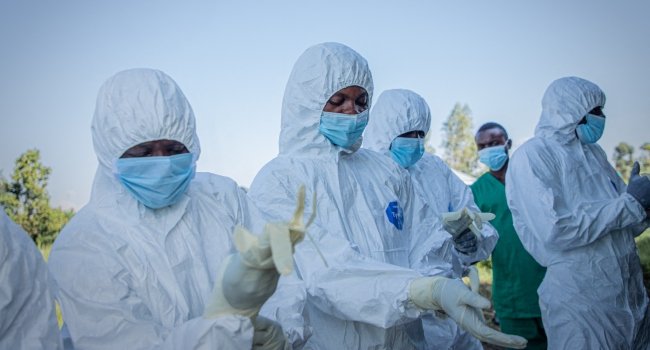
The Ebola outbreak in the Democratic Republic of Congo has killed more than 2,000 people, with health authorities reporting 2,011 deaths from 4,381 confirmed cases.
According to Channels Television, the outbreak has spread through conflict-affected areas in eastern and northeastern DRC. Declared on May 15, 2026, the outbreak is the country’s 17th recorded Ebola surge and is already being described as one of its most severe.
The current case fatality rate stands at 45.9 per cent, according to Congolese health authorities.
The death toll is approaching the DRC’s deadliest Ebola outbreak, which occurred between 2018 and 2020 and killed nearly 2,300 people among about 3,500 recorded cases.
Health officials have warned that the latest outbreak could become the largest Ebola outbreak ever recorded. Sania Nishtar, chief executive of the Gavi vaccine alliance, said the outbreak “could well become the largest outbreak ever”.
A major concern is the Ebola strain involved. The current outbreak is being driven by the Bundibugyo strain, for which there is currently no specific approved vaccine.
The World Health Organisation’s vaccine experts have recommended a full-scale human trial of Ervebo, the existing approved Ebola vaccine, to determine whether it can provide protection against the Bundibugyo strain.
Ervebo has already been shown to be safe and effective against the more common Zaire strain. Early evidence, including animal studies, suggests it could also provide some protection against Bundibugyo.
Two potential vaccines specifically targeting the Bundibugyo strain are currently in the early stages of human clinical trials, while another candidate is being developed.
Ebola is a highly contagious viral disease transmitted through contact with infected bodily fluids and can cause severe haemorrhagic fever.