
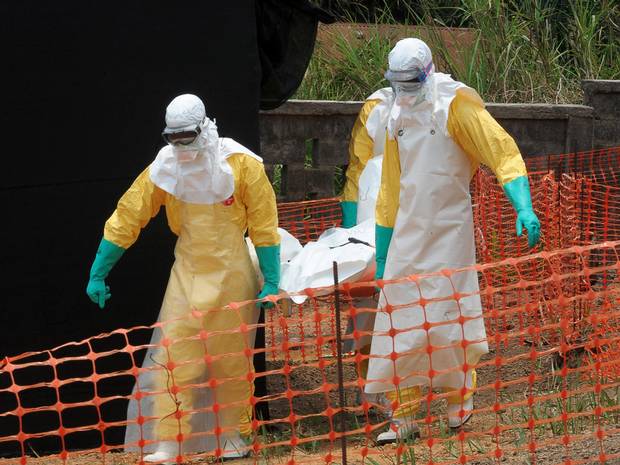
Frontline health workers battling the Ebola outbreak in the Democratic Republic of Congo (DRC) have threatened to embark on a nationwide strike over months of unpaid salaries, raising fresh concerns about efforts to contain the deadly disease.
According to AFP, as published by Channels Television, medical personnel at the Ebola treatment centre in Rwampara, one of the hardest-hit areas in Ituri Province, staged protests on Monday by burning tyres and temporarily blocking access to the facility.
Doctors said they had issued authorities a 48-hour ultimatum to pay outstanding salaries and risk allowances, warning they would begin a full-scale strike if their demands were not met.
“We’ve been treating Ebola patients without pay since May 15. We continue to do so because that is our oath, but we are working in very difficult conditions,” doctor Pascal Bahoya told AFP.
The latest official figures show the outbreak has claimed more than 700 lives, with nearly 2,000 confirmed infections since it was declared on May 15.
However, the World Health Organization (WHO) warned on Tuesday that the true scale of the epidemic could be between two and four times higher than official estimates.
WHO Emergencies Director Chikwe Ihekweazu said modelling by the UN health agency suggests many infections remain undetected, indicating the outbreak is significantly larger than reported.
The Bundibugyo strain responsible for the current outbreak has no approved vaccine or specific treatment, although clinical trials involving two experimental therapies are underway.
The virus has spread from Ituri to four other eastern provinces, including North Kivu, South Kivu, Tshopo and Haut-Uele.
The response has also taken a toll on healthcare workers. According to the DRC’s National Public Health Institute, at least 112 health workers have been infected, while 35 have died.
During a visit to Ituri last week, Health Minister Samuel Roger Kamba acknowledged delays in salary payments and assured affected workers that the administrative issues causing the delays would be resolved.
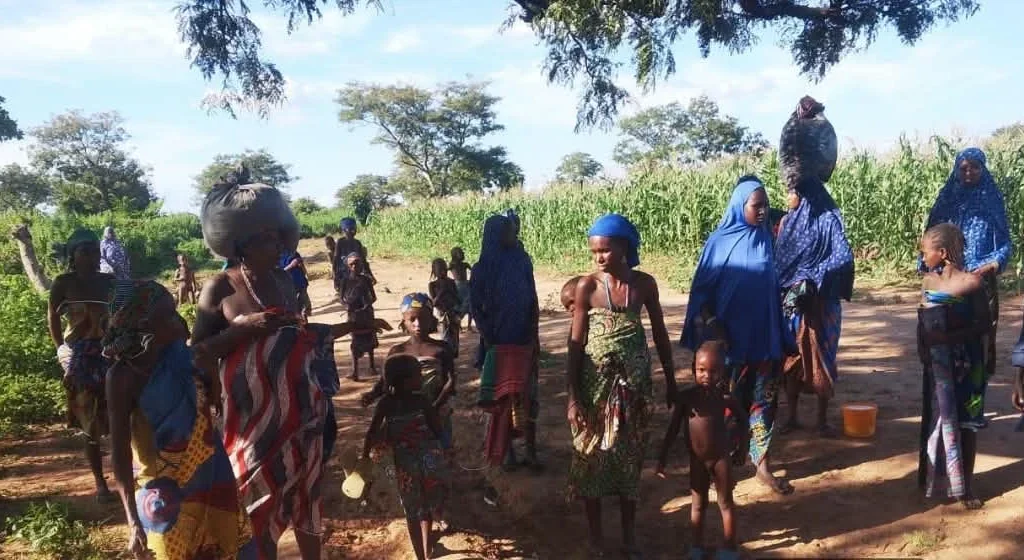
Eastern DRC continues to face armed conflict and mass displacement, with overcrowded camps lacking adequate water and sanitation, conditions that health experts say increase the risk of further transmission.
The international community has pledged about $1.5 billion to support the country’s Ebola response, but humanitarian agencies warn that the underfunded health system remains under severe strain.