
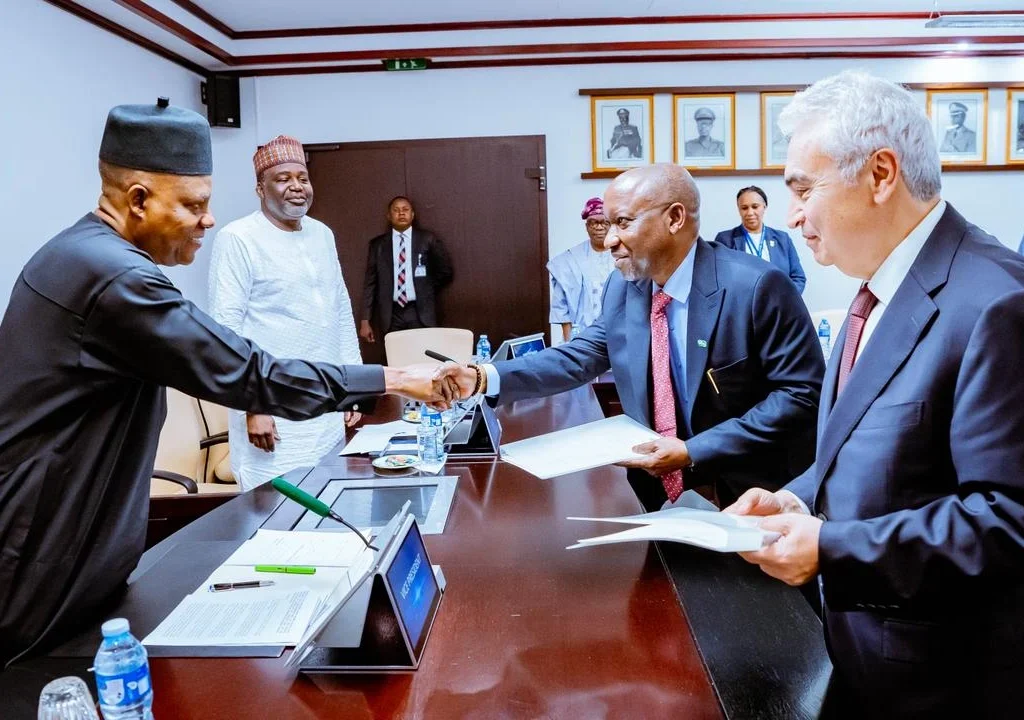
Nigeria and the International Energy Agency (IEA) have signed a Joint Work Programme aimed at strengthening cooperation on energy policy, data development, investment and energy security.
The agreement was signed in Abuja on Thursday, September 3, 2026, marking the formal commencement of the partnership following Nigeria’s admission as an IEA association country.
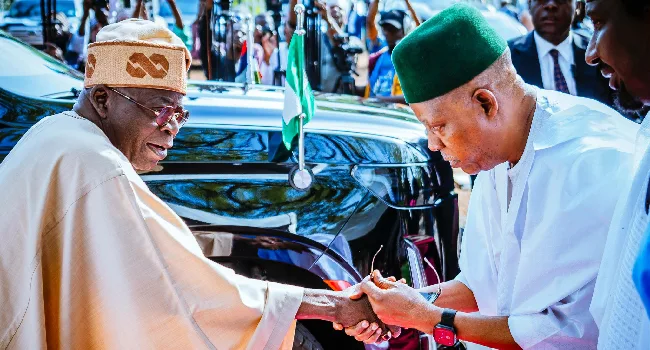
Speaking on behalf of President Bola Tinubu, Vice President Kashim Shettima described Nigeria’s formal entry into the IEA as a significant milestone and a reflection of the country’s strategic importance in the global energy landscape.
Shettima said Nigeria would benefit from the agency’s institutional knowledge, expertise, data and intellectual resources as the country seeks to maximise its energy potential.
He also highlighted Nigeria’s renewable energy resources and the administration’s commitment to working with international partners on energy security, affordability, sustainability and a fair energy transition.
IEA promises support for Nigeria
IEA Executive Director Fatih Birol said the organisation covers a broad range of energy technologies, including oil and gas, solar power, nuclear energy, artificial intelligence and electric vehicles.
Birol said Nigeria’s admission followed detailed discussions and assessments, after which the IEA governing board, comprising governments including the United States, Japan, Germany, Italy and the United Kingdom, unanimously accepted the country.
He said the IEA would work with Nigeria over the coming years to support the development of a stronger energy sector.
According to Birol, the support will cover areas ranging from clean cooking and gas markets to training Nigerian experts and providing policy advice.
Focus on energy data and investment
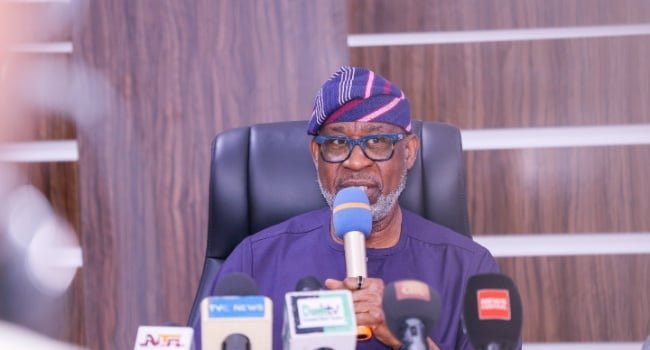
The Minister of State for Petroleum Resources (Gas), Ekperikpe Ekpo, said the Joint Work Programme would involve IEA technical experts working with Nigeria to develop data needed for energy policy and investment decisions across the value chain.
The initiative is expected to support Nigeria’s efforts to improve economic growth and strengthen energy security.
Minister of State for Foreign Affairs Sola Enikanoaiye described the partnership as strategically important, while noting the role played by Nigeria’s mission in Paris in securing the agreement.
The Director-General of the Energy Commission of Nigeria, Mustapha Abdullahi, said the commission had previously worked with the IEA, including on the joint sponsorship of Nigeria’s National Energy Master Plan.
He expressed optimism that Nigeria’s formal relationship with the agency would further strengthen technical cooperation in the energy sector.