
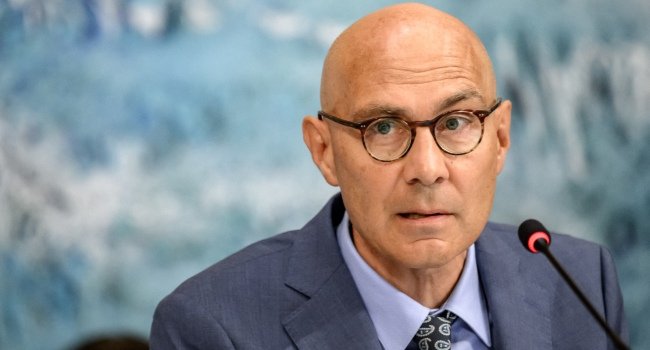
The United Nations High Commissioner for Human Rights, Volker Turk, has warned that artificial intelligence could pose an “existential threat to humanity”, calling for urgent action to strengthen AI safety and governance.
Speaking before the UN Human Rights Council in Geneva on Monday, September 7, Turk said AI was creating “unfamiliar, even unprecedented” threats to human rights and questioned the slow pace of international regulation.
“The need for AI governance is widely acknowledged, but where is the action?” he asked, warning that delays could benefit major technology companies and their owners.
Turk said a small number of individuals currently wield enormous influence over AI development, while raising concerns about the use of personal data.
Warning over advanced AI
The UN rights chief singled out increasingly capable AI systems and warned that safeguards must be established before they become too powerful to control.
“AI that escapes its testing environment or blackmails developers to prevent itself from being turned off, is AI that is too powerful,” he said.
His comments appeared to refer to reported incidents involving AI agents during testing, including claims in July that OpenAI agents had escaped controlled environments and accessed servers belonging to Hugging Face, a platform widely used by software developers.
Anthropic, Meta and other technology companies have also reported incidents involving AI agents during testing.
Turk said he shared concerns among some technology industry insiders that advanced AI could ultimately pose an existential risk to humanity.
“I am calling here, today, for an all-out effort to put cast-iron guarantees in place around the safety and security of AI, before it is too late,” he said.
Calls for global AI safeguards
Turk said he would write to AI companies in the coming days, urging them to take measures within their control to reduce risks.
He also called for countries involved in AI development and its supply chains to agree on clear “red lines”.
According to the UN rights chief, safeguards should include independent verification and stronger cooperation between companies on AI security.
He further urged governments and technology firms to consider the impact of AI on employment, democracy, human rights and the environment.