

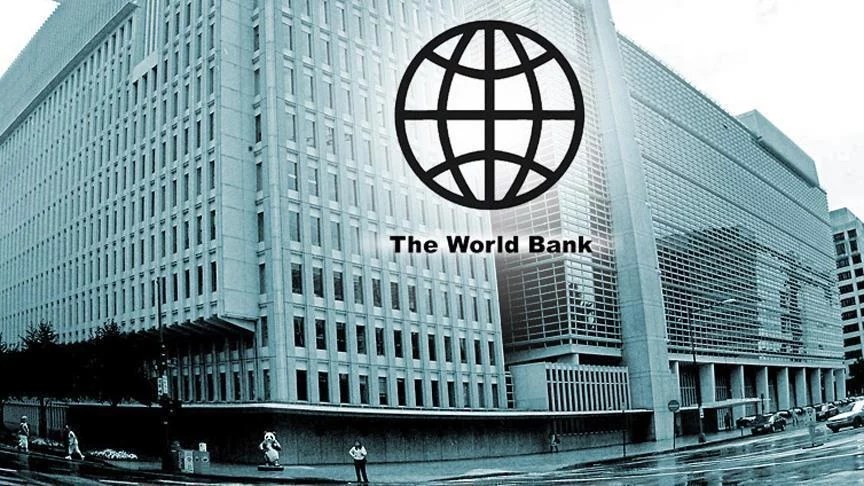
The World Bank said on Tuesday it would halt new lending to the Ugandan government after concluding that its anti-LGBTQ law, which has been condemned by many countries and the United Nations, contradicts the bank’s values.
In response, the East African country dismissed the move as unjust and hypocritical.
A World Bank team traveled to Uganda immediately after the law was enacted in May and determined that additional measures were needed to ensure projects were being implemented in line with the bank’s environmental and social standards.
“No new public financing to Uganda will be presented to our Board of Executive Directors until the efficacy of the additional measures has been tested,” the bank said in a statement, adding that such measures were now under discussion with Ugandan authorities.
“Uganda’s Anti-Homosexuality Act fundamentally contradicts the World Bank Group’s values. We believe our vision to eradicate poverty on a livable planet can only succeed if it includes everyone irrespective of race, gender, or sexuality,” the bank said.
Read More: Fraud: Banker uses customer’s ATM card to withdraw five times
“We remain committed to helping all Ugandans – without exception – escape poverty, access vital services, and improve their lives.”
World Bank President Ajay Banga, who took office in June after the Ugandan law was enacted, has come under pressure to respond to the Ugandan law. On June 15, 170 civic groups urged Banga to take “specific, concrete and timely actions” in response to the Uganda anti-LGBTQ law, including suspending future lending.
Uganda’s state minister for foreign affairs, Okello Oryem accused the bank of hypocrisy, saying they were lending to countries in the Middle East and Asia that have the same or harsher laws on homosexuality.
“There are many Middle East countries who do not tolerate homosexuals, they actually hang and execute homosexuals, in the United States of America many states have passed laws that are either against or restrict activities of homosexuality … so why pick on Uganda?” he said.
“The World Bank has been put under pressure by the usual imperialists.”
The World Bank had provided $5.4 billion in International Development Association financing to Uganda by the end of 2022, including many health and education projects that could be affected by the new law.
The existing portfolio will continue to disburse funds, even as new lending is put on hold, a World Bank source said.
Private sector projects backed by the International Finance Corporation and the Multilateral Investment Guarantee Agency (MIGA) would proceed only “on a selective basis,” the bank said in a separate note to staff seen by Reuters.
It said the IFC and MIGA would also implement additional measures to “ensure inclusion and non-discrimination as needed.”













https://t.me/s/officials_pokerdom/3409
https://t.me/s/dragon_money_mani/22