
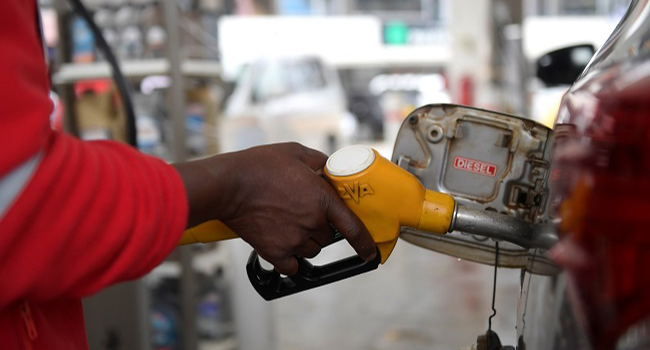
The African Democratic Congress has criticised the Federal Government over petrol prices reaching as high as ₦1,470 per litre, saying the increase is adding pressure to households and businesses across Nigeria.
In a statement issued by its National Publicity Secretary, Bolaji Abdullahi, in Abuja on Tuesday, the opposition party said higher petrol prices were affecting transportation, food, electricity, education and other daily expenses.
The ADC also cited reported increases in private school fees of between 30 and 40 per cent, arguing that families were facing rising costs without corresponding increases in income.
The party said school proprietors were themselves dealing with higher expenses, including taxes, electricity, fuel, rent and salaries.
The ADC described the ₦1,470 petrol price as an additional burden, claiming that some families were being forced to cut back on food, education, medical treatment and business activities. These claims were presented by the party as part of its criticism of the administration’s economic policies.
The party also criticised what it described as spending by public officials while ordinary Nigerians were being asked to make economic sacrifices.
On the 2027 presidential election, the ADC linked its criticism of the fuel price to its proposed economic programme under its presidential candidate, Atiku Abubakar. The party said Atiku would seek to reduce fuel costs by supporting domestic production and restoring a form of subsidy aimed at local fuel production.
Atiku has separately questioned how savings from the removal of petrol subsidy have been used and called for greater transparency over oil revenues and Federation Account deductions.
The latest petrol price increases have also been reported at filling stations in several cities, with outlets in Abuja, Lagos and Ibadan recording different prices.
The ADC urged the Federal Government to address the pressures facing households and businesses, warning that Nigerians’ patience should not be interpreted as acceptance of continued economic difficulties.