
/ Sep 21, 2026
/ Sep 21, 2026

18 suspects arrested over 2021 killing of Haitian president

Published on

By

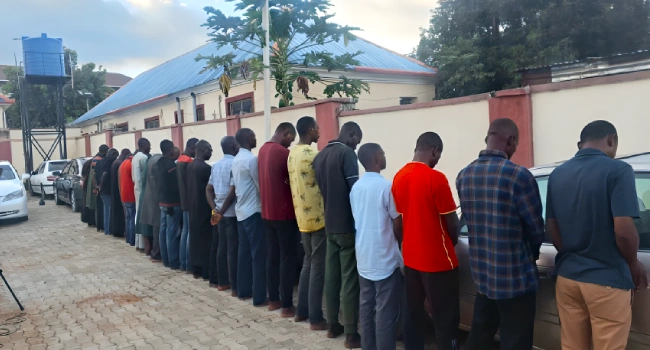
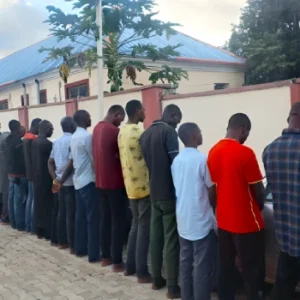
Eighteen suspects linked to the 2021 assassination of former Haitian President Jovenel Moïse have been transported from Haiti to Florida to face trial in the United States.


US officials said the suspects were moved aboard a military aircraft as part of a multinational effort to prosecute those accused of involvement in the killing.

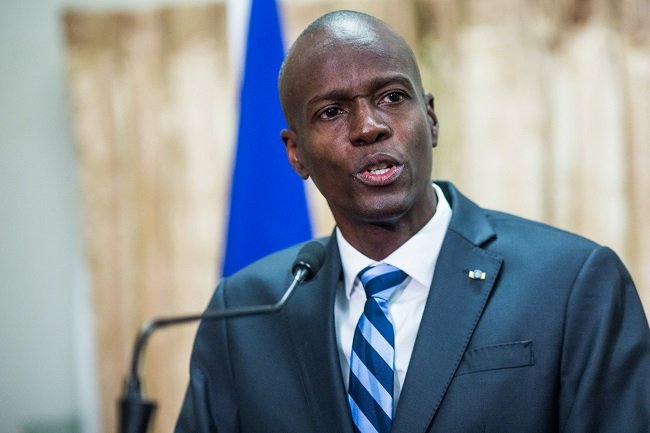
Moïse, 53, was shot dead at his private residence in Port-au-Prince on July 7, 2021. Prosecutors say a group of about 20 Colombian military-trained mercenaries was involved in the operation.

FBI special agent Brett Skiles said the arrests across multiple locations and countries demonstrated the agency’s continued efforts to bring those involved in the plot to justice.

Federal prosecutor Jason Reding Quinones said 18 suspects had been transported from Haiti to face proceedings in the Southern District of Florida.

He added that 30 people had so far been indicted in connection with the assassination.

Among those transferred is Joseph Felix Badio, a former anti-corruption official at Haiti’s Ministry of Justice who is considered a key suspect in the investigation. Haitian government and police sources told AFP that the other 17 suspects are Colombian nationals.

Colombia’s Ministry of Foreign Affairs confirmed that it was monitoring the transfer of 17 Colombian citizens to the United States. The ministry said it had not intervened in the decision or process leading to their transfer.

The latest development follows the conviction in May of four men in a Miami federal court on charges including conspiracy to kill or kidnap Moïse, conspiracy to provide material support and violating the US Neutrality Act.

The four men were linked to CTU, a Florida-based private security company. US prosecutors said they were drawn into the alleged plot by the prospect of securing lucrative contracts after Moïse was removed from power.

Eleven people have already been indicted in US courts over the assassination, with American jurisdiction applying to parts of the alleged conspiracy that were planned on US soil.

Moïse’s killing plunged Haiti further into political and security turmoil. The country currently has no president and is preparing for presidential and legislative elections, as well as a constitutional referendum, scheduled for December 13, if security conditions permit.

Meanwhile, gangs continue to control large parts of the capital, Port-au-Prince, where kidnappings, armed robbery and carjackings remain widespread.

You May Like

Leave a Reply

Your email address will not be published. Required fields are marked *

Most Popular

Must Read

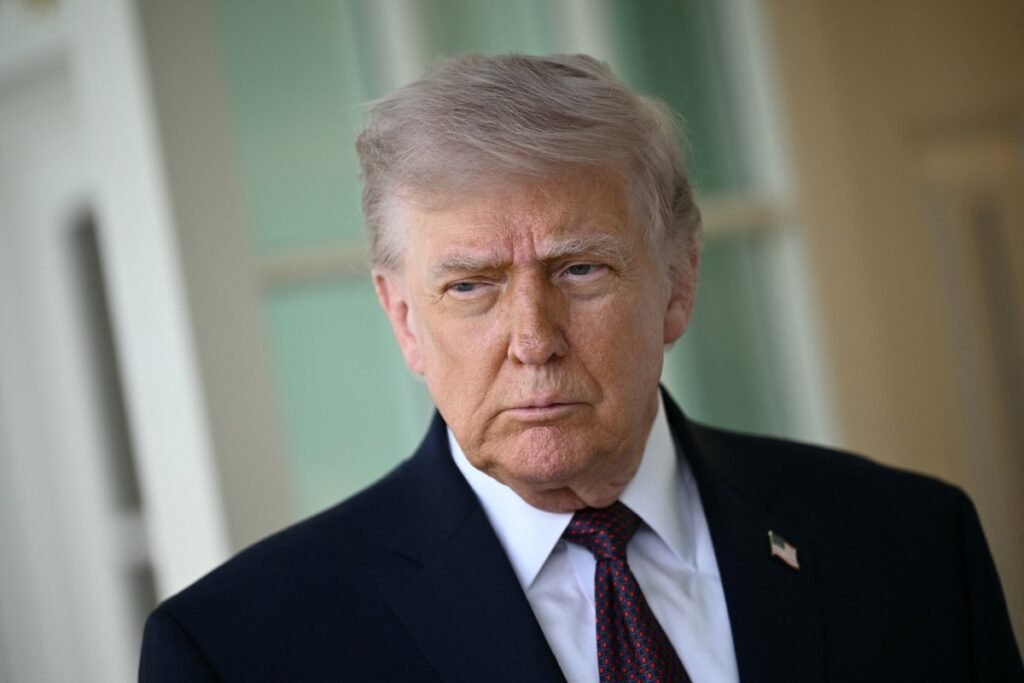
US President Donald Trump pictured as US-Canada tariff talks collapse over proposed new tariffs.

US deports 25,000 migrants to third countries under secret deals

The United States has deported more than 25,000 migrants to countries with which they have no previous ties under agreements negotiated by the Trump administration, according to an investigation by Forbidden Stories and an international consortium of journalists.   The investigation, published Monday and reported by Channels Television, found that 25,447 people had been deported to third countries as of August 31, 2026. Since President Donald Trump returned to office in January 2025, the US has reportedly reached agreements with developing countries to receive migrants who cannot legally be deported directly to their countries of origin. Around 20,000 deportees were sent to Mexico, while thousands more were transferred to 27 other countries across Latin America, Africa and the Pacific. Agreements have also reportedly been finalised with seven additional countries. The US government has earmarked about $410 million for the arrangements, with funds going either directly to receiving governments or through UN agencies involved in facilitating the transfers. African countries approached According to the investigation, 49 of Africa’s 54 countries have been approached about accepting migrants deported from the US. The report said the agreements differ in their terms, including the nationalities that can be accepted and whether countries will take people with criminal records. An AFP investigation earlier in 2026 reported that Washington had used visa restrictions and bans involving African countries as leverage in negotiations over accepting deportees. Lawyers cited by AFP said some migrants were effectively being placed in a legal limbo, detained in countries where they had no connections and potentially limited legal protections. Cameroon receives deportees The investigation identified Cameroon as one of the countries that reached an agreement with Washington. Cameroon signed a memorandum of understanding with the US in December 2025 to accept third-country deportees. The first aircraft carrying deportees reportedly arrived in the country on January 14, 2026. The report also linked the agreement to increased US assistance to Cameroon. A five-year health assistance programme worth almost $400 million was signed shortly after the memorandum. The US State Department subsequently announced an additional $30 million for the UN Refugee Agency in Cameroon to support the voluntary return of refugees and efforts against illegal immigration. How much countries are being paid Some agreements include direct financial payments to receiving governments. Palau, a Pacific island nation with a population of fewer than 18,000 people, agreed in December 2025 to accept up to 75 third-country nationals in exchange for $7.5 million. So far, only three people have reportedly been transferred there. In Eswatini, 32 people have arrived since July 2025 under an agreement allowing up to 160 deportees. The deal is reportedly worth more than $5 million, and the country has accepted people with criminal records. State Department records reviewed by the investigation reportedly showed that $81 million of the $410 million earmarked for the arrangements was intended for signatory governments. More than $178 million was allocated to the International Organisation for Migration, while $123 million was earmarked for UNHCR. UNHCR said it was not a party to the bilateral agreements and that US funding was being used within its mandate to strengthen asylum systems. The International Organisation for Migration said its decision to accept funding was based on whether its involvement would improve conditions for affected migrants.
Read more

Editor's Pick

Trending News

Newsletter

Enter your email address and receive notifications of news by email.

You have been successfully Subscribed! Ops! Something went wrong, please try again.

© 2026 GongNews. All Rights Reserved.