/ Aug 17, 2026
/ Aug 17, 2026

Blog

  • All
  • Africa
  • Agriculture
  • Aviation
  • Banking
  • Business
  • Crime
  • Economy
  • Education
  • Entertainment
  • fashion
  • Health
  • Home
  • International
  • Judiciary
  • lifestyle
  • Metro
  • News
  • Nigeria
  • Politics
  • Religion
  • Security
  • Sport
  • sports
  • Tech
  • Technology
  • World News

Trending

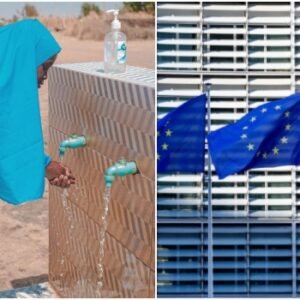
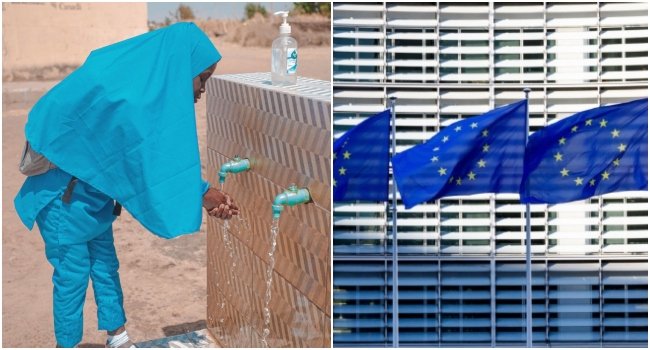
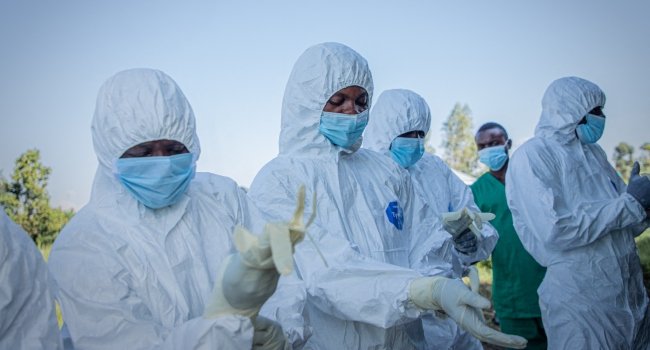
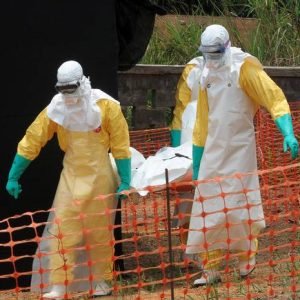
a patient during a cholera response as the European Union provides emergency funding to Nigeria and three African countries.

Nigeria gets €1.5m as EU releases €2.3m to tackle cholera outbreaks in Africa

The European Commission has allocated €2.3 million in emergency humanitarian funding to Nigeria, Cameroon, the Central African Republic and Chad to support efforts to contain ongoing cholera outbreaks.   The funding, announced on Monday, is aimed at strengthening outbreak response, improving access to safe water and sanitation, and supporting affected communities. According to the World Health Organization (WHO), more than 61,000 cholera cases were reported across the African Region in the first five months of 2026. Nigeria gets €1.5m Nigeria will receive the largest share of the funding, with €1.5 million earmarked for the country’s cholera response. The money will be used to increase the number of intervention teams, provide essential supplies including cholera kits, and strengthen water, sanitation and hygiene measures. The EU said the support will also cover the treatment of public water points and household water, while helping intensify epidemiological surveillance in hard-to-reach areas. It will further support case management, risk communication and community sensitisation. The development comes as several Nigerian states continue to respond to rising cholera cases. In Plateau State, authorities recently intensified containment measures after reporting 537 cases and 17 deaths. Other countries receive funding Cameroon will receive €100,000 to support outbreak containment and case management, including additional healthcare personnel, medicines, cholera treatment units and oral rehydration points in affected communities. The Central African Republic will receive €500,000 to scale up case management and vaccination, alongside water, sanitation and hygiene interventions. The funding will also strengthen surveillance, community engagement and safe burials. Chad will receive €200,000 to help break the chain of cholera transmission through improved access to water, sanitation and hygiene, as well as community support for surveillance and case management. The EU Commissioner for Preparedness and Crisis Management, Hadja Lahbib, said cholera remains a preventable and treatable disease but continues to threaten communities without access to safe water and healthcare. The funding, she said, would enable humanitarian partners to respond quickly, contain outbreaks and protect vulnerable communities. Cholera is caused by Vibrio cholerae bacteria and is commonly transmitted through contaminated food or water. Severe infections can cause rapid dehydration and shock.
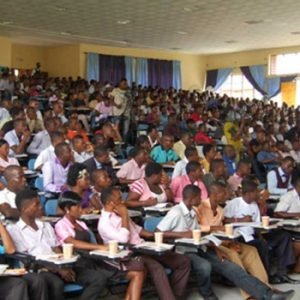
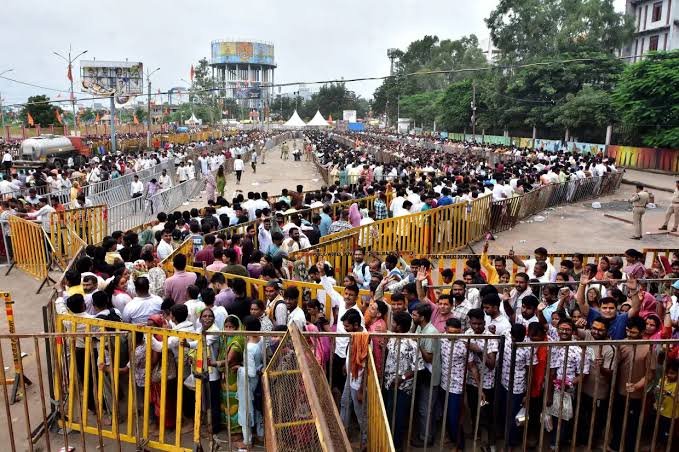
ASUU members at Kaduna State University threaten indefinite strike over lecturers’ welfare and non-implementation of the 2025 agreement.

ASUU gives KASU two weeks to act as 200 lecturers quit

More than 200 professors and other academic staff have reportedly resigned from Kaduna State University over poor working conditions and the failure to implement the 2025 Federal Government-ASUU Agreement.   The Academic Staff Union of Universities, KASU chapter, issued a two-week ultimatum to the university management and other relevant authorities to begin full implementation and domestication of the agreement. According to the ASUU-KASU chairman, Abubakar Abdullahi, the agreement took effect in January 2026 but had yet to be implemented at the institution. Abdullahi disclosed this on Monday at a press conference at the union’s secretariat in Kaduna, according to PUNCH Newspapers, the originating news source. He said the union had repeatedly written to the university management, Governing Council, Visitor and Kaduna State Government, urging them to implement the agreement in accordance with the law establishing the university. The union chairman said KASU had fallen behind federal and several state universities, many of which had either implemented the agreement or announced timelines for implementation, including the payment of outstanding arrears. He warned that continued delays could lead to the accumulation of salary arrears dating back to January 2026. ASUU-KASU attributed the departure of experienced academic staff, including professors and lecturers, to poor conditions of service, warning that replacing the lost personnel could take years. The union said its Congress, at a meeting on August 12, resolved to declare an industrial dispute and embark on a “total, comprehensive and indefinite strike”, in line with a resolution reached by ASUU’s National Executive Council after its meeting at the University of Abuja on August 8 and 9. The two-week ultimatum is intended to give the authorities time to address the issues before industrial action is commenced. Among the other unresolved issues raised by the union are university autonomy, excessive workload, promotion arrears, death benefits, group life insurance, the 25 and 35 per cent wage awards, and pension remittances. ASUU-KASU urged the university management and other relevant authorities to urgently resolve the outstanding issues to prevent industrial action and maintain stability at the institution. The union also appealed to parents, stakeholders and other Nigerians to intervene to help avert the threatened strike.
NDLEA spokesman Femi Babafemi speaks on plans to remove the fine option for convicted drug traffickers and introduce mandatory prison sentences.

NDLEA destroys Edo cannabis farms, arrests 10

The National Drug Law Enforcement Agency (NDLEA) has destroyed two cannabis plantations in Edo State with an estimated yield of 4,628.9 kilogrammes and arrested 10 suspected drug traffickers in separate operations.   The Edo State Commander of the NDLEA, Mitchell Ofoyeju, disclosed this on Monday, August 17, 2026, saying the operations were carried out following credible intelligence. According to Ofoyeju, officers destroyed a cannabis farm at Ugboku, Igbanke Forest, in Orhionmwon Local Government Area. A 40-year-old suspect, Agholor Elebojie, was arrested in connection with the plantation, which covered 0.699792 hectares and had an estimated yield of 1,749.26 kilogrammes. A second farm covering 1.151889 hectares was also destroyed, with an estimated yield of 2,879.72 kilogrammes. Officers additionally recovered two bags of processed cannabis weighing 12.4 kilogrammes. The commander said the operations were conducted in line with an operational order from NDLEA Chairman and Chief Executive Officer, Brig. Gen. Buba Marwa, to dismantle illicit drug locations across the country. In separate raids, NDLEA officers also targeted drug flashpoints in Oluku, Ovia North-East Local Government Area, and Abuja Quarters in Oredo Local Government Area of Benin City. At Oluku, officers arrested 28-year-old Kingsley Anigala, who was allegedly found with 25.857 kilogrammes of cannabis and 93 grammes of methamphetamine on August 14. Nine other suspects were arrested at Abuja Quarters on August 13. The NDLEA said they were found with various quantities of cannabis, Loud, Tramadol, Diazepam, Swinol, Danabol and methamphetamine. The agency said the suspects are in custody while investigations continue ahead of prosecution.
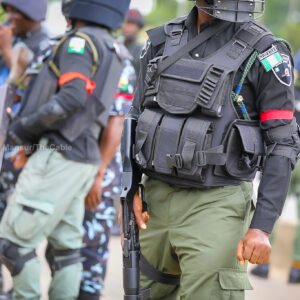
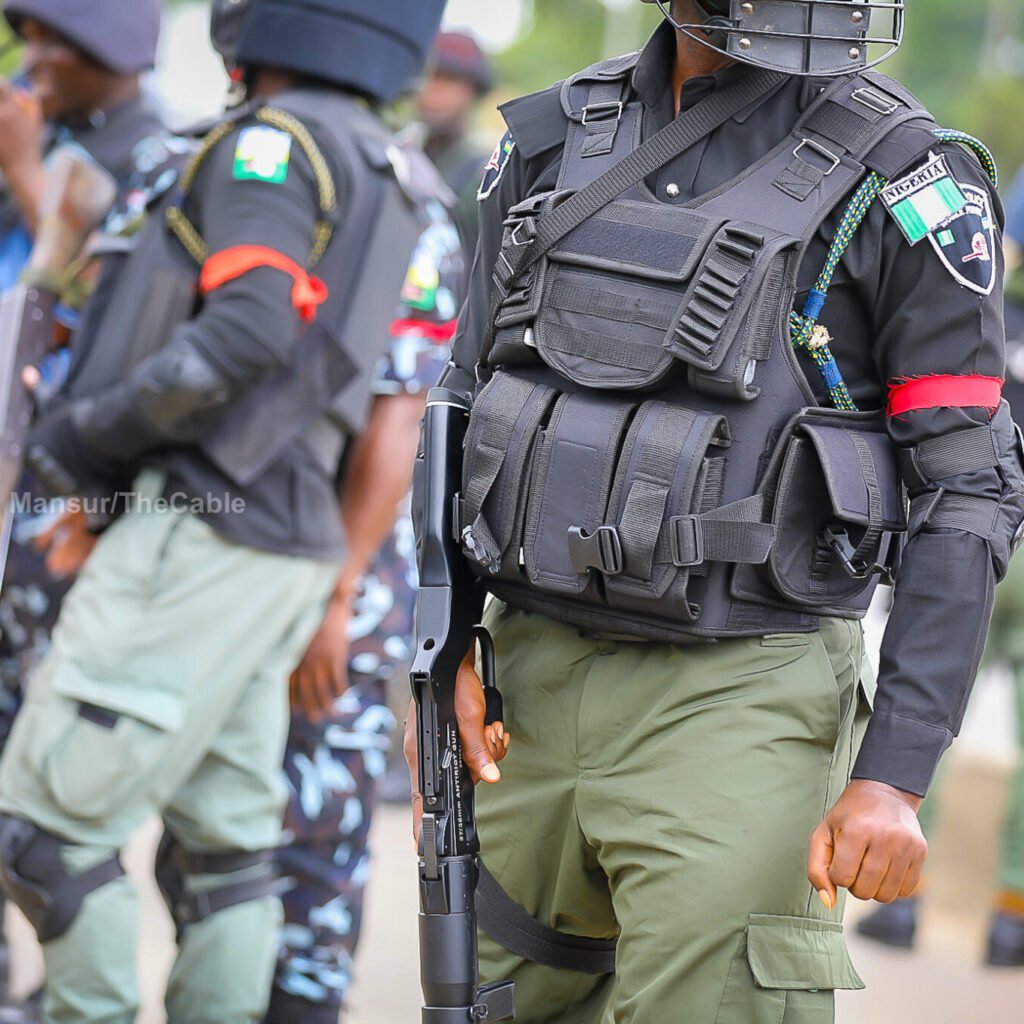
FCT Commissioner of Police Ahmed Sanusi inspects personnel of the newly launched Violent Crime Response Unit during its inauguration in Abuja.

Police arrest son over hacking his mother to death with a machete in Ondo

A man, Samuel Akoade, has been arrested by the Ondo State Police Command for allegedly hacking his mother, Olufunke Akoade, to death in Ore, Odigbo Local Government Area of the state.   The incident occurred around 5pm on Sunday, August 16, 2026, in the Powerline area of Ore, according to a report by PUNCH. The police said the deceased was found at her residence in a pool of blood after sustaining deep machete injuries. A machete suspected to have been used in the attack was recovered at the scene. The state Police Public Relations Officer, Abayomi Jimoh, confirmed the arrest on Monday, saying the suspect initially fled before police operatives from the Ore Division apprehended him. “The suspected assailant, initially identified simply as Samuel, was reported to have fled the scene before the arrival of the police. However, following sustained efforts by the operatives, Samuel Akoade was subsequently arrested and taken into police custody,” Jimoh said. The victim’s remains have been deposited at a mortuary, while the suspect remains in police custody. The case has been transferred to the State Criminal Investigation Department in Akure for further investigation. The Commissioner of Police, Felix Ohagwu, directed that the circumstances surrounding the killing be thoroughly investigated and that anyone found culpable be brought to justice.

Must Read

a patient during a cholera response as the European Union provides emergency funding to Nigeria and three African countries.

Nigeria gets €1.5m as EU releases €2.3m to tackle cholera outbreaks in Africa

The European Commission has allocated €2.3 million in emergency humanitarian funding to Nigeria, Cameroon, the Central African Republic and Chad to support efforts to contain ongoing cholera outbreaks.   The funding, announced on Monday, is aimed at strengthening outbreak response, improving access to safe water and sanitation, and supporting affected communities. According to the World Health Organization (WHO), more than 61,000 cholera cases were reported across the African Region in the first five months of 2026. Nigeria gets €1.5m Nigeria will receive the largest share of the funding, with €1.5 million earmarked for the country’s cholera response. The money will be used to increase the number of intervention teams, provide essential supplies including cholera kits, and strengthen water, sanitation and hygiene measures. The EU said the support will also cover the treatment of public water points and household water, while helping intensify epidemiological surveillance in hard-to-reach areas. It will further support case management, risk communication and community sensitisation. The development comes as several Nigerian states continue to respond to rising cholera cases. In Plateau State, authorities recently intensified containment measures after reporting 537 cases and 17 deaths. Other countries receive funding Cameroon will receive €100,000 to support outbreak containment and case management, including additional healthcare personnel, medicines, cholera treatment units and oral rehydration points in affected communities. The Central African Republic will receive €500,000 to scale up case management and vaccination, alongside water, sanitation and hygiene interventions. The funding will also strengthen surveillance, community engagement and safe burials. Chad will receive €200,000 to help break the chain of cholera transmission through improved access to water, sanitation and hygiene, as well as community support for surveillance and case management. The EU Commissioner for Preparedness and Crisis Management, Hadja Lahbib, said cholera remains a preventable and treatable disease but continues to threaten communities without access to safe water and healthcare. The funding, she said, would enable humanitarian partners to respond quickly, contain outbreaks and protect vulnerable communities. Cholera is caused by Vibrio cholerae bacteria and is commonly transmitted through contaminated food or water. Severe infections can cause rapid dehydration and shock.
Read more
a patient during a cholera response as the European Union provides emergency funding to Nigeria and three African countries.

Nigeria gets €1.5m as EU releases €2.3m to tackle cholera outbreaks in Africa

The European Commission has allocated €2.3 million in emergency humanitarian funding to Nigeria, Cameroon, the Central African Republic and Chad to support efforts to contain ongoing cholera outbreaks.   The funding, announced on Monday, is aimed at strengthening outbreak response, improving access to safe water and sanitation, and supporting affected communities. According to the World Health Organization (WHO), more than 61,000 cholera cases were reported across the African Region in the first five months of 2026. Nigeria gets €1.5m Nigeria will receive the largest share of the funding, with €1.5 million earmarked for the country’s cholera response. The money will be used to increase the number of intervention teams, provide essential supplies including cholera kits, and strengthen water, sanitation and hygiene measures. The EU said the support will also cover the treatment of public water points and household water, while helping intensify epidemiological surveillance in hard-to-reach areas. It will further support case management, risk communication and community sensitisation. The development comes as several Nigerian states continue to respond to rising cholera cases. In Plateau State, authorities recently intensified containment measures after reporting 537 cases and 17 deaths. Other countries receive funding Cameroon will receive €100,000 to support outbreak containment and case management, including additional healthcare personnel, medicines, cholera treatment units and oral rehydration points in affected communities. The Central African Republic will receive €500,000 to scale up case management and vaccination, alongside water, sanitation and hygiene interventions. The funding will also strengthen surveillance, community engagement and safe burials. Chad will receive €200,000 to help break the chain of cholera transmission through improved access to water, sanitation and hygiene, as well as community support for surveillance and case management. The EU Commissioner for Preparedness and Crisis Management, Hadja Lahbib, said cholera remains a preventable and treatable disease but continues to threaten communities without access to safe water and healthcare. The funding, she said, would enable humanitarian partners to respond quickly, contain outbreaks and protect vulnerable communities. Cholera is caused by Vibrio cholerae bacteria and is commonly transmitted through contaminated food or water. Severe infections can cause rapid dehydration and shock.
ASUU members at Kaduna State University threaten indefinite strike over lecturers’ welfare and non-implementation of the 2025 agreement.

ASUU gives KASU two weeks to act as 200 lecturers quit

More than 200 professors and other academic staff have reportedly resigned from Kaduna State University over poor working conditions and the failure to implement the 2025 Federal Government-ASUU Agreement.   The Academic Staff Union of Universities, KASU chapter, issued a two-week ultimatum to the university management and other relevant authorities to begin full implementation and domestication of the agreement. According to the ASUU-KASU chairman, Abubakar Abdullahi, the agreement took effect in January 2026 but had yet to be implemented at the institution. Abdullahi disclosed this on Monday at a press conference at the union’s secretariat in Kaduna, according to PUNCH Newspapers, the originating news source. He said the union had repeatedly written to the university management, Governing Council, Visitor and Kaduna State Government, urging them to implement the agreement in accordance with the law establishing the university. The union chairman said KASU had fallen behind federal and several state universities, many of which had either implemented the agreement or announced timelines for implementation, including the payment of outstanding arrears. He warned that continued delays could lead to the accumulation of salary arrears dating back to January 2026. ASUU-KASU attributed the departure of experienced academic staff, including professors and lecturers, to poor conditions of service, warning that replacing the lost personnel could take years. The union said its Congress, at a meeting on August 12, resolved to declare an industrial dispute and embark on a “total, comprehensive and indefinite strike”, in line with a resolution reached by ASUU’s National Executive Council after its meeting at the University of Abuja on August 8 and 9. The two-week ultimatum is intended to give the authorities time to address the issues before industrial action is commenced. Among the other unresolved issues raised by the union are university autonomy, excessive workload, promotion arrears, death benefits, group life insurance, the 25 and 35 per cent wage awards, and pension remittances. ASUU-KASU urged the university management and other relevant authorities to urgently resolve the outstanding issues to prevent industrial action and maintain stability at the institution. The union also appealed to parents, stakeholders and other Nigerians to intervene to help avert the threatened strike.

Editor's Pick

Trending News

Newsletter

Enter your email address and receive notifications of news by email.

You have been successfully Subscribed! Ops! Something went wrong, please try again.

© 2026 GongNews. All Rights Reserved.