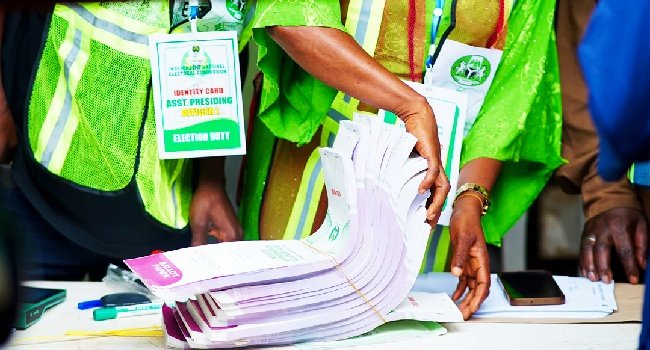
African Democratic Congress (ADC) chieftain Kenneth Okonkwo has criticised the Independent National Electoral Commission (INEC) over its handling of the August 15 Osun State governorship election, saying the electoral umpire’s performance was “not to be applauded”.
Speaking on Channels Television’s The Morning Brief on Monday, Okonkwo questioned why the uploading of polling-unit results to the INEC Result Viewing (IReV) portal was suspended around 8pm on election day.
“I am not congratulating INEC whatsoever for what happened in Osun State,” Okonkwo said, arguing that the commission should explain why the results upload was halted.
He said the development created apprehension among voters and opposition parties, adding that people had to go to collation centres to follow the process.
Okonkwo nevertheless praised Osun voters for what he described as their resilience during the election and urged opposition parties to prepare for the 2027 general election.
“The performance of INEC is not to be applauded. It is to be questioned,” he said.
The ADC chieftain also described his party’s performance as commendable despite its candidate, Najeem Salaam, finishing third in the election.
According to the figures reported by Channels Television, incumbent Governor Ademola Adeleke of the Accord Party won with 511,067 votes, ahead of APC candidate Bola Oyebamiji, who polled 444,815 votes. Salaam received 17,180 votes.
The election marked another term for Adeleke, who was first elected governor of Osun State in 2022. Contemporary reporting also confirms that Adeleke contested the 2026 election as the Accord Party candidate, while Oyebamiji represented the APC.
Okonkwo said the ADC had contested without the advantages available to the governing party or the federal government, but maintained that the election demonstrated the strength of opposition politics.
He further congratulated Osun residents for what he called a decisive outcome and said the result could offer lessons for the 2027 elections.
However, his comments about INEC focused on the transparency of the results transmission process, particularly the temporary halt in uploading results to IReV.