
A deadly flood and mudslide struck near the Nepal-Tibet border on Wednesday, leaving at least 19 people dead and hundreds of tourists unaccounted for.
According to PUNCH, citing AFP, Nepalese authorities said 384 tourists, including 291 foreigners, remained out of contact more than eight hours after the disaster. Americans, Indians, Australians, Malaysians and Britons were among those reported missing.
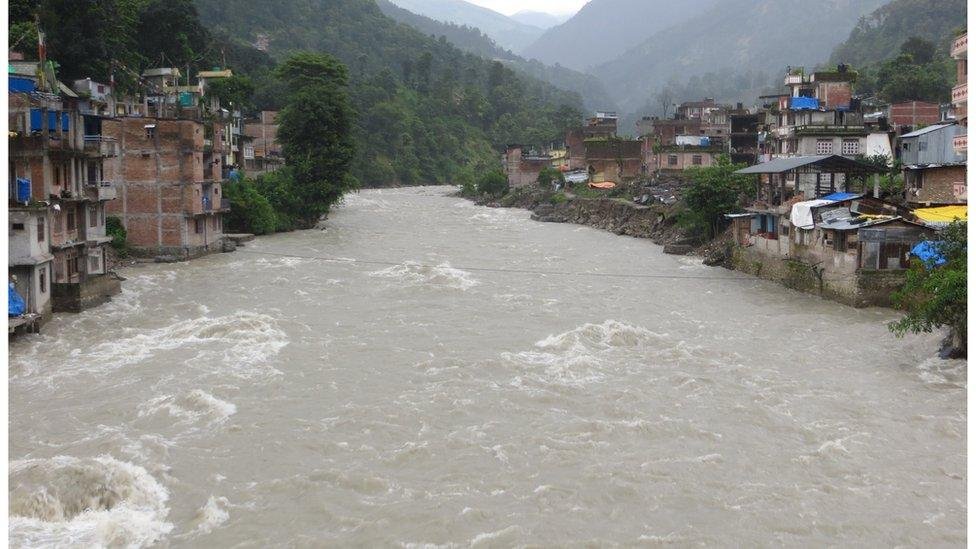
The disaster occurred after a torrent of mud and debris surged from a river between Nepal and China, sweeping away homes and damaging infrastructure.
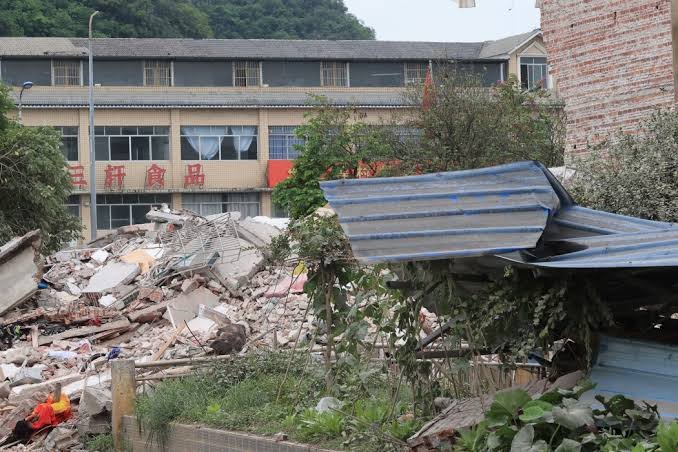
Chinese state media reported major casualties from a mudslide near Gyirong Port on the Tibetan side of the border. Chinese President Xi Jinping ordered an all-out rescue operation, with authorities urged to search for missing people and minimise casualties.
Nepalese police said several communities were affected, while images showed floodwaters carrying debris through residential areas. A local resident, Raju Bhadel, said three members of his family were rescued after their house was swept away, but another relative remained missing.
The Nepal Army deployed helicopters and disaster-response personnel to assist with rescue operations. Several highways were also closed because of the flooding and landslide risk.
The Nepal Electricity Authority said about 430 megawatts of electricity production capacity, including hydropower and solar facilities, was damaged. The damage to production, transmission and distribution infrastructure disrupted electricity supplies.
A preliminary assessment by the International Centre for Integrated Mountain Development suggested that a rock-ice avalanche in Nepal may have blocked the Lhende River, triggering the cascading flood.
Authorities also warned of the possibility of another flood because the blockage remained upstream.
The disaster comes during South Asia’s monsoon season, when heavy rainfall frequently causes deadly floods and landslides. Scientists have warned that climate change is increasing the frequency and intensity of extreme weather events in the region.