
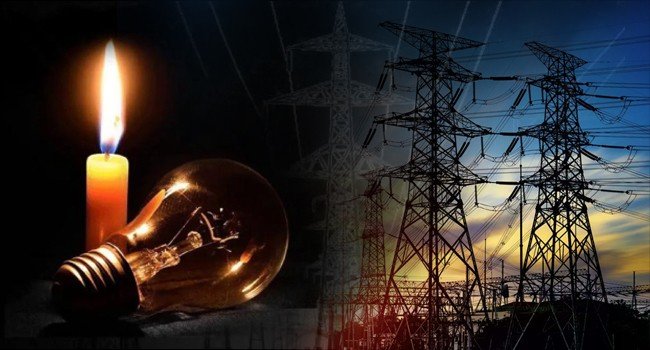
Electricity distribution companies (DisCos) have apologised to Nigerians over persistent power outages across the country, acknowledging the hardship caused by weeks of inadequate electricity supply.
The apology comes amid growing frustration among households and businesses struggling with prolonged blackouts, rising generator costs and the increasing difficulty of accessing alternative power sources.
The Managing Director and Chief Executive Officer of the Association of Nigerian Electricity Distributors (ANED), Sunday Oduntan, tendered the apology on Monday during an appearance on Channels Television’s Sunrise Daily.
“I’d like to first of all start by apologising to Nigerians. Apology is needed; it is essential because Nigerians have been taken through this problem over the past few weeks,” Oduntan said.
He also expressed concern over what he described as a return to the blame game among operators in the electricity sector, warning that the practice could further complicate efforts to address the crisis.
According to him, similar disagreements between electricity distribution companies, transmission operators, generation companies and gas suppliers characterised the sector between 2016 and 2019.
Oduntan recalled how DisCos blamed the Transmission Company of Nigeria (TCN), TCN blamed generation companies (GenCos), while GenCos pointed to gas suppliers and payment challenges.
He urged stakeholders to abandon the blame game and concentrate on resolving the underlying problems affecting electricity supply.
Oduntan Questions Conflicting Explanations
The ANED chief also questioned conflicting explanations from the Nigerian Independent System Operator (NISO) and the Nigerian National Petroleum Company Limited (NNPC) regarding the causes of the electricity shortages.
He said NISO had attributed the supply challenges partly to low water levels and inadequate gas supply, while the NNPC subsequently issued a statement indicating that gas was available.
However, Oduntan insisted that the NNPC needed to clarify whether outstanding payments were affecting gas supplies to electricity generation companies.
He questioned whether gas supplied to power plants had been fully paid for and called for transparency over the situation.
The ANED chief urged the Minister of Power to convene relevant stakeholders to establish the actual causes of the shortages and coordinate efforts to restore adequate electricity supply.
He maintained that stronger leadership and cooperation were necessary to end the disagreements among gas suppliers, NNPC, TCN and NISO.
Nigerians Struggle With Prolonged Blackouts
The apology follows weeks of inadequate electricity supply, leaving households and businesses struggling to cope with prolonged outages.
The situation has also renewed concerns about the effectiveness of the Band A, B and C electricity tariff classification, which links customers’ payments to the hours of electricity they are expected to receive.
Even customers on Band A, who are entitled to a minimum of 20 hours of electricity daily, have continued to complain about inadequate supply.
The outages have become particularly difficult for residents amid intense dry-season heat and the reported impact of El Niño conditions.
Veteran actress Kate Henshaw recently questioned why Nigerians continued to struggle with reliable electricity, lamenting that households had effectively become mini-factories because they had to generate their own power.
Content creator Cute Abiola also appealed to President Bola Tinubu in a video, expressing frustration over the unbearable heat and the difficulties associated with accessing alternative electricity.
Meanwhile, rising petrol and diesel prices have made generator use increasingly expensive, while the cost of installing solar panels, batteries and inverters remains beyond the reach of many households and small businesses.
Tinubu’s Electricity Promise Under Renewed Scrutiny
The worsening electricity crisis has also brought renewed attention to President Bola Tinubu’s campaign promises ahead of the 2023 presidential election.
During his campaign, Tinubu pledged to improve electricity supply and end estimated billing.
Speaking to members of the Organised Private Sector in Lagos, he promised that Nigerians would have access to electricity and would no longer have to pay estimated bills.
He also challenged Nigerians to hold him accountable if he failed to fulfil the promise, saying voters should not support his re-election bid without adequate reasons for any failure to deliver.
The latest power shortages have intensified public concerns over electricity supply, service delivery and the ability of the country’s power sector to meet consumers’ expectations.