

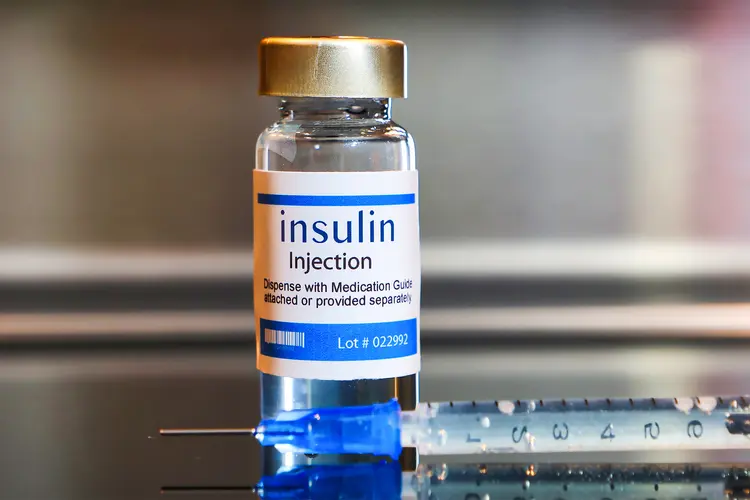
Endocrinologists have urged the Federal Government to subsidise insulin and introduce a dedicated policy to improve access to the life-saving medication for Nigerians living with Type 1 diabetes.
The call was made on Wednesday during the sixth Annual Ogun State Youth Diabetes Camp organised by the Talabi Diabetes Centre in Abeokuta.
According to the doctors, the sharp rise in insulin prices is placing a heavy financial burden on young people who depend on the medication to stay alive.
The Camp Coordinator of the Talabi Diabetes Centre, Dr Olubiyi Adeshina, said a vial of insulin that previously cost about ₦5,000 now sells for approximately ₦25,000.
He explained that some patients require about two vials each month, meaning insulin alone could cost about ₦50,000 monthly, excluding expenses for blood glucose monitoring and other aspects of diabetes care.
Adeshina warned that people with Type 1 diabetes cannot safely stop taking insulin because prolonged insulin deficiency can cause dangerously high blood sugar, coma and death.
“All the days of their lives, at least three times a day, they will need to inject that insulin or else the blood sugar goes excessively high,” he said.
The doctor explained that Type 1 diabetes occurs when the immune system destroys the insulin-producing cells of the pancreas, leaving affected people dependent on insulin for survival.
He identified excessive urination, excessive thirst, weight loss, blurred vision and wounds that fail to heal among the symptoms associated with diabetes.
The Acting Director of the centre, Dr Ayotunde Ale, also appealed to President Bola Tinubu to establish a dedicated policy for people living with Type 1 diabetes, particularly children and young adults.
Ale said the monthly cost of insulin had risen from about ₦5,000 to approximately ₦25,000 amid inflation and rising living costs.
She called on the government to subsidise insulin and urged the National Assembly to address the challenges confronting people living with the condition.
Beyond the cost of treatment, Ale highlighted stigma and misconceptions as additional challenges facing young people with Type 1 diabetes.
She urged parents to seek medical attention and screening for children showing symptoms rather than attributing unexplained deaths to traditional beliefs.
The centre also called for greater involvement by non-governmental organisations and other stakeholders to support Nigerians living with diabetes.
Participants at the camp received training on safe insulin administration, blood sugar monitoring, appropriate nutrition and physical exercise.