
The Federal Government has issued a new tax order reducing the interest rate charged on late payment of taxes, with the changes taking effect from October 1, 2026.
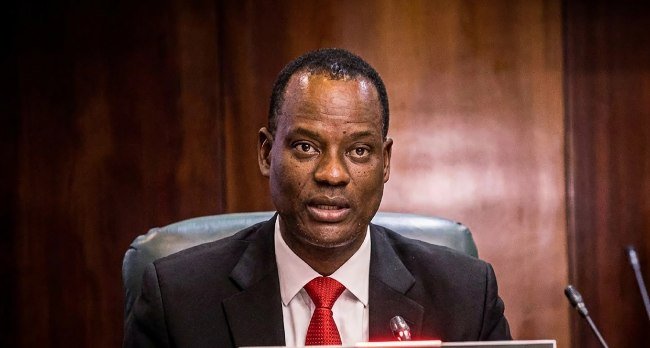
The Nigeria Tax Administration Order 2026, signed by the Minister of Finance and Coordinating Minister of the Economy, Taiwo Oyedele, sets out the interest rates applicable when taxes are not paid on time under Section 65 of the Nigeria Tax Administration Act, 2025.
According to Channels Television, the new order links the cost of late tax payments more closely to prevailing market rates and is intended to provide taxpayers with greater certainty over the financial consequences of delayed payments.
New interest rates for late tax payments
For taxes payable in naira, the interest rate will be based on the Central Bank of Nigeria’s Monetary Policy Rate plus one percentage point.
This represents a reduction from the previous five-percentage-point spread. However, the applicable rate will not fall below the yield on 364-day Treasury Bills.
For taxes payable in foreign currency, interest will be charged at the Secured Overnight Financing Rate (SOFR) plus six percentage points. If SOFR is discontinued, its officially recognised successor rate will be used.
The Nigeria Revenue Service has been directed to publish the applicable rates on its website by the third business day of every month.
10% late-payment penalty remains
The new order does not alter the 10 per cent penalty for late payment provided under Section 65 of the Nigeria Tax Administration Act.
It also replaces the 2017 notice on interest on unpaid taxes and other earlier notices covering the issue.
Tax authorities may still waive penalties or interest where good cause is established, in line with Section 66 of the Act.
How the transition will work
The new rates will apply to interest arising from October 1, 2026, including interest on tax liabilities that became due before that date.
However, interest that accrued before October 1 will remain subject to the rules that were applicable when it arose.
Oyedele urged taxpayers to file their returns and pay their taxes on time, while those with outstanding liabilities were advised to settle them promptly or contact the relevant tax authority.
The minister said the new system is designed to ensure that delaying tax payments does not become a cheaper source of credit than borrowing at market rates.