
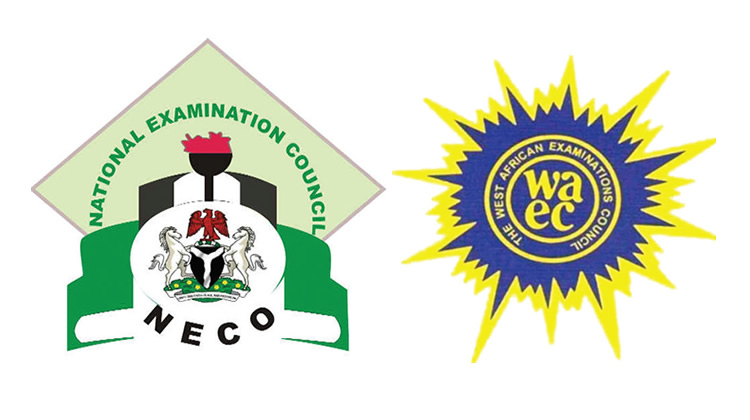
The Federal Government has suspended its proposed increase in registration fees for the 2027 West African Senior School Certificate Examination (WASSCE) and the National Examinations Council (NECO) Senior School Certificate Examination, following widespread public criticism.
According to a statement issued on Monday by the Federal Ministry of Education and reported by Punch Newspapers, the letter dated June 18, 2026, which communicated the proposed fee adjustment, has been withdrawn to allow for wider consultations with key stakeholders before any final decision is taken.
The ministry said the proposed increase was prompted by rising costs of conducting national examinations, including logistics, security, printing of examination materials, technology deployment and quality assurance. It noted that examination registration fees have remained largely unchanged for several years despite increasing operational expenses.
The statement, signed by the ministry’s Director of Press and Public Relations, Boriowo Folasade, said the Minister of Education, Dr Maruf Tunji Alausa, directed that the proposal be put on hold in line with the Federal Government’s commitment to transparent, inclusive and evidence-based policymaking.
The ministry added that consultations would involve examination bodies, state ministries of education, school proprietors, parents’ associations, organised labour and other education stakeholders before any decision is reached.
As a result, the proposed fee review will not take effect until the consultation process is completed.
The government had earlier approved an increase in the examination registration fee from N27,500 to N50,000 for WAEC and NECO candidates beginning in 2027, representing an 82 per cent increase.
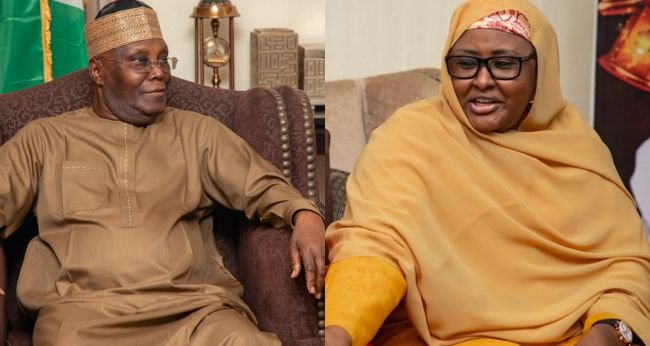
The proposal drew criticism from several groups, including former Vice President Atiku Abubakar and the National Association of Nigerian Students, who argued that the increase would place an additional financial burden on families.
The Federal Ministry of Education said students’ welfare, equitable access to quality education and responsible policymaking remain central to the government’s education agenda and pledged to keep the public informed throughout the consultation process.