
The Federal Government’s proposed 30-day petrol discount has triggered criticism from opposition figures and political groups, who argue that the intervention offers inadequate relief to Nigerians struggling with rising fuel prices and living costs.
Former Vice-President Atiku Abubakar, the Obidient Movement, the Nigeria Democratic Congress (NDC) and the presidential campaign organisation of Oyo State Governor Seyi Makinde have questioned the timing, sustainability and potential impact of the initiative.
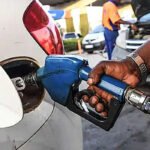
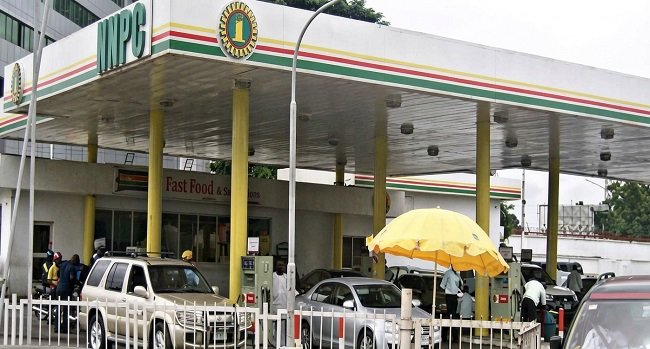
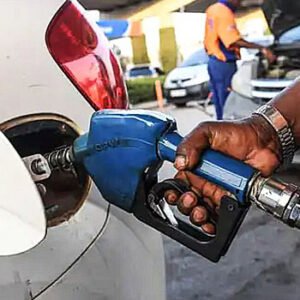
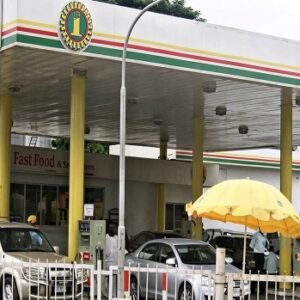
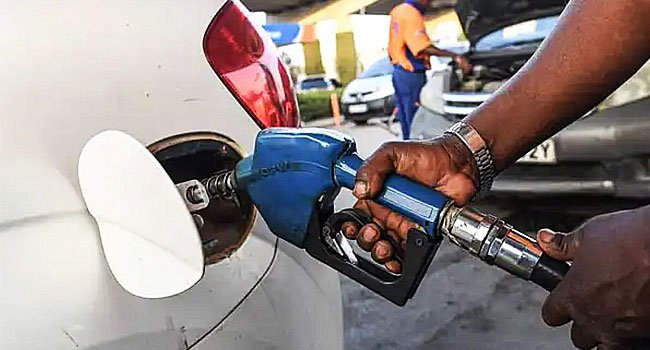
The criticism followed Thursday’s announcement that the Nigerian National Petroleum Company Limited (NNPC) would temporarily forgo its retail profit margin to sell petrol at a discounted price, with priority given to public transport operators.
The Federal Government said the measure was intended to cushion households against global crude oil price fluctuations without reinstating the petrol subsidy removed in May 2023.
Atiku describes petrol discount as publicity stunt
Atiku rejected the intervention, describing it as a politically motivated measure that would provide only temporary relief while leaving Nigerians exposed to persistently high petrol prices.
In a statement issued by the Director of Strategic Communication of the African Democratic Congress Presidential Campaign Council, Phrank Shaibu, the former vice-president questioned what would happen when the 30-day period expired.
He argued that Nigerians would continue to face high transport fares and rising food prices after the discount ended.
Atiku also questioned why the discount would be limited to NNPC filling stations and whether commercial transport operators would pass the savings on to passengers.
He maintained that the government should adopt a sustainable approach to reducing petrol prices, reiterating his proposal for capped and budgeted production support for locally refined petroleum products.
According to him, any intervention should include safeguards to ensure that consumers benefit directly.
Obidient Movement questions timing
The Obidient Movement also criticised the initiative, questioning why the government had waited more than three years after removing the petrol subsidy before introducing the temporary discount.
In a statement signed by its Director of Media and Communications, Onyeka Dike, the movement suggested that the approaching 2027 general elections could have influenced the timing of the announcement.
Dike argued that Nigerians had endured rising petrol prices, taxes, tuition fees and food costs since the subsidy was removed.
The movement urged the government to prioritise lasting access to affordable fuel, food and education rather than relying on temporary interventions.
It maintained that a 30-day discount would not erase the economic difficulties Nigerians had experienced over the preceding three years.
NDC, Makinde’s camp fault proposed relief
The Nigeria Democratic Congress described the intervention as tokenism, arguing that it would not adequately address the economic consequences of subsidy removal.
The party’s National Publicity Secretary, Osa Director, questioned whether NNPC filling stations could serve enough Nigerians to make the discount effective nationwide.
He also warned that concentrating demand at the company’s outlets could lead to congestion and other difficulties.
The party called for broader economic measures to address the effects of high petrol prices on businesses, employment and household spending.
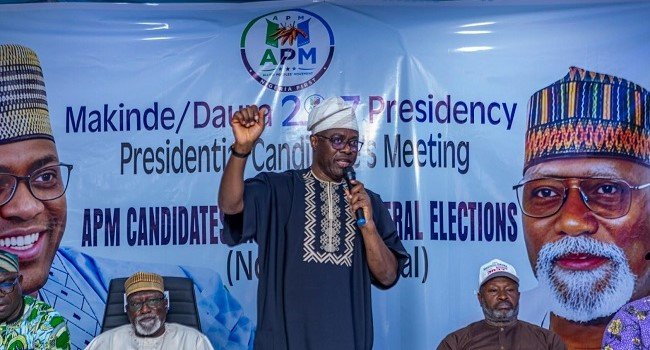
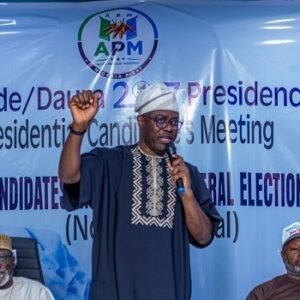
Similarly, the Allied Peoples Movement Presidential Campaign Organisation associated with Makinde criticised the proposed discount, describing it as inadequate.
In a statement issued by its Director of Strategic Communications, Richard Ihediwa, the organisation cited a proposed N60-per-litre reduction and argued that the amount was insignificant compared with previous increases in petrol prices.
It also questioned the decision to restrict the intervention to NNPC-owned retail outlets for just one month.
The organisation argued that Nigerians needed a substantial and sustainable reduction in petrol prices rather than a temporary measure introduced ahead of the 2027 elections.
Presidency insists discount is not subsidy
The Presidency defended the initiative, insisting that it would not amount to a return to the petrol subsidy regime.
In a statement signed by the Special Adviser to the President on Information and Strategy, Bayo Onanuga, the government said NNPC Retail would implement the arrangement within 30 days.
Under the plan, NNPC would sell petrol at its landing cost by temporarily foregoing its retail profit margin.
The Presidency explained that if the company’s landing cost was N1,300 per litre, it would sell the product at that price rather than add a retail profit margin.
The government also disclosed that it was negotiating a ceiling of N1,350 per litre on petrol’s ex-gantry or landing cost to reduce sharp price fluctuations.
Under the proposed arrangement, refiners and importers would bear costs above the ceiling and recover the shortfall later when crude oil prices or exchange rates improved.
Finance Minister Taiwo Oyedele said the arrangement was intended to smooth price fluctuations rather than suppress market prices.
The government said the proposed ceiling would be reviewed monthly, with figures published to promote transparency.
FG outlines additional measures
Beyond the petrol discount, the Federal Government announced several measures intended to ease the cost of living and reduce transport and logistics expenses.
These include increased funding for cash transfers to vulnerable households, subsidised credit for small businesses and consumers, and expanded deployment of compressed natural gas (CNG).
The government said CNG was between 60 and 70 per cent cheaper than petrol and expected transport operators to pass the savings on to passengers through lower fares.
It also said it was working with state governments and security agencies to address multiple taxation and unauthorised road levies that increase transport costs.
Other proposed measures include additional tax relief for low-income earners under the 2027 Finance Bill and the possible introduction of an excess-profit tax for operators found to have taken undue advantage of consumers.
According to the Presidency, proceeds from any such tax would be used to support fuel prices through transport assistance or vouchers for urban minimum-wage earners.
The government also said it would sell crude oil forward to domestic refineries to help shield petrol prices from global market volatility.
Energy experts divided over intervention
Energy experts expressed mixed views on the proposed measures, with some welcoming the potential relief while others warned about the financial risks and the need for transparency.
Jeremiah Olatide, Chief Executive Officer of PetroleumPrice.ng, described the discount as a positive development that could help stabilise petrol prices.
However, he argued that the proposed N1,350-per-litre landing-cost ceiling was too high and urged the government to consider reducing it to N1,000.
Olatide said the intervention could benefit consumers but called for a downward review of the proposed benchmark.
Professor Wumi Iledare, an emeritus professor of petroleum economics at the LAU Energy Institute and chairman of the NOGEP Forum, said the intervention could be economically justified if it remained targeted and temporary.
He supported prioritising public transport operators, provided the savings were passed on to passengers.
However, Iledare warned that the arrangement could become another form of subsidy if NNPC sold petrol below its economic cost and the government later reimbursed the company or assumed its losses.
He called on the government to disclose the discount per litre, the volume of petrol covered, the source of funding and the maximum financial exposure.
He also urged the authorities to establish clear mechanisms for ensuring that transport operators transferred the savings to passengers.
Iledare said the intervention should be transparent, independently auditable, fiscally limited and subject to a clear exit plan.
He further warned that giving NNPC a permanent pricing advantage over other marketers could undermine competition in the downstream petroleum market.
Oyedele says discount amount is yet to be fixed
Oyedele clarified that the exact discount per litre had not been finalised, explaining that NNPC would calculate the amount based on its operating costs and margins.
He said the reduction could be higher or lower than N60 per litre and that the initiative would be reviewed after 30 days.
The minister also attributed the rise in petrol prices from about N830 to an average of N1,400 per litre to the conflict in the Middle East.
He warned that restoring the blanket petrol subsidy could cost more than N20tn annually.
Oyedele further disclosed that subsidy removal had released N15.8tn to the Federation Account between June 2023 and December 2025. He added that the government had waived more than N3.3tn in petrol taxes and duties between January and September 2026.
Meanwhile, NNPC Group Chief Executive Officer Bayo Ojulari confirmed that the company had commenced discounting petrol prices following approvals obtained around the October 1 Independence Day celebration.
He said NNPC was prepared to prioritise economic stability and consumer welfare over immediate profitability.
The Minister of State for Petroleum Resources (Oil), Heineken Lokpobiri, defended subsidy removal, arguing that deregulation had encouraged investment in domestic refining, including the Dangote Refinery.
He also maintained that restoring the petrol subsidy would conflict with the Petroleum Industry Act, which provides for petroleum product pricing based on market forces.
The Presidency said the broader objective of its interventions was to ensure that the benefits of economic reforms reached Nigerians more quickly, while avoiding the financial pressures associated with a blanket petrol subsidy.
The effectiveness of the 30-day discount will depend on its implementation, the actual reduction at the pump and whether transport operators pass the savings on to commuters.