
Counsel to the detained leader of the proscribed Indigenous People of Biafra (IPOB), Aloy Ejimakor, has said the low enlistment of South-East youths into the Nigerian Army is driven by deep distrust of the military rather than a lack of courage.
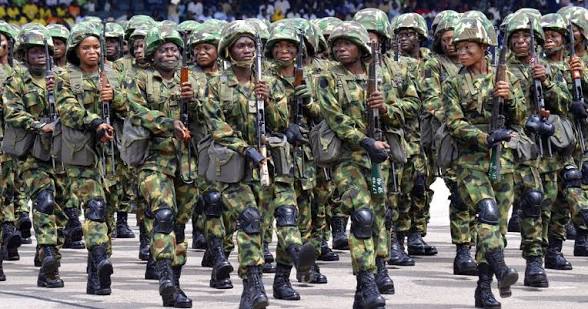
According to Punch, Ejimakor made the remarks on Thursday in a post on X while reacting to comments by the Chief of Army Staff, Lieutenant General Waidi Shaibu, who expressed concern over the consistently low turnout of South-East recruits during a passing-out parade at the Nigerian Army Recruits Training Depot in Amasiri-Edda, Ebonyi State.
Ejimakor argued that many Igbo youths view the military as an institution where they face marginalisation, citing what he described as an ethnically imbalanced leadership structure within Nigeria’s security services.
He also claimed that the military had repeatedly been deployed against Ndigbo during periods of crisis, pointing to historical events, including the 1967 anti-Igbo killings, and more recent incidents in Nkpor, Aba prayer ground, Obigbo and Port Harcourt involving people suspected of IPOB links.
According to him, these experiences have created lasting mistrust among many youths in the South-East.
Ejimakor further argued that the enlistment of former Boko Haram fighters who completed the military’s deradicalisation programme has discouraged many Igbo youths from joining the armed forces.
He said serving under a command they distrust and alongside former insurgents was a compromise many were unwilling to make, adding that the low enlistment figures represent a silent protest rather than a lack of patriotism.
The Army chief’s appeal is one of several made by military authorities in recent months over poor recruitment figures from the South-East.
Military officials have consistently stated that states in the region record some of the lowest numbers of applicants during recruitment exercises, forcing unfilled slots to be reassigned to other parts of the country.
The Nigerian Army maintains that its recruitment process is transparent and merit-based, attributing the trend partly to misinformation surrounding enlistment.