
The Nigerian Bar Association has criticised the Economic and Financial Crimes Commission over its decision to freeze the Osun State Government’s statutory allocation account, arguing that the anti-graft agency lacks the constitutional authority to impose a blanket restriction on a state’s finances without a valid court order.
According to The PUNCH, the EFCC directed First Bank to place a post-no-debit restriction on the account as part of an investigation into the alleged mismanagement of about ₦11 billion in Ecology Funds, Intervention Funds and Federal Account Allocation Committee allocations.
The commission said the investigation began in March 2026 and claimed it detected suspicious movements of funds from August 2, prompting the temporary restriction to prevent further transfers to what it described as suspicious corporate accounts.
The EFCC rejected claims that the move was politically motivated despite coming just days before the August 15 Osun governorship election. It insisted it had a statutory duty to protect public funds and investigate suspected financial crimes regardless of the political calendar.
NBA President Afam Osigwe (SAN) said the EFCC could only seek a court order against specific accounts suspected of being linked to fraud and had no power to freeze all state government accounts. He warned that such action could cripple governance and amount to an abuse of power.
Several Senior Advocates of Nigeria, including Adeyinka Olumide-Fusika, Isiaka Olagunju and Mike Ahamba, also questioned the legality of the restriction, maintaining that judicial authorisation is required before freezing accounts. However, Wolemi Esan (SAN) noted that under Section 7(6) of the Money Laundering (Prevention and Prohibition) Act, the EFCC may issue a temporary stop order lasting up to 72 hours before obtaining a court order for any longer restriction.
Professor Damilola Olawuyi (SAN) defended account freezing as a recognised anti-corruption tool but stressed that such powers must be exercised within the law and not for political purposes.
Civil society groups offered differing views. While some urged the Osun State Government to challenge the action in court, others said the EFCC would be justified if it possessed credible evidence of financial misconduct and acted within the law.
Opposition parties, including the African Democratic Congress, Labour Party, Social Democratic Party, Young Progressives Party and Nigeria Democratic Congress, condemned the action, alleging it could influence the forthcoming governorship election. The ruling All Progressives Congress backed the EFCC, saying the commission should be allowed to carry out lawful investigations without interference.
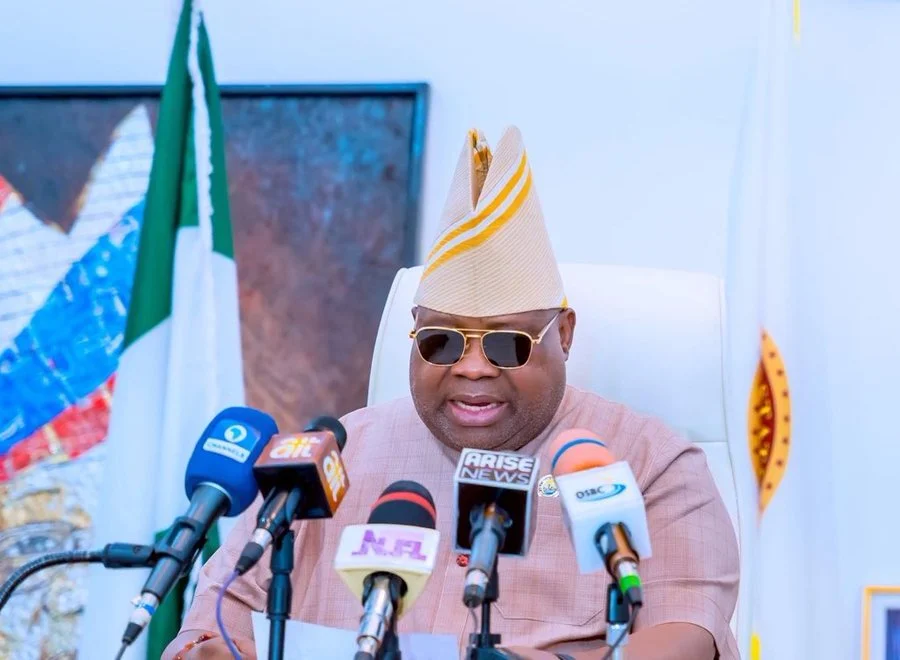
Osun State Attorney General Oluwole Jimi-Bada said Governor Ademola Adeleke had authorised legal action against the EFCC, insisting the commission could investigate government finances but could not freeze state accounts without a court order. The state government warned that the restriction could disrupt public services and governance.