
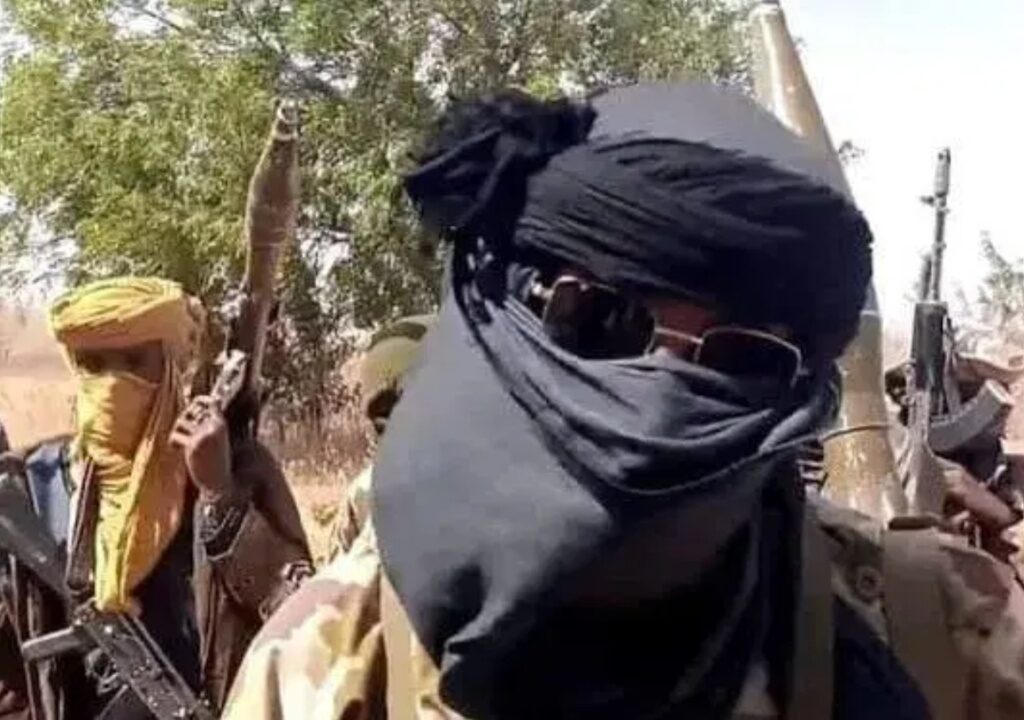
Nigeria recorded at least 98 criminal incidents, including 51 attacks and abductions, within a single week despite the Federal Government spending ₦57.78 billion on security-related projects and operations between January and April 2026.
According to a report by Punch Newspapers, data obtained from the Open Treasury Portal showed that security spending rose by 127.97 per cent compared to the ₦25.35 billion spent during the same period in 2025.
The expenditure covered defence equipment procurement, military and police infrastructure, security services, and other related projects. However, the spending represents only 1.24 per cent of the ₦4.66 trillion allocated to security in the 2026 budget.
Defence equipment procurement accounted for the largest share of the spending at ₦21.39 billion, while ₦14.16 billion was spent on security equipment. Other allocations included ₦5.84 billion for military barracks construction, ₦5.17 billion for police stations and barracks, and ₦3.26 billion for the rehabilitation of defence equipment.
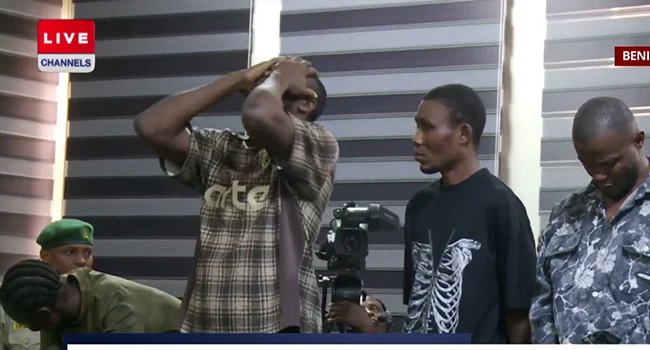
Despite the increased funding, a police security report obtained by The PUNCH revealed widespread insecurity across several states. The report recorded 37 homicide cases, 27 banditry attacks, 24 kidnappings, eight armed robbery incidents, and two terrorism-related attacks over the past seven days.
Among the incidents highlighted was the abduction of 39 residents in Zamfara State who reportedly entered the Fadama Forest to negotiate peace with a notorious bandit leader, Jimo Smally. In Katsina State, bandits attacked travellers along the Katsina-Kankara highway, with police rescuing nine of the 11 passengers involved.
Security analyst Lekan Jackson-Ojo described the situation as the most severe security crisis in Nigeria’s history, warning that insecurity continues to undermine economic growth and public confidence.
Another analyst, Chidi Omeje, argued that the military remains overstretched despite increased spending. He noted that Nigeria’s security challenges cannot be resolved through military action alone, citing poverty, corruption, poor governance, and porous borders as major contributing factors.
The report also revealed that no funds had been released for some key security programmes, including the military operations budget line tagged “Operation Lafiya Dole and Other Operations of the Armed Forces,” despite a ₦500 million allocation in the 2026 budget. Similarly, no expenditure was recorded for the kitting of Armed Forces personnel, which received a budget provision of ₦2.53 billion.
The latest figures have renewed concerns over the effectiveness of security spending, as violent attacks, kidnappings, and banditry continue to affect communities across the country.