
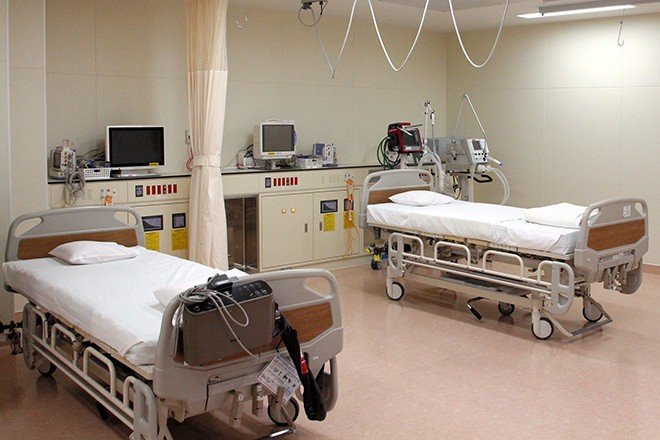
The quality of a nation’s healthcare system mirrors the commitment of its leaders to citizens’ wellbeing. In countries like Singapore, Japan, South Korea and Switzerland, robust funding and sound policies ensure efficient, world-class healthcare. Their leaders trust the systems they built and rarely travel abroad for treatment.
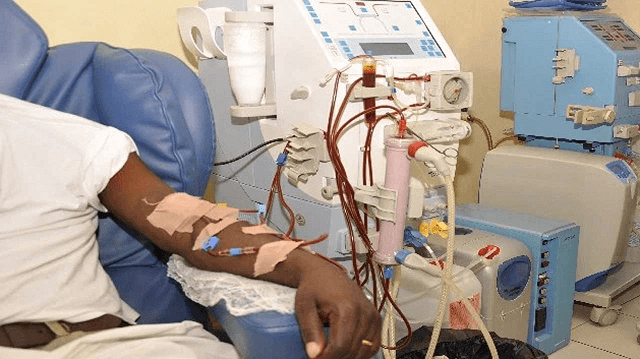
In stark contrast, Nigeria’s healthcare sector remains a picture of dysfunction, crippled by underfunding, corruption, fake drugs, obsolete equipment and weak regulation. It reflects a deep failure of leadership and policy vision.
In the 2025 federal budget, only N2.56 trillion, just 5.15% of total spending was allocated to health, far below the 15% target set by the Abuja Declaration. Though higher in naira terms, the amount represents a decline in real value when converted to dollars.
Since the late General Sani Abacha lamented in 1983 that Nigerian hospitals had become “mere consulting clinics”, little has changed. Even in 2017, Aisha Buhari publicly admitted the Villa Clinic lacked basic equipment, forcing her to seek private treatment.
Four decades later, the situation remains dire. Nigeria ranks 157th out of 191 countries in the World Health Organisation’s global healthcare performance index. Despite being Africa’s largest oil producer, the country continues to neglect its citizens’ health.
The problem is compounded by leadership hypocrisy. From the president to local government chairmen, those who approve healthcare budgets do not use the facilities themselves. This elite detachment leaves ordinary Nigerians at the mercy of a collapsing system.
Health experts warn that a productive economy requires a healthy population. Yet, successive governments have ignored this link, preferring to spend billions on medical tourism, estimated at $1.6 billion annually, rather than fixing local hospitals.
Even the private health sector, which should offer relief, is plagued by unprofessional conduct and exploitation. Many hospitals collude with Health Maintenance Organisations (HMOs) to deliver substandard care. Patients often face delays, poor diagnoses, and neglect.
One Lagos resident who underwent a routine prostate operation never returned home. Another, journalist Yusuph Olaniyonu, survived only after being flown to Egypt when Nigeria’s hospitals failed him. Such stories highlight the system’s inefficiency, corruption, and lack of compassion.
With only about 41,000 functional hospitals out of more than 55,000 nationwide, Nigeria’s health infrastructure is collapsing. The government must urgently reform funding, enforce standards, and rebuild trust to make healthcare accessible and reliable for all.
Until then, Nigeria’s healthcare crisis will remain a national tragedy and a stark reminder that leadership without empathy costs lives.














https://t.me/s/bEeFcASiNO_OfFiCIaLS
Okay, so Diuwincolourtrading is something I stumbled upon. Colour trading? Sounds interesting. I’d probably proceed with caution and do your research, but hey, maybe it’s your thing. Learn more: diuwincolourtrading
Tylekeo188bet, haven’t used it much but my buddy swears by it for soccer bets. He says the odds are usually pretty good. Worth checking if you’re into that type of thing. tylekeo188bet