
/ Jul 06, 2026
/ Jul 06, 2026

Super Typhoon Bavi leaves trail of damage across US Pacific Islands

Published on

By

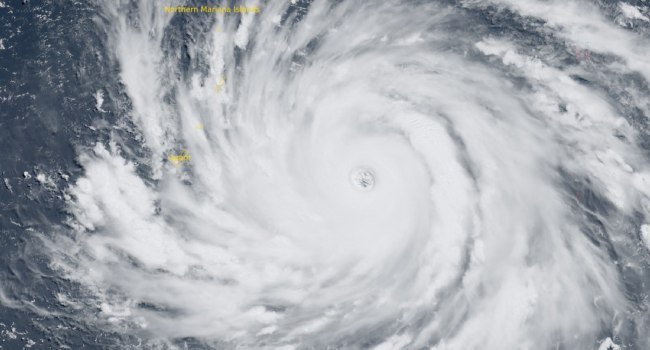
Super Typhoon Bavi has battered the United States Pacific territories of the Northern Mariana Islands and Guam, leaving reports of major damage on the island of Rota as powerful winds and heavy rain swept across the region.


According to AFP, as published by Channels Television, the National Weather Service (NWS) said the eye of the storm passed directly over Rota early on Monday, packing sustained winds of up to 180 mph (290 km/h), equivalent to a Category 5 hurricane.

Authorities on Rota, home to about 1,500 residents, reported significant destruction, although communication outages made it difficult to determine the full extent of the damage.

“We are hanging in there. We are experiencing heavy winds and flooding here. Some people are already reporting major damages,” Rota Municipal Operations Center public information officer Lou Rosario said, adding that some mobile phone services had failed after a communications tower collapsed.

Before the storm made landfall, the NWS warned residents to seek immediate shelter, saying the extreme winds should be treated like an approaching tornado. The agency also cautioned that a direct hit could leave much of Rota uninhabitable for weeks, with widespread tree damage and prolonged power outages.

Neighbouring islands including Tinian, northern Guam and southern Saipan experienced hurricane-force winds, while forecasters said conditions would gradually improve as the storm moved westward.

Authorities in Guam warned that between eight and 12 inches (20 to 30 centimetres) of rainfall could trigger flash flooding. Residents were advised to remain indoors as winds of 50 to 80 mph, with stronger gusts, continued through the afternoon.

Many residents had already endured severe weather earlier this year. Tinian resident Edwin Santa Theresa said electricity to his home had only been restored four days earlier after April’s Typhoon Sinlaku before being cut again by Bavi.

In Guam, hotels sheltered hundreds of residents seeking safety from the storm. Businesses also boarded up their premises ahead of landfall to minimise damage.

Meteorologists said warmer ocean temperatures and the return of El Niño could contribute to a more active tropical cyclone season across the Pacific.

The World Meteorological Organization recently confirmed that El Niño has developed in the tropical Pacific, raising concerns over increased storm activity in the coming months.


You May Like

Leave a Reply

Your email address will not be published. Required fields are marked *

Most Popular

Must Read

Super Typhoon Bavi brings destructive winds and heavy rain to Guam and the Northern Mariana Islands, causing flooding and widespread damage.

Super Typhoon Bavi leaves trail of damage across US Pacific Islands

Super Typhoon Bavi has battered the United States Pacific territories of the Northern Mariana Islands and Guam, leaving reports of major damage on the island of Rota as powerful winds and heavy rain swept across the region.   According to AFP, as published by Channels Television, the National Weather Service (NWS) said the eye of the storm passed directly over Rota early on Monday, packing sustained winds of up to 180 mph (290 km/h), equivalent to a Category 5 hurricane. Authorities on Rota, home to about 1,500 residents, reported significant destruction, although communication outages made it difficult to determine the full extent of the damage. “We are hanging in there. We are experiencing heavy winds and flooding here. Some people are already reporting major damages,” Rota Municipal Operations Center public information officer Lou Rosario said, adding that some mobile phone services had failed after a communications tower collapsed. Before the storm made landfall, the NWS warned residents to seek immediate shelter, saying the extreme winds should be treated like an approaching tornado. The agency also cautioned that a direct hit could leave much of Rota uninhabitable for weeks, with widespread tree damage and prolonged power outages. Neighbouring islands including Tinian, northern Guam and southern Saipan experienced hurricane-force winds, while forecasters said conditions would gradually improve as the storm moved westward. Authorities in Guam warned that between eight and 12 inches (20 to 30 centimetres) of rainfall could trigger flash flooding. Residents were advised to remain indoors as winds of 50 to 80 mph, with stronger gusts, continued through the afternoon. Many residents had already endured severe weather earlier this year. Tinian resident Edwin Santa Theresa said electricity to his home had only been restored four days earlier after April’s Typhoon Sinlaku before being cut again by Bavi. In Guam, hotels sheltered hundreds of residents seeking safety from the storm. Businesses also boarded up their premises ahead of landfall to minimise damage. Meteorologists said warmer ocean temperatures and the return of El Niño could contribute to a more active tropical cyclone season across the Pacific. The World Meteorological Organization recently confirmed that El Niño has developed in the tropical Pacific, raising concerns over increased storm activity in the coming months.

Read more

Editor's Pick

Trending News

Newsletter

Enter your email address and receive notifications of news by email.

You have been successfully Subscribed! Ops! Something went wrong, please try again.

© 2026 GongNews. All Rights Reserved.