/ Nov 19, 2026
/ Nov 19, 2026

Tinubu redirects EFCC cash recoveries, ₦242bn unclaimed dividends to NELFUND

Published on

By

President Bola Tinubu has directed that eligible cash recoveries by the Economic and Financial Crimes Commission, alongside about ₦242bn in unclaimed dividends, be channelled into the Nigerian Education Loan Fund to strengthen its long-term financing.


The Minister of Education, Dr Tunji Alausa, announced the decision on Wednesday after the Federal Executive Council meeting at the Presidential Villa in Abuja.

According to Alausa, the directive covers only liquid funds recovered by the EFCC. Seized properties and other non-liquid assets are excluded.

He also said funds involved in ongoing legal disputes would not be transferred. Only cleared and unencumbered funds legally available for use will qualify.

The government’s decision also covers unclaimed dividends held under the Capital Market Trust Fund and the Dormant Account Trust Fund. Alausa said the Attorney-General of the Federation, Lateef Fagbemi, will work with the Ministries of Finance and Education and the Debt Management Office to establish the legal framework for transferring the funds.

The move comes as NELFUND continues to expand its support for Nigerian students. Alausa said more than 1.2 million students are currently benefiting from the scheme, while over ₦93bn has been disbursed as student stipends and more than ₦250bn released to public tertiary institutions for institutional fees.

The minister said the latest funding arrangement is intended to ensure that NELFUND can meet its growing financial obligations as demand for student loans increases.

The figures on unclaimed dividends were attributed to the Securities and Exchange Commission. The amount has risen from about ₦158.4bn in 2019 to approximately ₦242bn, with outdated shareholder records, unresolved estate matters and missing bank account linkages among the factors contributing to the accumulation.

FEC approves ₦155bn for National Library

The Federal Executive Council also approved about ₦155bn to complete and furnish the National Library of Nigeria headquarters complex in Abuja.

The approval comprises approximately ₦118.31bn for construction works and about ₦37bn for furnishing.

The National Library project began on April 29, 2006, with an original completion deadline of February 2008. Construction stopped in October 2008.

Alausa said President Tinubu had directed the government to mobilise funds to restart the project, with resources also coming from the Tertiary Education Trust Fund. He said First Lady Oluremi Tinubu helped raise about ₦25bn through birthday donations towards the project.

The government expects construction to resume in the coming months.

14 universities to receive entrepreneurship programme

FEC also approved an Entrepreneurship, Innovation and Business Incubation Certification Programme for 14 federal universities.

The initiative will provide students with training in entrepreneurship, innovation, business incubation and enterprise development, alongside digital certification, mentorship and incubation support.

The participating universities are Ahmadu Bello University, Bayero University Kano, Nnamdi Azikiwe University, Obafemi Awolowo University, University of Abuja, University of Benin, University of Ibadan, University of Ilorin, University of Jos, University of Lagos, University of Maiduguri, University of Nigeria, Nsukka, University of Port Harcourt and Usmanu Danfodiyo University.

FEC also approved the establishment of the Academy for Gifted and Talented Children by granting the existing Suleja Academy autonomous status and providing for its own governing board and council.

The Federal Government said the Attorney-General would prepare an executive bill for transmission to the National Assembly.
You May Like

Leave a Reply

Your email address will not be published. Required fields are marked *

Most Popular

Must Read

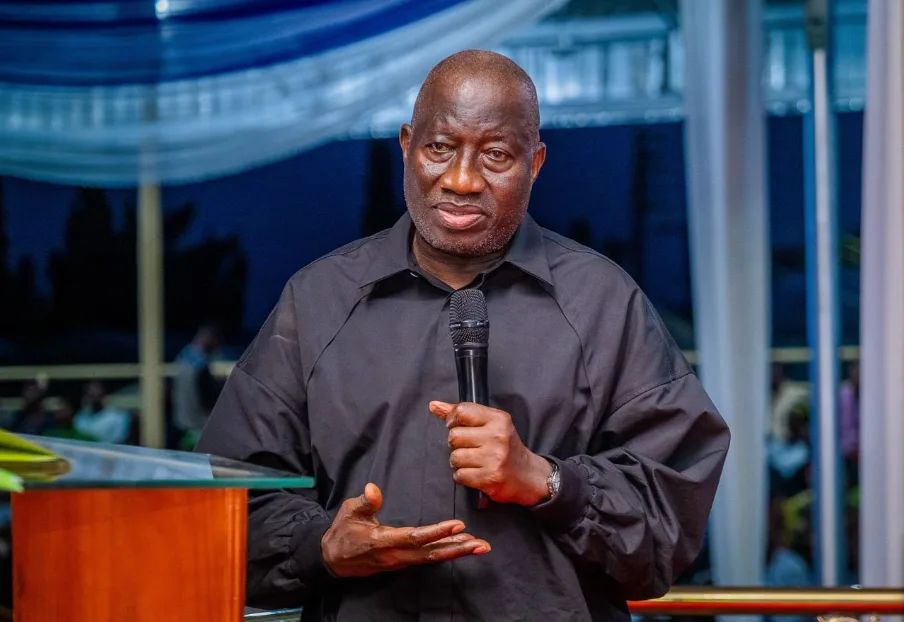
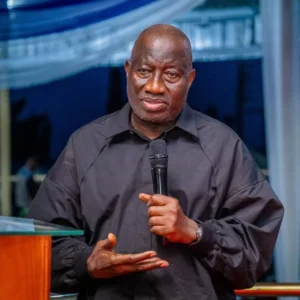
Former President Goodluck Jonathan speaking at the 2027 Peace and Security Conference in Abuja, where he warned against political violence ahead of Nigeria's general elections.

2027 elections: Jonathan warns of possible post-election violence

Former President Goodluck Jonathan has warned that growing political intolerance, campaign-related violence and inflammatory rhetoric could trigger a post-election crisis in Nigeria ahead of the 2027 general elections.   Jonathan raised the concern on Tuesday at the 2027 Peace and Security Conference in Abuja, organised by the Goodluck Jonathan Foundation. The conference, themed ‘Safeguarding Peace and Strengthening Social Cohesion in a Competitive Political Environment’, brought together political leaders, security officials and other stakeholders to discuss threats to national stability. The former President said he had received growing concerns from Nigerians and international observers about the country’s political direction, warning that the possibility of violence after the 2027 elections should not be ignored. He identified political intolerance, thuggery, the exploitation of young people for violence and attacks on political opponents as developments requiring urgent attention. According to Jonathan, political actors are increasingly unwilling to accommodate opposing views or recognise the right of others to contest for political power. His warning comes amid a series of reported attacks involving political candidates, supporters and campaign convoys across the country. On November 13, 2026, the convoy of President Bola Tinubu reportedly came under attack shortly after he observed Jumu’ah prayers in Garki, Abuja. Two days later, suspected thugs attacked the campaign convoy of Nigeria Democratic Congress vice-presidential candidate, Rabiu Kwankwaso, and Kano governorship candidate Aminu Gwarzo in Bichi Local Government Area, Kano State. Earlier in November, the convoy of NDC presidential candidate Peter Obi was attacked in Calabar, Cross River State. Some of his supporters were also reportedly assaulted during a town hall meeting in Lagos. Supporters of African Democratic Congress presidential hopeful Atiku Abubakar have equally reported attacks in Edo, Kaduna and Cross River states. Similarly, African Action Congress presidential candidate Omoyele Sowore and his entourage were attacked at a restaurant in Ado-Ekiti, Ekiti State, on October 30. Jonathan Raises Concerns Over Judiciary The former President also expressed concern over conflicting judicial pronouncements, particularly decisions by courts of coordinate jurisdiction. He warned that contradictory rulings on similar matters could undermine public confidence in the judiciary and encourage citizens to take the law into their own hands. Jonathan stressed the importance of protecting the independence and integrity of the judiciary, noting that declining trust in democratic institutions could create unnecessary tension. He also cautioned against the use of ethnic and religious sentiments during the 2027 elections. Calling for reforms in Nigeria’s political recruitment process, Jonathan urged voters to prioritise competence, credibility and national interest over prejudice and personal ambition. He said Nigeria needed leaders capable of uniting the country and advancing national development. Sambo, Defence Minister Urge Political Restraint Former Vice-President Namadi Sambo, who chaired the conference, urged political leaders to treat political differences as opportunities for constructive engagement rather than sources of division. Sambo advocated inclusive governance, responsible leadership and respect for the rule of law, stressing the need to build bridges across ethnic, religious and political differences. He expressed optimism that discussions at the conference would strengthen public trust, democratic institutions and national unity. Minister of Defence, General Christopher Musa (retd.), also warned against allowing political competition to fuel insecurity and national disunity. Represented by his Special Adviser on Strategic Communications, Mercy Bala, the minister urged political parties and candidates to prioritise peace, restraint and responsible political engagement. He also warned against inflammatory language, hate speech, misinformation and divisive narratives capable of deepening existing divisions. INEC Threatens Prosecution Over Electoral Violence The Chairman of the Independent National Electoral Commission, Professor Joash Amupitan, condemned reported attacks on campaign convoys and political supporters. Represented by INEC National Commissioner May Agbamuche-Mbu, Amupitan warned political actors, sponsors and supporters against violence and intimidation, declaring that perpetrators would face prosecution. He referenced Sections 96 and 97 of the Electoral Act 2026, which prohibit abusive and inflammatory campaign language, the deployment of thugs at political rallies and the use of force to intimidate voters or opponents. The INEC chairman also disclosed that the law increased penalties for electoral offences, prescribing fines of up to ₦5m or 12 months’ imprisonment for individuals and up to ₦10m for political parties. He urged political parties to discipline their supporters and use established platforms for dialogue to resolve disagreements. Foundation Raises Concerns Over Voter Confidence Meanwhile, former President of the ECOWAS Commission, Omar Touray, identified public trust in democratic institutions and electoral processes as essential to maintaining political stability. He urged political parties to pursue electoral grievances through constitutional and legal channels rather than intimidation or violence. Executive Director of the Goodluck Jonathan Foundation, Ann Iyonu, also warned that insecurity, economic pressures and declining public confidence could heighten political tensions ahead of the 2027 elections. Citing an Afrobarometer survey, she said fewer than four in 10 Nigerians believed the 2027 elections would be free and fair. Iyonu identified vote buying, electoral violence, violations of electoral laws and manipulation of results as some of the concerns troubling voters. She warned that a disputed or violence-marred election in Nigeria could have consequences beyond the country’s borders, potentially affecting democratic stability, regional security and economic activities across West Africa. The stakeholders called for credible elections, responsible political conduct and stronger democratic institutions to safeguard peace and national unity.
Read more

Editor's Pick

Trending News

Newsletter

Enter your email address and receive notifications of news by email.

You have been successfully Subscribed! Ops! Something went wrong, please try again.

© 2026 GongNews. All Rights Reserved.