
/ Oct 22, 2026
/ Oct 22, 2026

12 dead, many missing after migrant boat sinks off Gambia

Published on

By

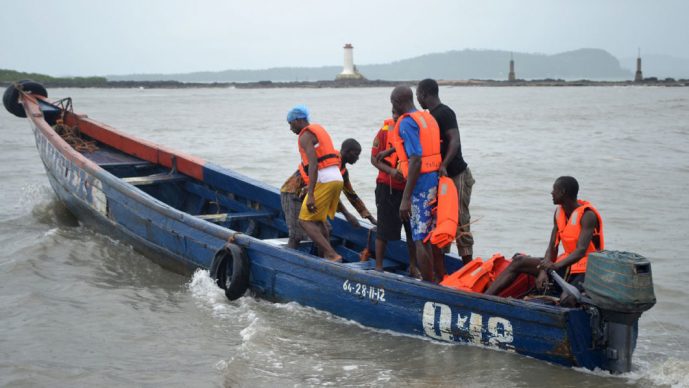
At least 12 people have died after a boat carrying migrants sank off the coast of The Gambia, with an unknown number still missing as rescue operations continue.


The Gambia Red Cross Society confirmed the deaths on Thursday, October 15, saying rescuers had recovered 12 bodies following the incident.

In a statement, the humanitarian organisation said the number of missing people remained unclear, adding that further information was expected as rescue efforts continued.

Boat Departed From Known Migration Route

The boat reportedly departed from Jinack Kajata, a village on an Atlantic island that residents say has become a frequent departure point for migrants attempting to reach Spain’s Canary Islands.

The Atlantic crossing from West Africa is considered highly dangerous because of strong ocean currents and the use of overcrowded, poorly equipped boats.

The latest tragedy comes amid increased efforts by authorities to curb irregular migration along the West African coast.

Previous Shipwreck Killed Dozens

The incident follows another deadly shipwreck off Jinack Kajata in December 2025, when more than 40 people died and approximately 100 others were reported missing.

Increased patrols off Morocco, Mauritania and Senegal have pushed some migrants further south in their attempts to reach Europe, lengthening their journeys and exposing them to greater risks at sea.

The Canary Islands remain a major entry point into Europe for migrants fleeing poverty, conflict and persecution. Other major migration routes lead across the Mediterranean towards Italy and Greece.

According to figures cited by AFP, arrivals in the Canary Islands peaked at more than 46,000 in 2024 but have since fallen sharply as Spain intensifies efforts to curb irregular migration.

You May Like

Leave a Reply

Your email address will not be published. Required fields are marked *

Most Popular

Must Read

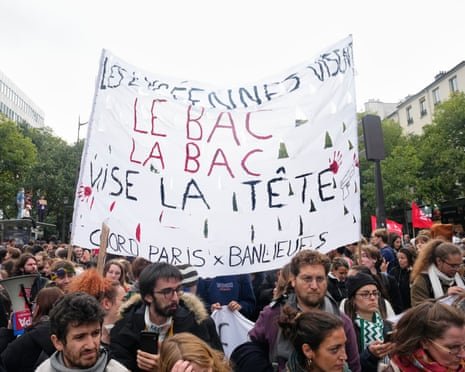
Protesters march during a demonstration in Paris, France, on October 6, 2026, amid nationwide protests over rising living costs and learning conditions.

Macron tightens security as France bans new protests

French authorities have imposed fresh restrictions on protests across the country following violent clashes, looting and vandalism that erupted during demonstrations over the rising cost of living.   President Emmanuel Macron announced the measures on Thursday, October 22, after meeting key ministers and intelligence officials. The restrictions include curfews and bans on demonstrations organised by what the government describes as groups without legitimacy. Macron said restoring calm was the government’s immediate priority, adding that he would chair another defence council meeting on Friday to determine how to respond to nationwide demonstrations planned for Saturday and beyond. He blamed organised far-left groups for the worst of last weekend’s violence, accusing them of attempting to undermine the French republic. France Tightens Protest Restrictions The latest measures follow clashes on October 17, when demonstrations involving more than half a million people against rising living costs were followed by widespread looting and damage to public buildings. The government has acknowledged that police lost control during the unrest, while political candidates seeking to succeed Macron in presidential elections expected in six months have questioned the authorities’ ability to restore order. In Paris, a student demonstration went ahead on Thursday after an emergency court overturned a police ban. Hundreds attended the rally, which followed four weeks of student protests before the October 17 demonstrations. Student leader Coppelia Moreau accused the authorities of attempting to distinguish between acceptable and unacceptable protesters, arguing that the restrictions threatened the right to demonstrate. Authorities in Lyon, France’s third-largest city, banned all protests scheduled for Saturday. The city experienced the looting of between 200 and 300 shops during last weekend’s unrest, while a tourist office was set on fire. Other cities, including Grenoble, Rouen, Le Havre and Toulon, also announced restrictions on demonstrations in their city centres. In Paris, police said a march planned for Saturday could proceed in the eastern part of the capital, beginning at Bastille, but would not be allowed to enter the city centre, where major public buildings and shops are located. The Yellow Vest movement, which has joined trade unions in organising the cost-of-living demonstrations, rejected the restrictions. Meanwhile, Art Basel Paris, the capital’s biggest art fair, announced that it would close two days earlier than scheduled because of the planned protests. France’s Interior Ministry said 20 per cent more police officers would be deployed on Saturday than during the previous weekend’s demonstrations. Arrests Rise as Government Seeks Dialogue The French government has promised a firm response to the violence, although Macron has ruled out declaring a state of emergency. Justice Minister Gerald Darmanin said on Thursday that 217 of the 2,700 people arrested during and since last weekend’s unrest had been detained, while another 1,000 were facing prosecution. Prosecutors also confirmed the arrest of a 66-year-old man over the arson attack on the 19th-century town hall in Limoges. Another man in his 30s had been arrested on Tuesday in connection with the same incident. The unrest has intensified political divisions ahead of the presidential elections scheduled for April and May. Marine Le Pen, the far-right leader who is topping opinion polls, accused Macron and his centrist government of being too weak in their response to the violence. Jean-Luc Mélenchon, a far-left presidential candidate who has faced criticism from the government over his response to the unrest, blamed what he described as the authorities’ continued use of excessive force. Prime Minister Sébastien Lecornu also began consultations with political leaders and other stakeholders in an effort to address the crisis. On Thursday, he met representatives of France’s major political parties, although Le Pen’s National Rally sent a lower-ranking official rather than a senior party leader. Lecornu was scheduled to meet mayors next, followed by discussions with student groups, trade unions and the employers’ federation on Monday. The government’s next steps are expected to be determined following Friday’s defence council meeting, as authorities prepare for further demonstrations across the country.
Read more

Editor's Pick

Trending News

Newsletter

Enter your email address and receive notifications of news by email.

You have been successfully Subscribed! Ops! Something went wrong, please try again.

© 2026 GongNews. All Rights Reserved.