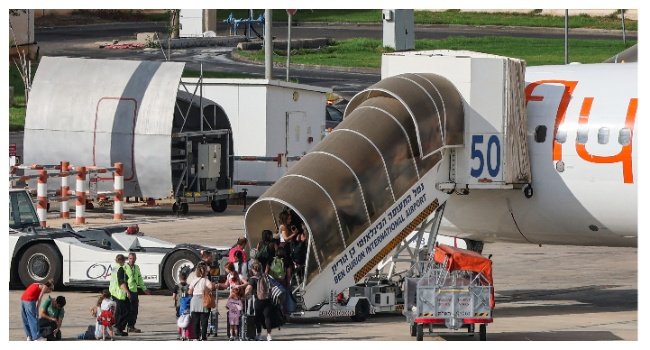

The United States has announced tighter entry controls and health screening at airports as concerns grow over the ongoing Ebola outbreak affecting parts of Central Africa.
According to Channels Television, US authorities will now screen travellers arriving from outbreak-affected countries, while visa services in some locations have also been suspended.
The measures were confirmed by the US Centers for Disease Control and Prevention after the World Health Organization declared the outbreak in the Democratic Republic of the Congo an international health emergency.
Health officials said one American working in the DRC had contracted Ebola through occupational exposure. The person developed symptoms over the weekend and tested positive on Sunday, with plans underway to transfer them to Germany for treatment.
CDC incident manager Satish Pillai said six more people were being evacuated for observation. He added that the agency currently assesses the risk to the general US public as low but would continue reviewing the situation.
The US also imposed entry restrictions on non-citizens who have travelled within the past 21 days to Uganda, the DRC or South Sudan.
The US Embassy in Uganda confirmed that visa services in Kampala had been temporarily paused, with affected applicants already notified.
The current Ebola strain has no approved vaccine or targeted treatment. Congolese Health Minister Samuel-Roger Kamba said 91 deaths are suspected to be linked to the outbreak, while around 350 suspected cases have been recorded.
Most cases involve adults aged between 20 and 39, with women accounting for more than 60 percent of infections.
The outbreak has also drawn criticism over Washington’s preparedness. The US formally withdrew from the WHO earlier this year under Donald Trump, while cuts to United States Agency for International Development have raised questions about emergency response capacity.
The State Department said it had released $13 million for immediate outbreak response. However, Matthew Kavanagh said the response had been too slow, arguing that travel restrictions were unlikely to be an effective public health solution.
He said previous outbreaks were contained faster through coordinated work involving USAID, the CDC and international agencies, warning the current administration was now trying to catch up after the virus had already spread significantly.