
/ Jul 03, 2026
/ Jul 03, 2026

Nigeria, Benin deepen border security and trade ties

Published on

By

National Boundary Commission has said Nigeria and Benin are stepping up cross-border cooperation to improve security, trade and development across shared border communities.

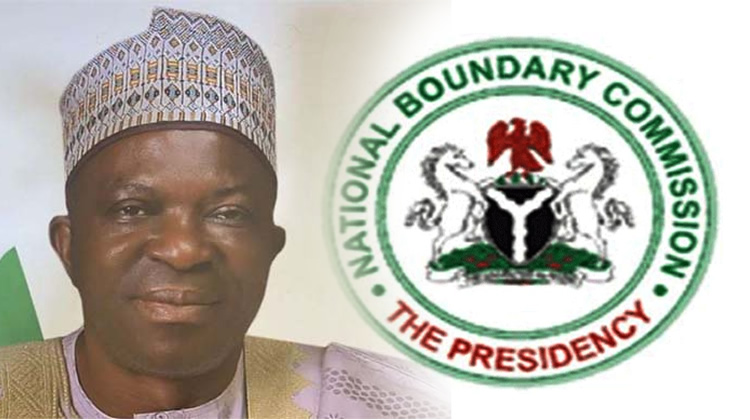
According to a report by Punch Newspapers, the Director-General of the National Boundary Commission, Adamu Adaji, said clearly demarcated borders are essential for strengthening regional peace, economic activities and community resilience.

Adaji, represented by Farouk Tarfa, spoke during a two-day Cross Border Cooperation Programme held from May 14 to 15 along the Nigeria-Benin and Benin-Togo frontiers. The event was hosted by Yousouf Adams, head of the Benin Republic’s boundary commission.

He said many African borders remained unclear after independence because of colonial-era treaties, but leaders across the continent had committed to respecting inherited boundaries while resolving disputes peacefully.

The commission also called for continued backing from German International Cooperation to complete the demarcation of the Nigeria-Benin international boundary, saying the project would improve livelihoods in border communities and tighten security.

Officials from the African Union and GIZ joined the programme, including Tobias Thiel and Bakary Sanou.

Delegates also inspected border pillars and visited socio-economic projects in the region. They paid a courtesy visit to Sir Isaac, who urged continued engagement with local communities to reduce irregular migration and support peace.

The meeting also saw a solidarity visit to the Benin-Togo border where local cross-border cooperation platforms were inaugurated. The initiative is designed to boost the vision of an “ECOWAS of People” by promoting regional integration, peaceful coexistence and stronger border governance.


You May Like

Leave a Reply

Your email address will not be published. Required fields are marked *

Most Popular

Must Read

World Bank headquarters as Nigeria seeks approval for a new $1.25bn loan to support economic reforms and job creation.

World Bank says Nigeria’s fiscal problem is revenue, not debt

The World Bank has said Nigeria’s biggest fiscal challenge is weak revenue generation rather than rising debt levels.   Speaking in an interview on Channels Television, Mathew Verghis, the World Bank’s country director for Nigeria, said the country’s debt burden remains moderate by international standards. According to Verghis, Nigeria’s core problem is low revenue mobilisation, which limits the government’s ability to fund development and repay obligations. “From our assessment, Nigeria doesn’t have a high indebtedness problem, it has a low revenue problem,” he said. He explained that Nigeria’s debt-to-economy ratio is lower than that of many comparable countries, stressing that the country should not be grouped with nations facing debt distress. Verghis cited Ghana as an example of a country dealing with debt restructuring, noting that Nigeria’s situation is significantly different. He said borrowing remains necessary for countries seeking to invest in long-term development projects, especially those that deliver future economic returns. According to him, governments often rely on debt financing to fund major infrastructure projects, improve public services and stimulate economic growth. Verghis pointed to the urgent need for improved energy access, noting that connecting millions of Nigerians to electricity would require substantial investment. He said providing energy access to about 32 million Nigerians would involve significant borrowing but would ultimately strengthen economic productivity and improve repayment capacity. The World Bank official warned that unless Nigeria significantly improves revenue collection, the country could struggle to meet future debt obligations despite its moderate debt profile. He added that stronger revenue generation would allow the government to invest more in infrastructure, healthcare, agriculture and digital connectivity while supporting job creation and poverty reduction. The comments follow the World Bank’s recent six-year country partnership framework for Nigeria, which places job creation at the centre of support through strategic investments in key sectors.
Read more

Editor's Pick

Trending News

Newsletter

Enter your email address and receive notifications of news by email.

You have been successfully Subscribed! Ops! Something went wrong, please try again.

© 2026 GongNews. All Rights Reserved.