

The abduction of dozens of pupils and teachers from schools in Oriire Local Government Area of Oyo State has ignited nationwide protests, prompted condemnation from lawmakers and intensified calls for the creation of state police.
According to Punch, teachers, labour unions and civil society groups staged solidarity rallies across the country on Tuesday, demanding the immediate release of abducted pupils and educators and stronger protection for schools.
The crisis stems from a May 15 attack in Ahoro-Esinle and Yawota communities, where armed men stormed three schools and kidnapped pupils and teachers. The incident has revived memories of previous mass school abductions in Nigeria and heightened concerns about the safety of educational institutions.
At the resumption of plenary, the Senate observed a minute’s silence for two teachers and a pupil killed in connection with the attack.
Senate President Godswill Akpabio described the abduction as an assault on Nigeria’s future, stressing that children and teachers represent the foundation of national development.
He paid tribute to teachers Michael Oyedokun and Adesiyan Adegboye, as well as a pupil killed during the incident, while expressing hope that security agencies would secure the release of those still in captivity.
Akpabio also urged politicians to avoid exploiting the tragedy for partisan purposes, insisting that insecurity affects all Nigerians regardless of political affiliation, religion or ethnicity.
In the House of Representatives, lawmakers called on security agencies to secure the release of 42 schoolchildren abducted in Mussa Ward, Askira-Uba Local Government Area of Borno State.
The House further demanded urgent implementation of a national Safe Schools Security Framework and strengthened intelligence gathering, rapid-response operations and community-based security measures.
During debate on a motion sponsored by Midala Balami, lawmakers warned that repeated attacks on schools were undermining public confidence and threatening access to education.
The debate also reignited demands for state police. Lawmakers argued that decentralised policing would improve responses to insecurity, particularly in rural communities vulnerable to attacks.
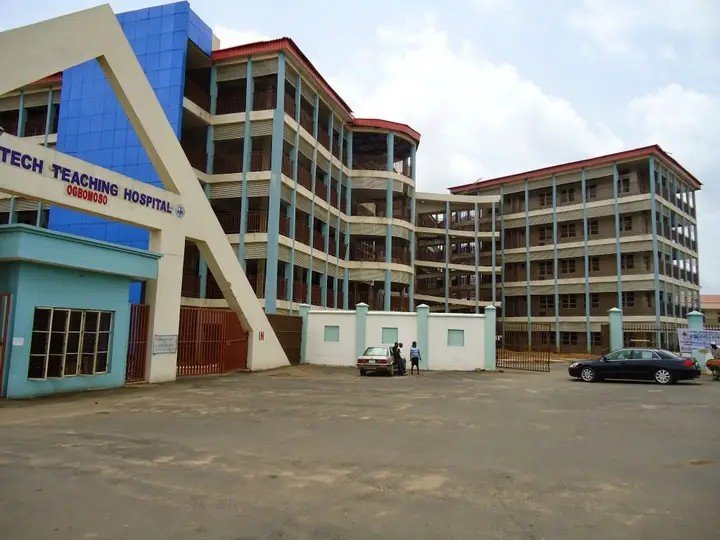
Representing Ogbomosho North/Ogbomosho South/Oriire Federal Constituency, Ayodeji Alao-Akala described the killing of teacher Michael Oyedokun in captivity as a barbaric act that required decisive government action.
He raised concerns about criminal groups operating within forests around the Old Oyo National Park, describing the area as a corridor for kidnappers and armed gangs.
In Abuja, Nyesom Wike assured protesting teachers that security agencies were working to rescue the victims and urged Nigerians not to politicise insecurity.
Similar protests were held in Lagos, Ogun, Edo, Benue, Adamawa, Kano, Niger and several other states.
At the Lagos State House of Assembly, Speaker Mudashiru Obasa renewed support for state policing, saying it remained a critical solution to rising insecurity.
Meanwhile, Oyo State Governor Seyi Makinde appealed for unity, saying efforts were ongoing to rescue the abducted teachers and pupils. He urged Nigerians not to use the tragedy for political purposes and said security and intelligence agencies were actively tracking the kidnappers.
Labour leaders warned that further industrial action could follow if authorities failed to secure the release of the victims.
The protests also spread to private school operators. The National Association of Proprietors of Private Schools said it had mobilised stakeholders for advocacy and awareness campaigns while calling for intensified rescue efforts.
The growing anxiety over school safety also triggered panic in parts of Osun State after false rumours of a bandit invasion circulated, leading some parents to withdraw their children from schools. Governor Ademola Adeleke later reassured residents that no such attack had occurred and that security measures were in place.
The nationwide demonstrations came as the Nigeria Police Trust Fund urged the Senate to increase its statutory allocation from 0.5 per cent to one per cent to support investments in surveillance technology, forensic facilities and digital intelligence tools aimed at tackling kidnapping and organised crime.