
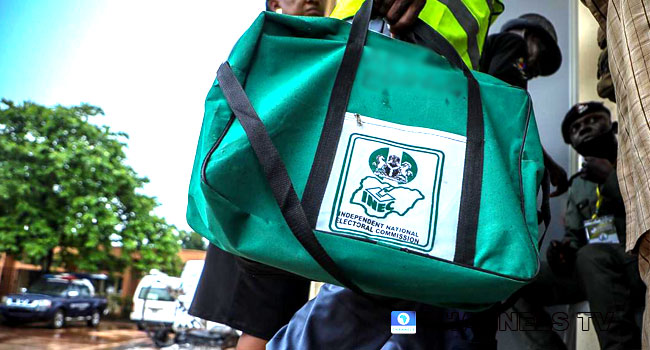
The Independent National Electoral Commission (INEC) will begin distributing sensitive election materials across Ekiti State today as preparations intensify ahead of Saturday’s governorship election.
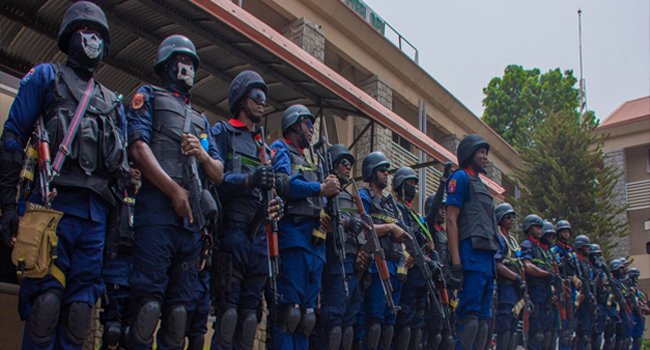
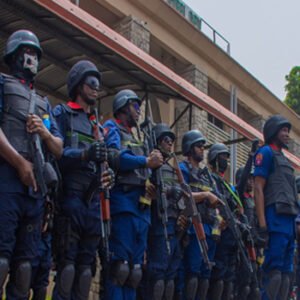
According to The PUNCH, security agencies have rolled out extensive measures to safeguard the poll, with the Nigeria Security and Civil Defence Corps (NSCDC) deploying 10,000 personnel and the Nigeria Police Force activating a comprehensive election security framework.
The election, scheduled for June 20, will see voters across the state’s 16 local government areas choose a governor from candidates representing 13 political parties. Political observers regard the contest as an important test ahead of Nigeria’s 2027 general election.
Ekiti Resident Electoral Commissioner, Dr Bunmi Omoseyindemi, said INEC had concluded most of its preparations and would commence the movement of sensitive materials, including ballot papers, Bimodal Voter Accreditation System (BVAS) machines and voter registers, to local government areas.
Non-sensitive materials have already been distributed, while the Nigerian Air Force confirmed it successfully airlifted sensitive electoral materials from Abuja to designated locations between June 15 and 16.
Air Commodore Ehimen Ejodame said the operation supported the Ekiti governorship election and several by-elections in other states. He noted that the airlift ensured INEC received the materials within the required timeline.
Security agencies activate election plans
Police authorities said Commissioner of Police Abayomi Shogunle has assumed responsibility for election security operations and begun implementing protocols approved by the Inspector-General of Police.
Police spokesperson Sunday Abutu said intelligence gathering had been intensified to identify and neutralise threats such as political violence, cult activity, thuggery and misinformation campaigns.
The command also established a centralised operational framework to coordinate rapid response teams and joint deployments under the Inter-Agency Consultative Committee on Election Security.
Meanwhile, the NSCDC announced the deployment of 10,000 officers drawn from multiple state commands, including Ondo, Osun, Oyo, Lagos, Kwara, Edo, Ogun and Kogi.
NSCDC spokesperson Babawale Afolabi said specialised tactical units, including the Special Weapons and Tactics team, Special Intelligence Squad, K9 Unit and other elite formations, had been mobilised to address potential security threats.
The corps said its mission was to ensure a peaceful, credible and violence-free election environment while protecting voters, election officials and critical infrastructure.
Disability inclusion measures
Civil society organisation TAF Africa announced plans to deploy 150 election observers and 25 sign language interpreters across the state to support voters with disabilities.
Programmes Manager Dr Andrew Adaji said the observers would focus on polling units with significant populations of persons with disabilities and use a dedicated election monitoring application to provide real-time reports from the field.
The organisation said its objective was to ensure compliance with election guidelines designed to improve accessibility and participation for persons with disabilities.
Election tribunal constituted
In preparation for potential post-election disputes, the President of the Court of Appeal, Justice Monica Dongban-Mensem, has constituted the Ekiti State Governorship Election Petitions Tribunal.
The tribunal will sit at the National Industrial Court premises in Ado Ekiti and will handle petitions arising from the election outcome.
Oyebanji seeks second term
Incumbent governor and APC candidate, Biodun Oyebanji, used a statewide broadcast on Wednesday to highlight his administration’s achievements and appeal to voters for a renewed mandate.
He urged political parties, election observers and security agencies to maintain professionalism and ensure that the election and its aftermath remain peaceful.
While 13 parties are participating, analysts believe the race is largely centred on three candidates: Oyebanji of the APC, Wole Oluyede of the PDP and Dare Bejide of the ADC.
With logistics nearing completion and security personnel already deployed, attention now turns to Saturday’s vote, which is expected to influence political calculations ahead of the 2027 general election.