
A ceasefire between Israel and the Iran-backed group Hezbollah was announced on Friday following mediation efforts by the United States and Qatar, after a fresh escalation in Lebanon threatened to undermine a broader US-Iran peace agreement, according to AFP as reported by Channels Television.
The truce comes less than 48 hours after US President Donald Trump and Iranian President Masoud Pezeshkian signed an agreement aimed at ending the regional conflict that erupted on February 28.
Heavy Fighting Before Truce
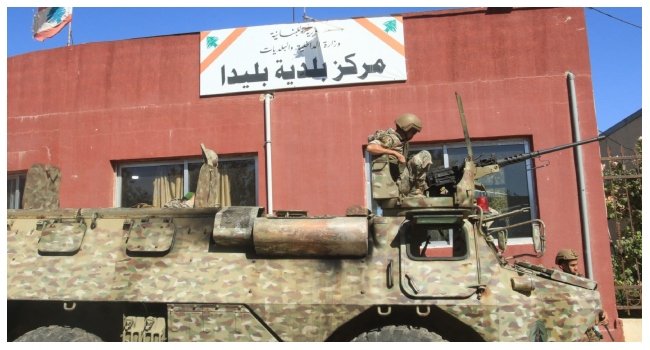
Before the ceasefire announcement, Israel said it had struck more than 80 Hezbollah targets across Lebanon and killed dozens of fighters. Lebanese authorities reported 47 deaths and 97 injuries from Israeli strikes, while Israel said four of its soldiers were killed.
Despite the ceasefire, Lebanese state media later reported an Israeli strike in the Jezzine region of southern Lebanon, raising concerns about the durability of the agreement.
Israeli Prime Minister Benjamin Netanyahu had earlier stated that Israeli forces would remain in Lebanon “as long as necessary”. Meanwhile, Israeli National Security Minister Itamar Ben-Gvir called for a harsher response following the deaths of Israeli troops.
Iranian Foreign Minister Abbas Araghchi accused Israel of pursuing a policy of “permanent war”.
US-Iran Negotiations Postponed
Planned talks between US and Iranian officials in Switzerland were postponed due to the renewed violence in Lebanon.
The discussions were expected to focus on unresolved issues from the initial agreement, particularly Iran’s nuclear programme. Switzerland confirmed it remains ready to host the talks once a new date is agreed.
Iranian foreign ministry spokesman Esmaeil Baqaei said there was “no urgency” to hold the meeting immediately but indicated negotiations could resume in the coming days.
Tehran Maintains Tough Position
Iran’s chief negotiator, Mohammad Bagher Ghalibaf, insisted Tehran would not compromise on its “red lines”.
He warned that Iran remained prepared to respond forcefully if challenged, saying the country still had its “finger on the trigger”.
US Vice President JD Vance also voiced frustration with Israel’s military strategy, telling the New York Times that security challenges cannot be solved solely through military action.
Strait of Hormuz Reopens
One of the most significant outcomes of the US-Iran agreement was the reopening of the Strait of Hormuz, a vital global oil shipping route.
Shipping traffic has begun to recover, with maritime tracking data showing 25 commercial vessels crossed the waterway on Thursday, the highest level since mid-April.
The US military also lifted its naval blockade of Iranian ports, although American warships remain deployed in the region.
Iran’s maritime authority has instructed ships seeking passage through the Strait of Hormuz to submit transit requests 48 hours in advance.
Why It Matters
The ceasefire reduces the immediate risk of a wider regional conflict involving Israel, Hezbollah, Iran and the United States. However, reports of continued military activity in Lebanon and the postponement of key US-Iran negotiations highlight the fragile nature of the current peace efforts.