
Fuel marketers have warned they will shut filling stations across Nigeria if the Federal Government attempts to impose petrol price controls in the country’s deregulated downstream sector.
The warning followed comments by the Minister of State for Petroleum Resources (Oil), Senator Heineken Lokpobiri, who said the government would not tolerate profiteering or practices that exploit consumers, despite the removal of fixed petrol prices.
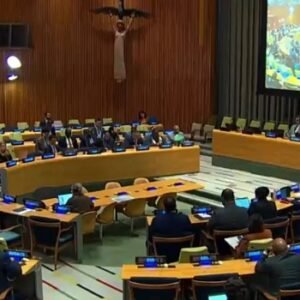
Speaking at the opening of the 2026 General Counsel and Legal Advisers Forum organised by the Nigerian Midstream and Downstream Petroleum Regulatory Authority in Abuja, Lokpobiri said deregulation does not prevent regulators from protecting consumers against excessive pricing.
The minister stated that while market forces should determine petrol prices, the government, through agencies established under the Petroleum Industry Act, has a duty to prevent unnecessary profiteering.
Reacting to the minister’s remarks, the National Publicity Secretary of the Independent Petroleum Marketers Association of Nigeria, Chinedu Ukadike, rejected any attempt to regulate pump prices.
He argued that imposing price controls in a deregulated market would be unfair, insisting marketers cannot be instructed on selling prices without considering their purchase costs.
Ukadike warned that independent marketers would close filling stations nationwide if the government enforced price controls.
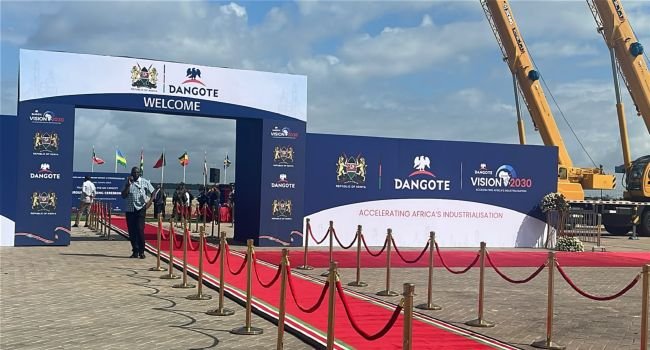
He maintained that many marketers are already operating at a loss due to repeated reductions in petrol prices by the Dangote refinery, with some forced to sell below their purchase prices to remain competitive.
According to him, many independent marketers rely on bank loans, making sudden price reductions even more difficult because repayment obligations remain unchanged despite fluctuations in fuel prices.
Ukadike urged the Federal Government to address the underlying causes of high petrol prices by encouraging competition through increased fuel imports and ensuring local refineries operate efficiently.
He said greater competition would naturally drive down prices without government intervention.
The Petroleum Products Retail Outlet Owners Association of Nigeria also weighed in on the issue.
Its National President, Billy Gillis-Harry, acknowledged that the minister has the authority to intervene to protect consumers but stressed that any decision should follow consultations with stakeholders across the petroleum industry.
He called on the minister to convene a meeting involving regulators, refiners and marketers to review the situation and agree on measures that would benefit Nigerians.
Meanwhile, the spokesperson for the Nigerian Midstream and Downstream Petroleum Regulatory Authority, George Ene-Ita, said he had not been briefed on any planned regulatory action regarding fuel pricing.
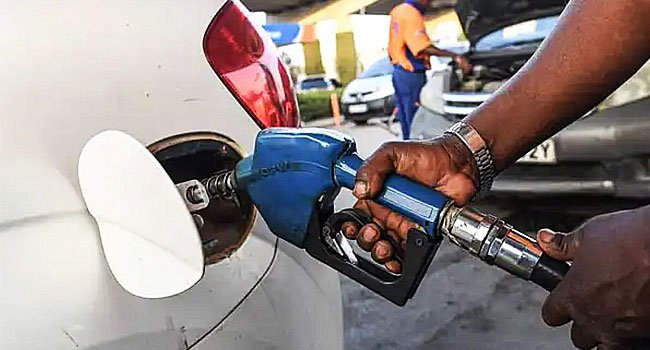
Petrol currently sells for between ₦1,140 and ₦1,210 per litre, depending on location.