
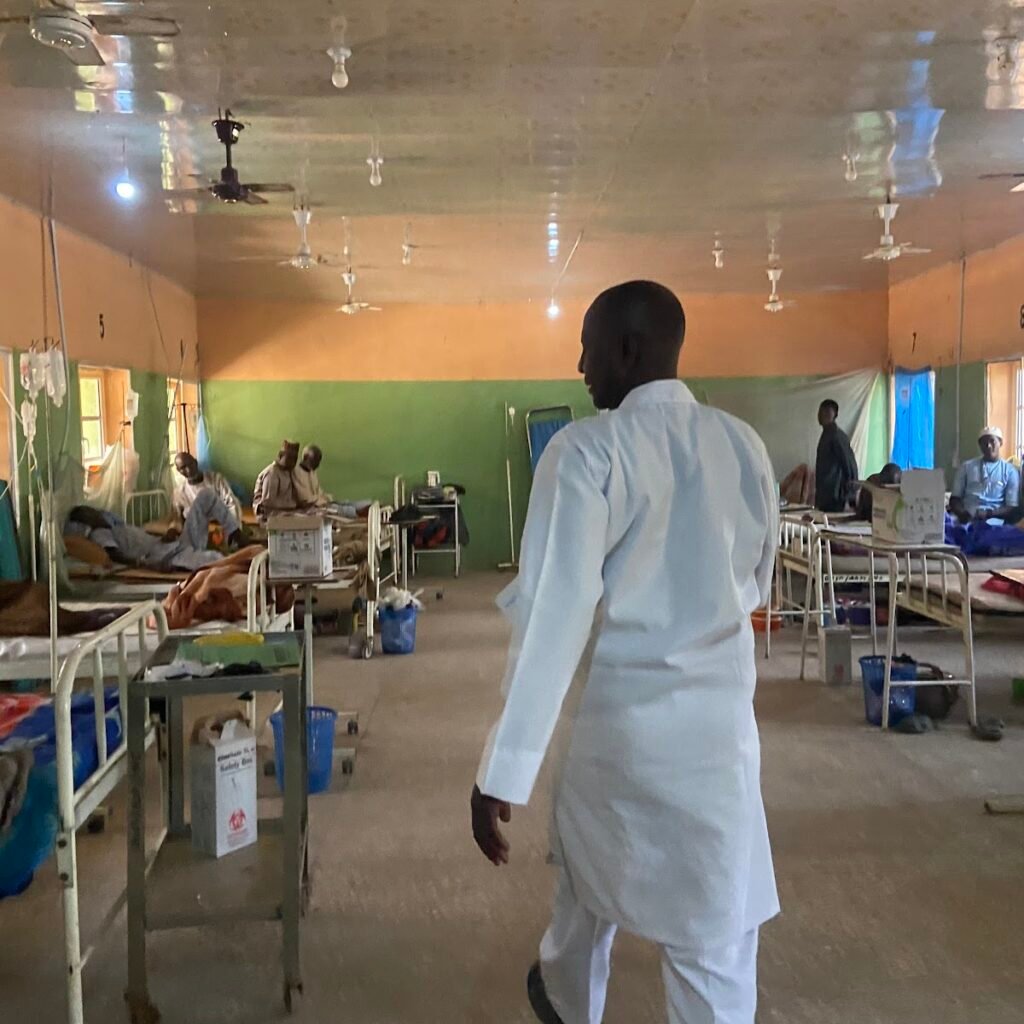
Only four in 10 healthcare facilities worldwide met basic sanitation standards in 2025, according to a new report by the World Health Organisation and UNICEF.
The report, which provides the first global estimates of sanitation services in healthcare settings, found that 11 per cent of facilities had no sanitation services at all, affecting an estimated 936 million people.
Basic sanitation was defined as having usable toilets that meet the needs of patients and staff, including at least one toilet for staff, a sex-separated toilet with menstrual hygiene facilities and an accessible toilet for people with limited mobility.
The findings showed significant regional disparities. Only 23 per cent of healthcare facilities in sub-Saharan Africa provided basic sanitation services, compared with 55 per cent in central and southern Asia.
The report also assessed other essential services needed to maintain safe healthcare environments.
An estimated 85 per cent of facilities had basic water services, while 72 per cent had basic hygiene services and 71 per cent met basic healthcare waste management standards.
Environmental cleaning remained another major gap. Only 59 per cent of healthcare facilities met basic environmental cleaning standards, which require cleaning protocols and trained cleaning staff as part of infection prevention and control measures.
The report found that 18 per cent of facilities, serving approximately 1.5 billion people, met neither of the environmental cleaning requirements. Data for this category came from 54 countries.
Conditions were particularly poor in the world’s least-developed countries, where only 24 per cent of healthcare facilities met the environmental cleaning standard.
The findings highlight persistent gaps in water, sanitation, hygiene, cleaning and waste management across healthcare facilities, particularly in poorer regions.