
/ Aug 26, 2026
/ Aug 26, 2026

Dolly Parton dies at 80 after brief battle with cancer

Published on

By

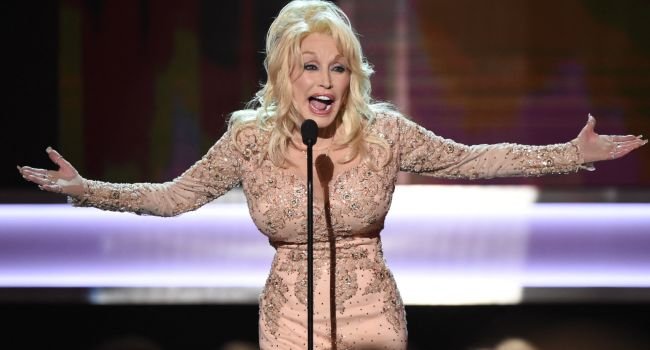
Music legend Dolly Parton has died at the age of 80 after a brief battle with cancer, according to US media reports.


Parton’s representatives confirmed her death following an announcement by her family on Tuesday. Her nephew, Bryan Seaver, paid tribute to the singer in a social media video, saying she had “opened doors for generations” of singers, songwriters, musicians and dreamers.

The family did not initially disclose her cause of death, but US media reported that Parton had been undergoing cancer treatment. People reported that she was admitted to a cancer treatment facility on Friday.

Parton had acknowledged health concerns in a recent interview and, in May, cancelled a series of Las Vegas concerts. At the time, she said treatment for an unspecified illness was going well but that she was not ready to return to the stage.

Born into poverty in Tennessee, Parton became one of the most influential figures in country music after moving to Nashville shortly after graduating from high school.

She rose to national prominence in the 1960s after joining Porter Wagoner’s syndicated country music television programme.

Her six-decade career produced thousands of songs, including “Jolene,” “9 to 5,” “Coat of Many Colours” and “I Will Always Love You,” the latter of which became a global hit for Whitney Houston.

Parton released dozens of studio albums and more than 100 compilation and collaboration albums, earning widespread recognition as the “Queen of Country Music.”

Beyond music, she built a successful career as an actress, philanthropist and businesswoman, becoming a major figure in American popular culture.

Her husband, Carl Dean, died in 2025.

US President Donald Trump ordered American flags to be flown at half-staff across the country for a week in honour of Parton, describing her death as a loss for millions of people.

You May Like

Leave a Reply

Your email address will not be published. Required fields are marked *

Most Popular

Must Read

Nigerians gathered at a polling unit during an election in Nigeria

Election season is harmful to your health, expert warns

As Nigeria moves towards the 2027 general elections, health communication expert Sylvester Ojenagbon has warned that the pressure, anxiety and constant political noise surrounding election periods can take a toll on people’s physical and mental wellbeing.   In a viewpoint article published by TheCable on August 26, Ojenagbon said election seasons can bring chronic stress through relentless political discussions, social media arguments, uncertainty and disruptions to everyday routines. He noted that the effects may appear in subtle ways, including poor sleep, irritability, headaches and heightened anxiety. According to Ojenagbon, Nigerians should distinguish between staying informed and becoming overwhelmed by political content. He advised people to choose reliable sources, verify information and limit excessive exposure to political commentary, particularly late at night. The health communication expert also urged Nigerians to maintain basic health routines during the election period. He recommended staying hydrated, eating properly and continuing prescribed medication, particularly for people managing conditions such as hypertension or diabetes. Long queues and crowded political gatherings could also create additional challenges. Ojenagbon advised people attending election-related activities to carry water and prepare adequately for prolonged periods outdoors. He also highlighted the importance of mental health, saying persistent anxiety, sleeplessness, irritability or dread linked to political content should not be ignored. Reducing exposure to inflammatory content, speaking with trusted people and maintaining activities that provide emotional stability could help people manage election-related stress, he said. Ojenagbon further warned that political disagreements can damage friendships and family relationships, with the emotional consequences potentially lasting beyond the election period. While acknowledging that political decisions affect Nigeria’s economy, security and health systems, he stressed that individuals can still take steps to protect their wellbeing. The article’s message is not to avoid political participation but to balance civic engagement with healthy personal routines as the country approaches the 2027 elections. As Ojenagbon put it, Nigerians can follow political developments and participate in democracy while also making time for sleep, hydration, medication, relationships and breaks from the political noise.
Read more

Editor's Pick

Trending News

Newsletter

Enter your email address and receive notifications of news by email.

You have been successfully Subscribed! Ops! Something went wrong, please try again.

© 2026 GongNews. All Rights Reserved.