
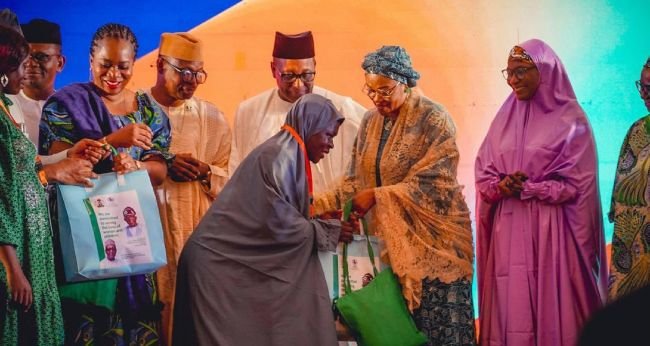
The Federal Government has distributed 215,000 MAMA kits to vulnerable pregnant women and families as part of efforts to reduce Nigeria’s high maternal and newborn mortality rates.
The kits form the second batch of the intervention under the Maternal and Neonatal Mortality Reduction Innovation Initiative (MAMII) of the Federal Ministry of Health and Social Welfare. The first batch, comprising 110,000 kits, was distributed in 2025.
The distribution was flagged off at the State House Conference Centre in Abuja on Monday by the First Lady, Senator Oluremi Tinubu.
The Federal Government also distributed 40,000 maternal food-support packs and 40,000 sets of newborn clothing alongside the MAMA kits.
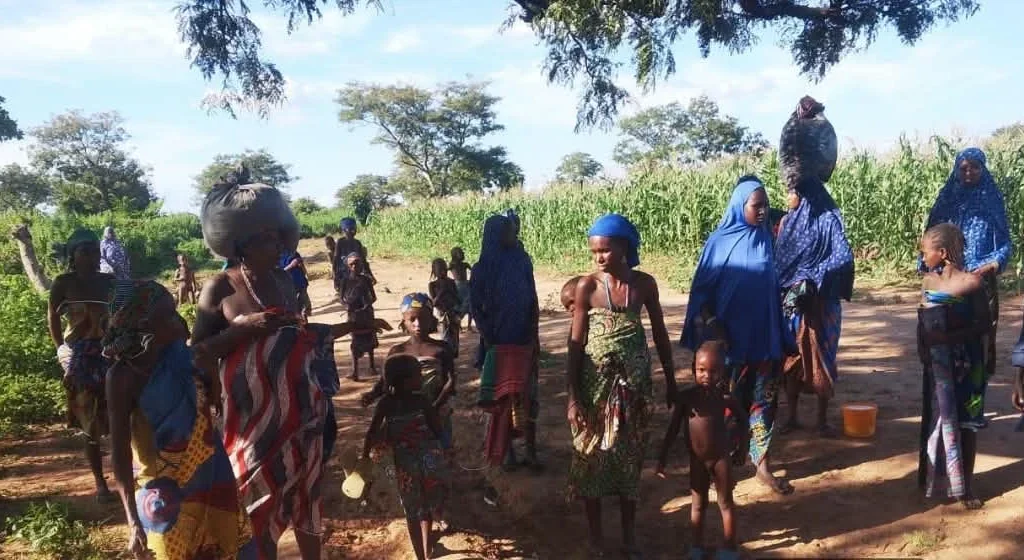
The First Lady called for stronger collaboration among federal, state and local governments, traditional and religious institutions, development partners and philanthropists to ensure the interventions reach women in poor, underserved and hard-to-reach communities.
She said the initiative was designed to encourage disadvantaged pregnant women to attend antenatal clinics, prepare for childbirth and remain connected to healthcare services after delivery.
“This occasion represents a further step towards ensuring that every Nigerian child has a healthy start in life and that no woman loses her life while giving birth.”
Coordinating Minister of Health and Social Welfare, Prof. Muhammad Ali Pate, said the intervention was part of the Federal Government’s wider strategy to expand access to essential healthcare.
According to Pate, the government is targeting a 30 per cent reduction in maternal mortality and a 20 per cent reduction in newborn mortality by 2028, with approximately 2.9 million pregnant women and families expected to benefit.
MAMII is currently being implemented in several states, with a focus on emergency obstetric and newborn care, transportation, referral systems and strengthening primary healthcare delivery.
Minister of State for Health and Social Welfare, Dr Iziaq Salako, described Nigeria’s maternal mortality burden as one of the country’s most serious health challenges.
Figures presented at the event indicated that Nigeria accounts for nearly 39 per cent of global maternal deaths.
The government said about 642,000 pregnant women had so far been moved to healthcare facilities within their communities, while more than 85,000 women had been transported for emergency care.
It added that more than 93,000 women had benefited from free life-saving surgical procedures nationwide, with the interventions contributing to a reported 22 per cent reduction in maternal mortality in facilities equipped to provide the services.
More than 250 health facilities across Bauchi, Borno, Kaduna, Kano and Katsina states are implementing MAMII. The government said more than 42,000 women and 1,700 newborns had directly benefited from emergency obstetric and newborn care.
The World Health Organisation Country Representative, Dr Pavel Ursu, said the success of the programme would ultimately depend on whether it improved access to quality healthcare and saved lives.
He urged authorities to use data to identify underserved communities and ensure resources were directed towards areas with the greatest needs.
Ursu also called for greater domestic financing and ownership of the programme, stressing that sustainable progress must be supported by Nigerian institutions, budgets and accountability.
The intervention was launched amid calls from lawmakers and development partners for sustained funding, functional health facilities, skilled healthcare workers and effective referral systems to complement the distribution of material incentives.