
/ Jul 01, 2026
/ Jul 01, 2026

Ex-power minister, Agunloye, declared wanted by EFCC

Published on

By


A former Minister of Power and Steel, Dr Olu Agunloye, has been declared wanted by the Economic and Financial Crimes Commission EFCC.

The minister who hails from Akoko North Local Government Area of Ondo State was declared wanted by the anti-graft agency over an alleged case of corruption and forgery.

The EFCC in September quizzed Agunloye over an alleged $6 billion Build, Operate and Transfer contract.

The commission, on Wednesday, disclosed this on its website while notifying the public.

Read Also:

EFCC probes ex-govs and ex-ministers, recovers N27bn, $19m

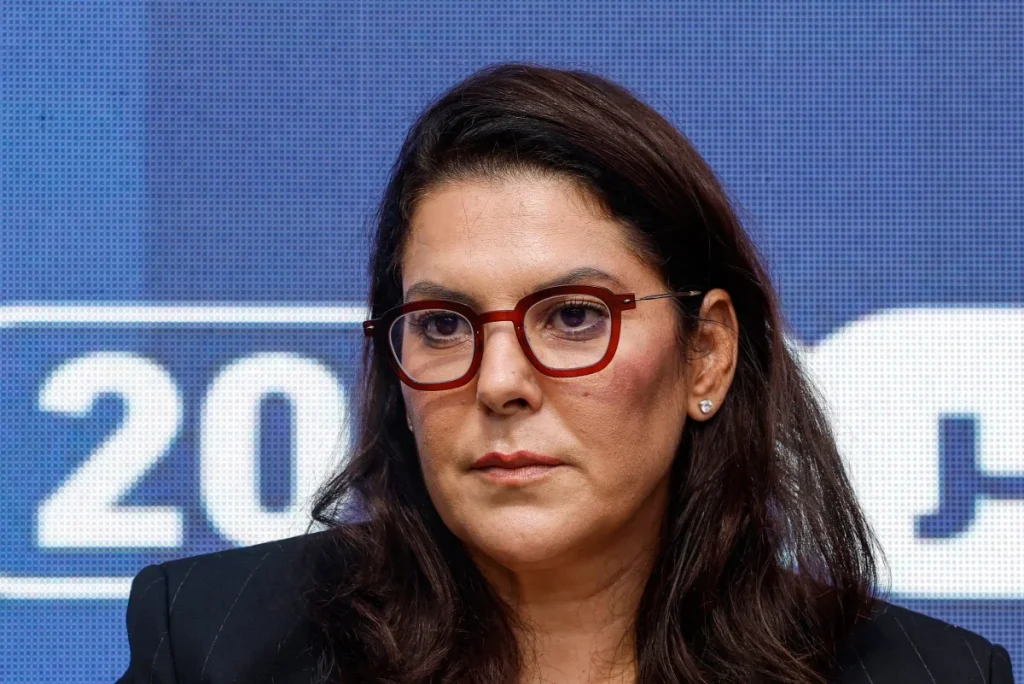
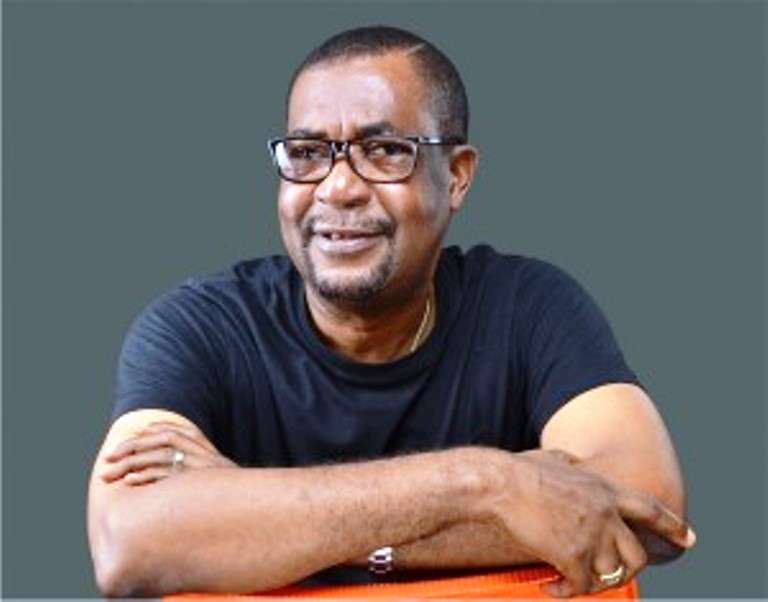
In the information shared by the EFCC, Agunloye’s image was displayed.

The EFCC message read, “Anybody with useful information as to his whereabouts should please contact the Commission in its Benin, Kaduna, Ibadan, Sokoto, Maiduguri, Mardi, Ilorin, Enugu, Kano, Lagos, Gombe, Uyo, Port Harcourt, and Abuja offices or contact 08093322644 or email info@efcc.gov.ng or the nearest police station and any other security agencies.”

In 2016, Agunloye joined the Social Democratic Party and became the party’s candidate in the state governorship election.

You May Like

One thought on “Ex-power minister, Agunloye, declared wanted by EFCC

Leave a Reply

Your email address will not be published. Required fields are marked *

Most Popular

Must Read

Floodwaters covering residential streets in Lagos as residents wade through flooded roads following heavy rainfall.

Lagos floods submerge homes, trigger power outage after heavy rain

Hours of heavy rainfall on Tuesday caused widespread flooding across several parts of Lagos State, leaving homes and roads submerged, disrupting traffic and cutting electricity supply in some communities after key power infrastructure was affected.   According to Punch, floodwaters inundated areas including FESTAC, Gbagada, Ikeja, Ajah, Evans, Olushi, Anikantamo and Adeniji Adele, with residents forced to wade through flooded streets while motorists struggled to navigate waterlogged roads. In Ikeja, floodwaters entered homes and shops, prompting some residents to temporarily relocate over fears that conditions could worsen. Many blamed the recurring flooding on blocked drainage systems, poor road construction and inadequate drainage infrastructure. Resident Abidemi Raji alleged that a drainage channel linking his area to another street had been blocked following the construction of a hotel, worsening the flooding whenever heavy rain falls. In FESTAC, residents described the flooding as a recurring problem that disrupts daily activities. Motorists avoided submerged roads to prevent vehicle damage, while many commuters stayed away from flooded routes. The downpour also disrupted electricity supply after floodwaters damaged facilities at the Oworo 132/33kV Transmission Station. Ikeja Electric said severe flooding affected two power transformers and several 33kV feeders supplying communities including Ladilak, Bariga, Oworo, Pedro, Alapere, Agboyi, Araba, Hospital and Gbagada. The electricity distribution company said it is working with the Transmission Company of Nigeria to restore power once the affected facilities are repaired. The flooding extended into neighbouring Ogun State, where residents of Gloryland Estate in Ibafo appealed for urgent government intervention. Community leaders said blocked drainage channels connected to the Lagos-Ibadan Expressway, indiscriminate construction and refuse dumping have worsened annual flooding, damaging homes, disrupting movement and exposing residents to health risks. Meanwhile, Lagos State Governor Babajide Sanwo-Olu has approved the dredging of 28 additional primary drainage channels to strengthen flood control across the state. Commissioner for the Environment and Water Resources Tokunbo Wahab described Tuesday’s rainfall as an extreme weather event that overwhelmed drainage infrastructure, leading to temporary flooding in Victoria Island, Lekki, Ikeja, Gbagada, Mushin, Mafoluku and other communities. He explained that Lagos‘ coastal geography and high tides naturally slow the discharge of stormwater into the sea during intense rainfall, making temporary flooding difficult to avoid. Wahab urged residents to stop dumping refuse into drainage channels, avoid illegal reclamation of wetlands and refrain from building on drainage alignments. He also advised motorists to stay off flooded roads during heavy rainfall and encouraged residents in flood-prone areas to follow official weather advisories and safety guidelines.
Read more

Editor's Pick

Trending News

Newsletter

Enter your email address and receive notifications of news by email.

You have been successfully Subscribed! Ops! Something went wrong, please try again.

© 2026 GongNews. All Rights Reserved.