
/ Jul 01, 2026
/ Jul 01, 2026

80 percent of buildings in Lekki have no approval – Lagos Govt

Published on

By

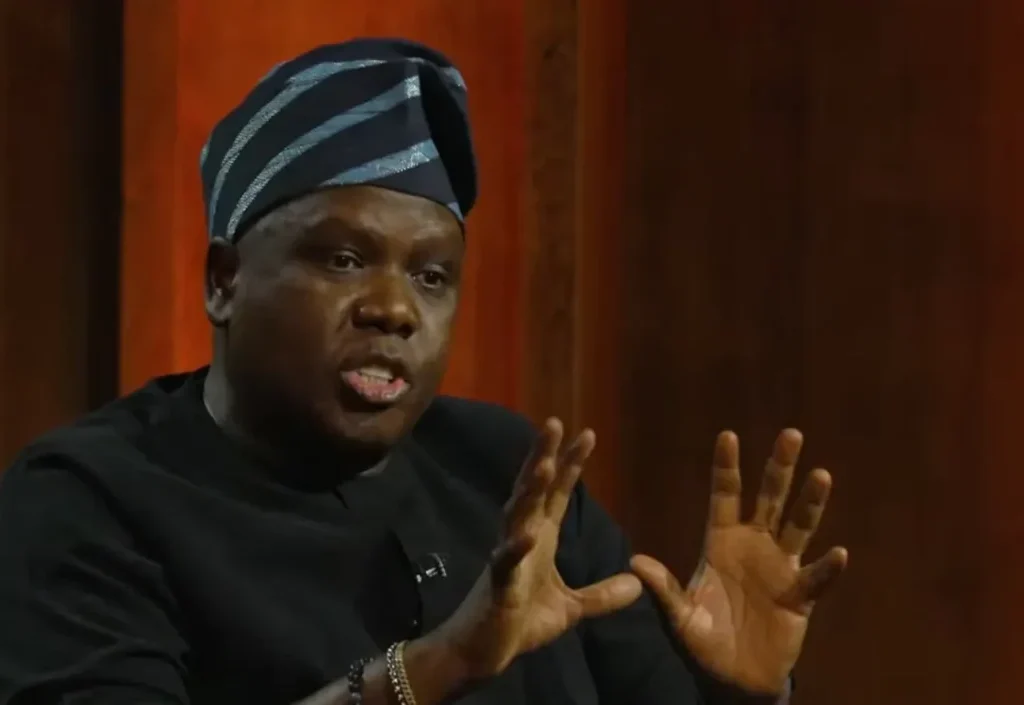
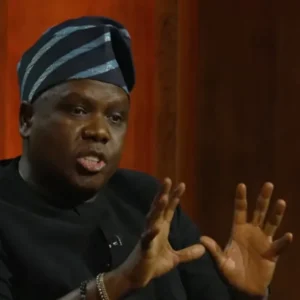
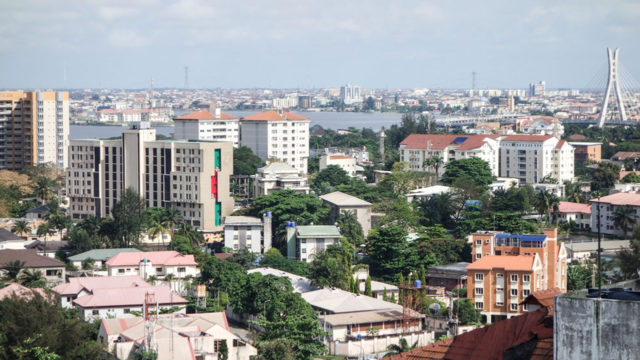
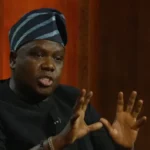
Lagos State Commissioner for Physical Planning and Urban Development, Oluyinka Olumide, has said that 80 percent of buildings in the Ibeju Lekki-Epe have no government approval.

In an interview with journalists, Olumide disclosed that despite the rigorous processes involved in securing government approval, developers and property owners are still circumventing due process.

He said: “Just last week Thursday and Friday, my team and I were in the Ibeju Lekki and Epe axis and you would agree with me that anybody passing through that corridor would see a lot of estates marked. We went there, and I can tell you that from what we saw, over 80 percent of them do not have approval.

Read Also:

Demolition: Property owners on Lagos-Calabar road to get N2.75b compensation

“The procedure to get approval is first to get the planning information, as to what those areas have been zoned for. In this case, what we have is agricultural land, and people now go to their families to buy agricultural land. Of course, those lands would be sold because those families do not know the use such land would be put to.

“The next thing to do is the fence permit. If you missed the earlier information on not knowing the area zoning, at the point of getting the fence permit, you would be able to detect what the area is zoned for. After that, the layout permits a large expense of land follows.”

“So, you can see all these layers, but people still go ahead to start advertising. Some have even gone to the extent of displaying the sizes they want to sell. Imagine someone in the diaspora who wants to send money without any knowledge.

Even if they pass the assignment and the survey to them, we would not grant the individual permit, because that area is not zoned for that purpose,” he said.

Meanwhile, on Sunday, May 5, Lagos Commissioner for Environment, Tokunbo Wahab said owners of recently demolished property in Maryland had been served notices since 2021.

“We are not just doing demolitions. The law allows us to remove encumbrances on the right of way of the drainage channels,” Wahab said on Channels Television.

You May Like

Leave a Reply

Your email address will not be published. Required fields are marked *

Most Popular

Must Read

US President Donald Trump addressing reporters in the White House briefing room during a statement on the US-Iran peace agreement announcement.

Trump loses Supreme Court bid to end US birthright citizenship

The US Supreme Court has rejected President Donald Trump’s attempt to end automatic birthright citizenship, ruling that children born on American soil remain entitled to US citizenship regardless of their parents’ immigration status.   In a 6-3 decision delivered on the final day of its term, the court upheld the long-standing interpretation of the 14th Amendment’s Citizenship Clause, which grants citizenship to nearly everyone born in the United States. The ruling marks another significant legal setback for Trump’s immigration agenda. According to AFP, the case centred on an executive order Trump signed on the first day of his second term, seeking to deny automatic citizenship to children born in the United States to parents who were in the country illegally or on temporary visas. Lower courts had previously blocked the order, finding it inconsistent with the Constitution. Writing for the majority, Chief Justice John Roberts said children born in the United States to parents who are unlawfully or temporarily present are “subject to the jurisdiction” of the country and are therefore citizens at birth under the 14th Amendment. Trump personally attended oral arguments before the Supreme Court in April, an unusual move for a sitting US president. His administration argued that unrestricted birthright citizenship encourages illegal immigration and so-called “birth tourism”, where foreign nationals travel to the United States primarily to give birth. The administration also contended that the 14th Amendment, adopted after the American Civil War, was intended to guarantee citizenship for formerly enslaved people rather than the children of undocumented migrants or temporary visitors. However, the Supreme Court reaffirmed the constitutional interpretation established in the landmark 1898 Wong Kim Ark case. In that ruling, the court held that a man born in San Francisco to Chinese immigrant parents was a US citizen by birth despite later immigration disputes. The latest judgment reinforces that precedent and preserves the constitutional guarantee of birthright citizenship. The decision is the third major defeat for Trump at the Supreme Court this term. Earlier this year, the justices struck down most of his global tariff measures and also blocked his attempt to remove Federal Reserve Governor Lisa Cook.
Read more

Editor's Pick

Trending News

Newsletter

Enter your email address and receive notifications of news by email.

You have been successfully Subscribed! Ops! Something went wrong, please try again.

© 2026 GongNews. All Rights Reserved.