

/ Jul 01, 2026
/ Jul 01, 2026

Nigeria to Demand US Visa Applicants’ Social Media Details in Reciprocity Policy

Published on

By

The federal government says it will reciprocate the United States’ new visa policy, which requires Nigerian visa applicants to provide details of their social media accounts from the past five years.

On Monday, the US mission in Nigeria announced that applicants must disclose usernames or handles across all platforms used within the period. The mission also warned that omitting social media information could result in visa denial and ineligibility for future applications.

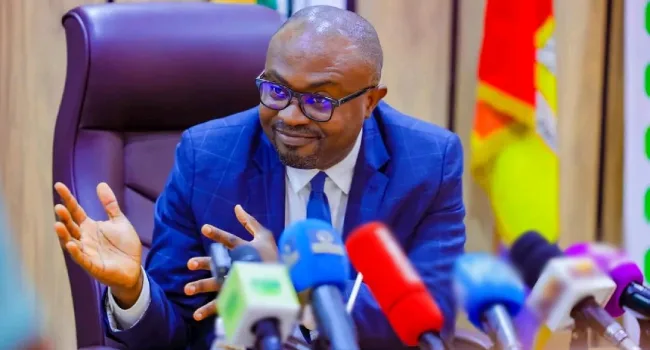
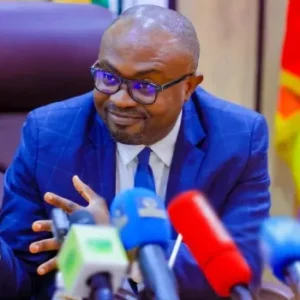
Reacting to the development, Kimiebi Ebienfa, spokesperson of the Ministry of Foreign Affairs, told newsmen that the federal government would respond with reciprocal measures. He explained that the ministry was informed ahead of the US announcement.

“Anything related to visas is reciprocal. What you mandate our nationals to do, we will also mandate your citizens applying for our visas to do,” Ebienfa said.

He added that the federal government would convene an inter-agency meeting involving the Ministry of Foreign Affairs, the Ministry of Interior, and the National Intelligence Agency (NIA) to agree on the best response to the new visa requirements.

“So, the relevant stakeholders will meet and decide on a holistic response,” he said.

Earlier, in June, the US directed international student applicants to make their social media accounts public for vetting. In July, persons applying for F, M, and J non-immigrant visas were asked to adjust their privacy settings to ‘public’ to allow US authorities unrestricted access during background checks.


You May Like

Most Popular

Must Read

Central Bank of Nigeria headquarters as the apex bank directs financial institutions to freeze accounts and assets linked to terrorism financing investigations.

CBN revokes licences of 46 Microfinance Banks over regulatory breaches

The Central Bank of Nigeria (CBN) has revoked the operating licences of 46 microfinance banks across Nigeria over regulatory breaches, in a major move aimed at strengthening financial sector stability.   According to a statement issued on Wednesday by the apex bank’s Acting Director of Corporate Communications, Hakama Sidi-Ali, the revocation took effect from July 1, 2026, following approval by CBN Governor Olayemi Cardoso. Punch reported that the action was taken under Sections 12 and 13 of the Banks and Other Financial Institutions Act, 2020. The CBN said the affected institutions failed to meet key regulatory requirements needed to continue operations as licensed financial institutions. Infractions identified included insufficient assets to cover liabilities, closure of operations without regulatory approval, prolonged inactivity, failure to commence business within 12 months of licensing, and failure to maintain the required minimum capital. The affected lenders include Tier 1, Tier 2 and state microfinance banks operating in Lagos, Kano, Abuja, Abia, Ogun, Kaduna, Niger, Plateau, Rivers, Bayelsa, Benue, Cross River, Delta, Kebbi, Kwara, Ondo, Osun, Oyo and Anambra. Among the affected banks are Gold Microfinance Bank, Creditville Microfinance Bank, Supreme Microfinance Bank, Winview Microfinance Bank, Merchant Microfinance Bank, Safegate Microfinance Bank and NOW NOW Digital Microfinance Bank. Several Kano-based institutions were also affected, including Bompai Microfinance Bank, Minjibir Microfinance Bank, Shanono Microfinance Bank, Sumaila Microfinance Bank, Rimin Gado Microfinance Bank, Sycamore Microfinance Bank, TOFA Microfinance Bank, Kanopoly Microfinance Bank and Esteem Microfinance Bank. The regulator said the move forms part of its broader efforts to protect depositors and ensure compliance with banking regulations. The CBN reaffirmed its commitment to maintaining a safe, sound and resilient financial system, adding that supervisory and regulatory actions would continue where necessary to preserve public confidence. The development comes as the Nigeria Deposit Insurance Corporation recently disclosed that more than 281 million depositors across Nigeria’s banking system remain protected against bank failures. NDIC Managing Director Thompson Sunday said the corporation currently provides deposit insurance coverage across 914 licensed financial institutions, with over 98 per cent of depositors fully insured following the upward review of insurance limits in May 2024.
Read more

Editor's Pick

Trending News

Newsletter

Enter your email address and receive notifications of news by email.

You have been successfully Subscribed! Ops! Something went wrong, please try again.

© 2026 GongNews. All Rights Reserved.