/ May 18, 2026
/ May 18, 2026

Gong

  • All
  • Africa
  • Agriculture
  • Aviation
  • Banking
  • Business
  • Crime
  • Economy
  • Education
  • Entertainment
  • fashion
  • Health
  • Home
  • International
  • lifestyle
  • Metro
  • News
  • Nigeria
  • Politics
  • Religion
  • Security
  • Sport
  • sports
  • Tech
  • Technology
  • World News

Trending

Map of Mali as reports emerge of drone strikes killing civilians in central village wedding gathering

Mali drone strikes kill 10 civilians at traditional wedding gathering

At least 10 civilians were killed in central Mali after military drone strikes hit villagers preparing for a traditional mass wedding, according to reports by AFP published via Channels Television. The attack happened in the Tene locality in the San region on Sunday, turning what residents described as a celebration into mourning. Local sources told AFP that those killed were among villagers making final preparations for the community wedding event. A resident, speaking anonymously to AFP, said 10 young people died in the strike, adding that the village had been expecting a joyful occasion before the tragedy unfolded. Security sources cited by AFP said the military targeted a procession of motorbikes travelling in formation, which may have drawn the attention of surveillance drones. A local elected official also confirmed the death toll, saying the strike hit shortly before the wedding ceremony. The incident comes as Mali’s military government faces growing instability after a wave of coordinated attacks in late April by jihadist groups linked to al-Qaeda and separatist forces. The offensive targeted key northern towns and reportedly killed the country’s defence minister. The violence has intensified around northern regions including Kidal, where separatist groups from the Azawad Liberation Front and allied militants have seized control of several towns. The capital, Bamako, has also reportedly been affected by a blockade. Mali has faced prolonged insecurity since 2012, with armed groups linked to al-Qaeda, the Islamic State, separatist factions and criminal networks fuelling conflict across large parts of the country.
Atiku slams FG's response to South Africa xenophobic attacks

Atiku slams FG’s response to South Africa xenophobic attacks

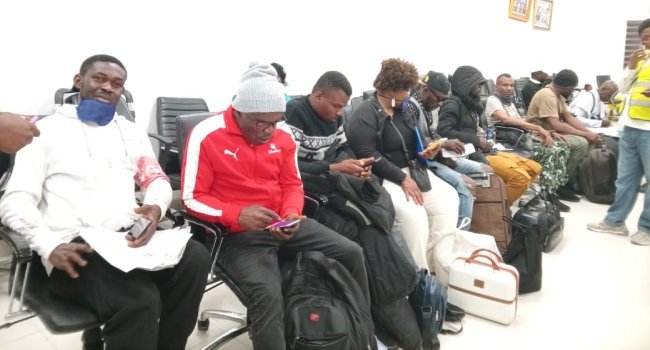
Former Vice President Atiku Abubakar has criticised the federal government’s response to renewed anti-immigrant tensions in South Africa. At least two Nigerians have been killed since anti-foreigner tensions intensified in South Africa last month. In a statement issued on Sunday by Phrank Shaibu, his senior special assistant on public communication, Atiku said it was embarrassing that Nigeria appeared to have been “shamed into action” while smaller African countries moved swiftly to protect their citizens. The former vice president said the government of Ghana had demonstrated urgency by approving the evacuation of more than 300 distressed citizens following the latest wave of xenophobic threats. He said the Nigerian government had been hesitant and reactive despite the country’s diplomatic stature on the continent. “It is deeply troubling that Nigeria, a country that prides itself as the leader of the Black world and the giant of Africa, once again found itself reacting instead of leading in a moment of continental crisis,” the statement reads. “When the first signs of danger emerged, smaller African nations acted with clarity, compassion, and urgency. “Ghana moved decisively. Others issued strong advisories and activated protective mechanisms for their nationals. “But Nigeria, whose citizens have historically borne the brunt of xenophobic violence in South Africa, moved with the lethargy that has become the defining trademark of this administration.” Atiku said the issue was not whether the federal government eventually responded, but whether the response reflected urgency and leadership. “Yes, the government has now spoken. Yes, repatriation talks have been mentioned,” he said. “But the critical question remains: why did it take external pressure and the decisive action of others before Nigeria found its voice? This is not about whether the government eventually responded. “It is about whether that response reflected the urgency, seriousness, and leadership expected of a responsible government. By every objective standard, it did not.” The former vice president said Nigerians in South Africa had endured repeated cycles of intimidation, harassment, and xenophobic hostility for years. “Businesses have been destroyed. Lives have been endangered. Families have lived in fear,” he said. “Yet successive Nigerian responses have followed the same tired script — summon diplomats, issue cautious statements, and retreat into bureaucratic inertia until the next crisis erupts.” Atiku said a government’s primary responsibility is the protection of its citizens. “A government that waits until other nations have taken the lead before acting sends a dangerous signal: that the lives of its citizens are negotiable,” he said. “It is frankly humiliating that Ghana, with far fewer diplomatic resources and citizens abroad, projected stronger leadership and clearer compassion than Nigeria in this moment.” He urged the federal government to issue a strong travel advisory, activate evacuation arrangements for willing Nigerians, and intensify diplomatic engagement with South African authorities. Atiku also called on the African Union to establish a lasting continental framework against xenophobic violence. “Africa cannot continue to preach unity while tolerating periodic persecution of fellow Africans,” he said. “And Nigeria cannot continue to posture as a continental leader while behaving like a reluctant observer.” The former vice president asked the ministry of foreign affairs to demonstrate urgency and competence in handling the situation. Meanwhile, over 130 Nigerians in South Africa have voluntarily registered for repatriation following attacks targeting foreign nationals in the country.
NCDC headquarters as Nigeria confirms no Ebola case and strengthens disease surveillance measures following DR Congo outbreak.

NCDC says no Ebola case in Nigeria as surveillance tightens

Nigeria Centre for Disease Control (NCDC) has assured Nigerians that there is currently no confirmed case of Ebola Virus Disease in the country, while activating emergency surveillance measures amid fresh outbreaks in Central and East Africa. In a public health advisory issued on Sunday, the agency said the country remains free of Ebola, despite rising concerns over confirmed cases in Uganda and the expanding outbreak in Democratic Republic of the Congo. According to the advisory cited by Channels Television, NCDC Director-General Jide Idris said the agency had stepped up surveillance at entry points and across the health system. He said Nigeria was working with the Port Health Service under the Federal Ministry of Health and Social Welfare to monitor the situation and strengthen preparedness against any possible importation of the disease. The agency urged citizens not to spread false information and advised strict adherence to preventive measures, including regular handwashing and avoiding contact with bodily fluids of sick individuals. Health workers across the country were also asked to maintain a high level of alert for patients showing symptoms associated with Ebola, especially those with recent travel history to affected countries. The reassurance came after the World Health Organization declared the current outbreak in DR Congo a public health emergency of international concern. WHO Director-General Tedros Adhanom Ghebreyesus announced the decision following confirmation that the virus had spread to Goma, a major eastern city near the Rwandan border. Authorities in DR Congo said the confirmed case in Goma involved the wife of a man who died from Ebola in Bunia. She reportedly travelled to Goma while already infected. The Africa Centres for Disease Control and Prevention reported that at least 88 people have died, while 336 suspected cases have been recorded in the latest outbreak. Channels Television reported that experts remain concerned because there is currently no approved vaccine for the strain responsible for the latest outbreak.
Police investigate scene after elderly woman was raped and found dead in bush in Badagry, Lagos.

60-year-old woman found dead after alleged rape in Badagry

A 60-year-old woman was found dead in a bush in the Oke Egan area of Badagry after she was allegedly attacked while returning from a church programme, according to a report by Punch Newspapers. The victim, identified as Victoria Adegoke, was discovered early Friday morning in the Ilogbo-Eremi community. Community sources said that she was found unclothed, with signs suggesting she may have been raped before being strangled and dragged into nearby bushland. A local community leader, who spoke anonymously because of the sensitive nature of the case, said Adegoke had attended a programme at The Joy of Christ Ministry and had stayed with a sibling living near the church after the event. He said she was reportedly attacked around 6am while making her way home. Her mobile phone was taken, while her ATM card and Bible were reportedly found at the scene. Another resident said the area, located along the border between Lagos State and Ogun State, has a history of violent crime, adding that several similar incidents have been recorded in the community in recent years. The source said passersby spotted the body and alerted officers at the Ilogbo-Eremi police post. Photographs cited by Punch reportedly showed marks indicating the victim’s hands may have been tied. The spokesperson for the Lagos State Police Command, CSP Abimbola Adebisi, had not responded to calls or a WhatsApp message seeking official comment as of the time Punch published the report. The incident has heightened concerns among residents over security in the border community, with calls for police to track the perpetrators through the victim’s stolen phone.

Must Read

Map of Mali as reports emerge of drone strikes killing civilians in central village wedding gathering

Mali drone strikes kill 10 civilians at traditional wedding gathering

At least 10 civilians were killed in central Mali after military drone strikes hit villagers preparing for a traditional mass wedding, according to reports by AFP published via Channels Television. The attack happened in the Tene locality in the San region on Sunday, turning what residents described as a celebration into mourning. Local sources told AFP that those killed were among villagers making final preparations for the community wedding event. A resident, speaking anonymously to AFP, said 10 young people died in the strike, adding that the village had been expecting a joyful occasion before the tragedy unfolded. Security sources cited by AFP said the military targeted a procession of motorbikes travelling in formation, which may have drawn the attention of surveillance drones. A local elected official also confirmed the death toll, saying the strike hit shortly before the wedding ceremony. The incident comes as Mali’s military government faces growing instability after a wave of coordinated attacks in late April by jihadist groups linked to al-Qaeda and separatist forces. The offensive targeted key northern towns and reportedly killed the country’s defence minister. The violence has intensified around northern regions including Kidal, where separatist groups from the Azawad Liberation Front and allied militants have seized control of several towns. The capital, Bamako, has also reportedly been affected by a blockade. Mali has faced prolonged insecurity since 2012, with armed groups linked to al-Qaeda, the Islamic State, separatist factions and criminal networks fuelling conflict across large parts of the country.
Read more
Map of Mali as reports emerge of drone strikes killing civilians in central village wedding gathering

Mali drone strikes kill 10 civilians at traditional wedding gathering

At least 10 civilians were killed in central Mali after military drone strikes hit villagers preparing for a traditional mass wedding, according to reports by AFP published via Channels Television. The attack happened in the Tene locality in the San region on Sunday, turning what residents described as a celebration into mourning. Local sources told AFP that those killed were among villagers making final preparations for the community wedding event. A resident, speaking anonymously to AFP, said 10 young people died in the strike, adding that the village had been expecting a joyful occasion before the tragedy unfolded. Security sources cited by AFP said the military targeted a procession of motorbikes travelling in formation, which may have drawn the attention of surveillance drones. A local elected official also confirmed the death toll, saying the strike hit shortly before the wedding ceremony. The incident comes as Mali’s military government faces growing instability after a wave of coordinated attacks in late April by jihadist groups linked to al-Qaeda and separatist forces. The offensive targeted key northern towns and reportedly killed the country’s defence minister. The violence has intensified around northern regions including Kidal, where separatist groups from the Azawad Liberation Front and allied militants have seized control of several towns. The capital, Bamako, has also reportedly been affected by a blockade. Mali has faced prolonged insecurity since 2012, with armed groups linked to al-Qaeda, the Islamic State, separatist factions and criminal networks fuelling conflict across large parts of the country.
Atiku slams FG's response to South Africa xenophobic attacks

Atiku slams FG’s response to South Africa xenophobic attacks

Former Vice President Atiku Abubakar has criticised the federal government’s response to renewed anti-immigrant tensions in South Africa. At least two Nigerians have been killed since anti-foreigner tensions intensified in South Africa last month. In a statement issued on Sunday by Phrank Shaibu, his senior special assistant on public communication, Atiku said it was embarrassing that Nigeria appeared to have been “shamed into action” while smaller African countries moved swiftly to protect their citizens. The former vice president said the government of Ghana had demonstrated urgency by approving the evacuation of more than 300 distressed citizens following the latest wave of xenophobic threats. He said the Nigerian government had been hesitant and reactive despite the country’s diplomatic stature on the continent. “It is deeply troubling that Nigeria, a country that prides itself as the leader of the Black world and the giant of Africa, once again found itself reacting instead of leading in a moment of continental crisis,” the statement reads. “When the first signs of danger emerged, smaller African nations acted with clarity, compassion, and urgency. “Ghana moved decisively. Others issued strong advisories and activated protective mechanisms for their nationals. “But Nigeria, whose citizens have historically borne the brunt of xenophobic violence in South Africa, moved with the lethargy that has become the defining trademark of this administration.” Atiku said the issue was not whether the federal government eventually responded, but whether the response reflected urgency and leadership. “Yes, the government has now spoken. Yes, repatriation talks have been mentioned,” he said. “But the critical question remains: why did it take external pressure and the decisive action of others before Nigeria found its voice? This is not about whether the government eventually responded. “It is about whether that response reflected the urgency, seriousness, and leadership expected of a responsible government. By every objective standard, it did not.” The former vice president said Nigerians in South Africa had endured repeated cycles of intimidation, harassment, and xenophobic hostility for years. “Businesses have been destroyed. Lives have been endangered. Families have lived in fear,” he said. “Yet successive Nigerian responses have followed the same tired script — summon diplomats, issue cautious statements, and retreat into bureaucratic inertia until the next crisis erupts.” Atiku said a government’s primary responsibility is the protection of its citizens. “A government that waits until other nations have taken the lead before acting sends a dangerous signal: that the lives of its citizens are negotiable,” he said. “It is frankly humiliating that Ghana, with far fewer diplomatic resources and citizens abroad, projected stronger leadership and clearer compassion than Nigeria in this moment.” He urged the federal government to issue a strong travel advisory, activate evacuation arrangements for willing Nigerians, and intensify diplomatic engagement with South African authorities. Atiku also called on the African Union to establish a lasting continental framework against xenophobic violence. “Africa cannot continue to preach unity while tolerating periodic persecution of fellow Africans,” he said. “And Nigeria cannot continue to posture as a continental leader while behaving like a reluctant observer.” The former vice president asked the ministry of foreign affairs to demonstrate urgency and competence in handling the situation. Meanwhile, over 130 Nigerians in South Africa have voluntarily registered for repatriation following attacks targeting foreign nationals in the country.

Editor's Pick

Trending News

Newsletter

Enter your email address and receive notifications of news by email.

You have been successfully Subscribed! Ops! Something went wrong, please try again.

© 2026 GongNews. All Rights Reserved.