/ Aug 19, 2026
/ Aug 19, 2026

Blog

  • All
  • Africa
  • Agriculture
  • Aviation
  • Banking
  • Business
  • Crime
  • Economy
  • Education
  • Entertainment
  • fashion
  • Health
  • Home
  • International
  • Judiciary
  • lifestyle
  • Metro
  • News
  • Nigeria
  • Politics
  • Religion
  • Security
  • Sport
  • sports
  • Tech
  • Technology
  • World News

Trending

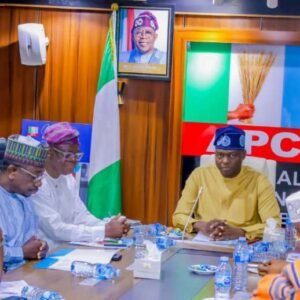
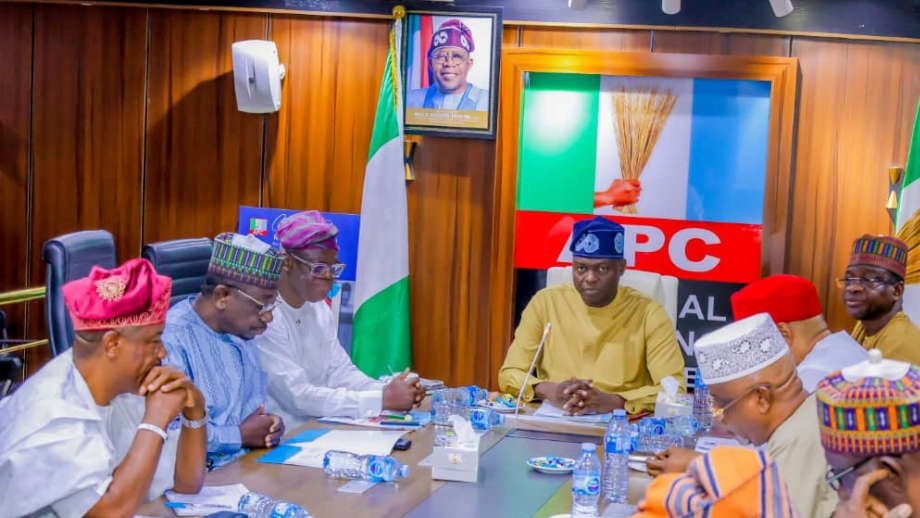
APC primary election timetable for restored constituencies in Delta, Kogi and other Nigerian states.

APC releases primary election timetable for Delta, Kogi, others

The All Progressives Congress (APC) has released its timetable for primary elections in newly restored constituencies across Delta, Kogi, Gombe, Bauchi and Kano states.   The development follows the decision by the Independent National Electoral Commission (INEC) to restore four State House of Assembly constituencies in Delta and Kogi after court judgments directed their restoration. INEC has scheduled the party primaries for the restored constituencies between August 21 and 25, 2026, while elections into the affected constituencies are fixed for September 19. The APC listed Abraka, Isoko North II and Ughelli South II in Delta State, as well as Yagba West II in Kogi State, among the constituencies where its primaries will be conducted. The other constituencies are Gombe/Kwami/Funakaye Federal Constituency in Gombe, Disina and Sakwa State Constituencies in Bauchi, Udu State Constituency in Delta, and Dawakin Kudu State Constituency in Kano. According to the APC timetable, the process began on August 18 and is expected to continue until August 24. Candidates seeking the APC ticket for State House of Assembly seats are required to pay N1 million for the expression of interest form and N5 million for the nomination form. For House of Representatives positions, aspirants will pay N1 million for the expression of interest form and N9 million for the nomination form. Female aspirants, youths and persons living with disabilities are entitled to a 50 per cent discount on nomination forms, while the N1 million expression of interest fee remains unchanged. The timetable comes as political parties begin preparations for the September 19 bye-elections and ahead of the wider 2027 electoral cycle.
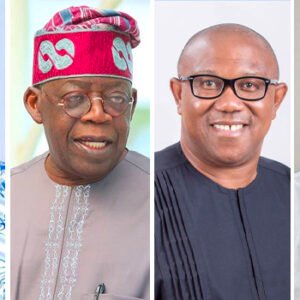
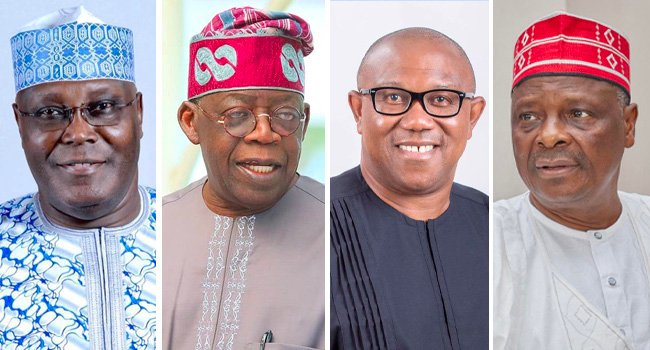
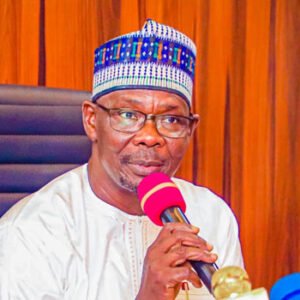
Nasarawa State Governor Abdullahi Sule speaks during an interview on Channels Television's Politics Today, defending the Tinubu-Shettima ticket ahead of the 2027 presidential election.

Election campaigns for 2027 presidential race kick off today

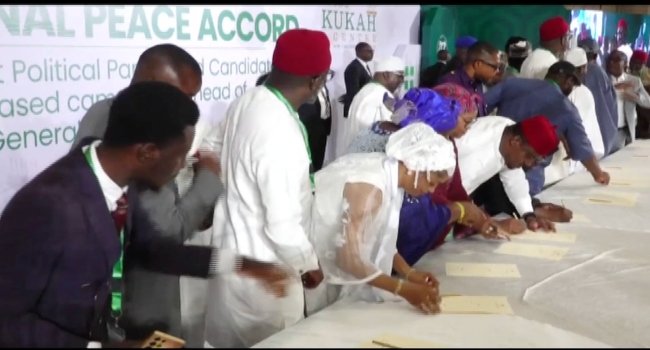
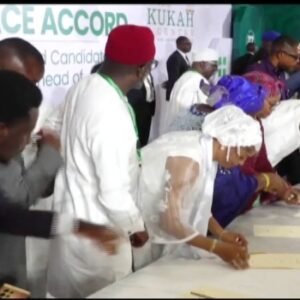
Nigeria’s political parties have officially begun campaigning for the 2027 presidential election, with President Bola Tinubu seeking a second term amid economic pressures, security concerns and a divided opposition.   The campaign season opened on Wednesday, August 19, five months before Nigerians are scheduled to vote on January 16, 2027. The contest is expected to feature a partial rematch of the 2023 presidential election, with Tinubu facing former Anambra State governor Peter Obi, former Vice President Atiku Abubakar and other contenders. Tinubu won the 2023 election with 36.6 per cent of the vote, ahead of Abubakar with 29 per cent and Obi with 25 per cent. Economy, Security Dominate Campaign The economy is expected to be one of the defining issues of the 2027 presidential race. Tinubu’s administration has implemented major economic reforms, including the removal of the petrol subsidy. While the reforms have received praise from economists and investors, they have also contributed to significant cost-of-living pressures. Inflation reached 34 per cent before cooling to 15.4 per cent in July, according to figures cited in the report. Nigeria also continues to face security challenges involving jihadist groups, bandit gangs, farmer-herder conflicts and separatist violence. Afolabi Adekaiyaoja, author of The Bellwether political newsletter, said the economy remained the issue cutting across different parts of the country, with implications for security and development. Opposition Faces Tinubu The opposition enters the campaign period amid internal and legal challenges. Obi, who finished third in the 2023 presidential election, is again seeking the presidency, while Atiku is also returning to the contest. Rabiu Kwankwaso, who secured about six per cent of the vote in 2023, has teamed up with Obi as his running mate. The ruling All Progressives Congress controls the National Assembly and 31 of Nigeria’s 36 governorships, giving Tinubu’s campaign a strong political base. Peace Accord Signed Ahead Of Campaigns The commencement of campaigns follows Tuesday’s signing of the National Peace Accord by several presidential candidates and political actors. Tinubu, Obi, African Action Congress candidate Omoyele Sowore and Peoples Redemption Party candidate Donald Duke were among those represented at the ceremony in Abuja. The accord was organised by the National Peace Committee and is intended to promote peaceful political engagement ahead of the 2027 elections. Obi called for an election in which voters’ choices would count and urged Nigerians not to support candidates or parties that violate the principles of the agreement. Tinubu, represented at the event by Secretary to the Government of the Federation George Akume, praised the peace committee and pointed to the use of technology, including the Bimodal Voter Accreditation System, as evidence of improvements in Nigeria’s electoral process. The 2027 presidential election will take place against the backdrop of widespread economic concerns, security challenges and memories of the low voter turnout recorded in 2023, when only 27 per cent of registered voters participated.
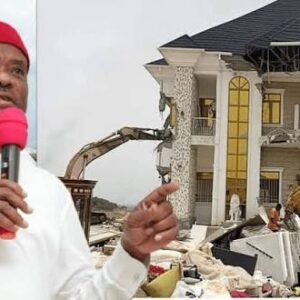
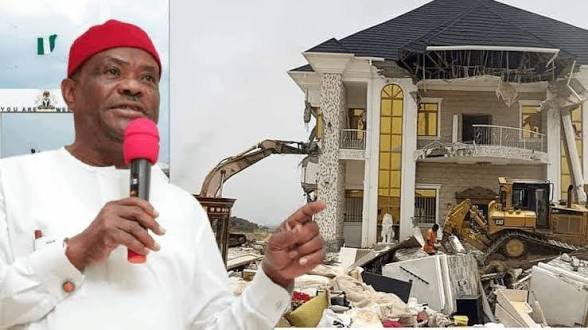
FCT officials demolishing a building obstructing a designated waterway in Maitama, Abuja, on August 18, 2026.

Flood: Election or not, Abuja will demolish houses on drainage ways – Wike

The Minister of the Federal Capital Territory, Nyesom Wike, has ordered the demolition of houses built on drainage channels in Abuja, warning that no property owner will be spared in the enforcement.   Wike announced the decision during a press briefing on Tuesday, August 18, 2026, following recent flooding in parts of the Federal Capital Territory. According to Channels Television, the minister said the flooding had exposed the consequences of developments obstructing designated waterways and drainage channels. He said the affected properties include those belonging to wealthy Nigerians and prominent individuals, dismissing suggestions that the enforcement would target ordinary residents. The FCT Administration has identified buildings obstructing waterways and plans to commence demolitions between Tuesday and Saturday. Wike also rejected claims that the exercise was politically motivated because of the approaching elections. “Election or not,” the minister said, the government would demolish houses obstructing waterways because “the right thing has to be done.” He maintained that political considerations would not prevent the government from enforcing Abuja’s master plan and addressing structures contributing to flooding.
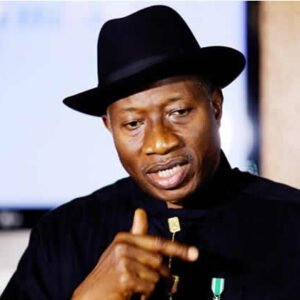
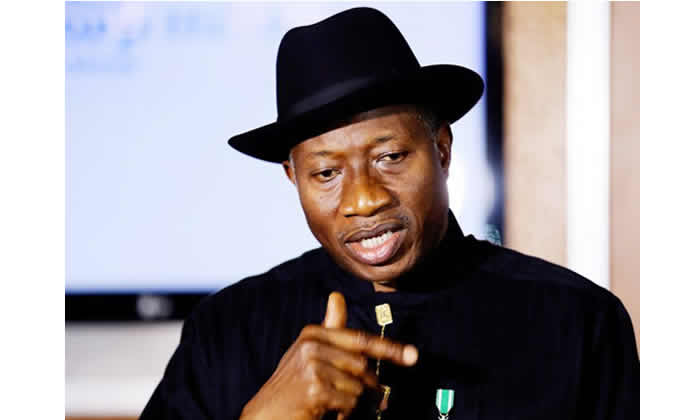
Former President Goodluck Jonathan addressing youth groups in Abuja amid growing calls for him to contest the 2027 presidential election.

Jonathan faults governors’ role in off-cycle elections

Former President Goodluck Jonathan has criticised the growing presence of serving governors, senior political officeholders and party leaders in states holding off-cycle elections, warning that the practice could undermine Nigeria’s democracy.   Jonathan raised the concern on Tuesday, August 18, days after the governorship election in Osun State. He described the mobilisation of political heavyweights, aides and security personnel from outside the affected states as an “unwholesome” emerging trend. According to the former president, the conduct witnessed during recent elections in Osun, Ekiti and Ondo states was unusual and should not become normal in a democratic society. Jonathan recalled that similar developments occurred during the 2013 Anambra and 2014 Ekiti governorship elections when he was president. He said that, after receiving briefings on the situation at the time, he ordered party leaders and senior government officials to leave the states. He said political parties have the right to campaign, mobilise supporters and deploy legitimate party structures, but warned that the overwhelming presence of serving governors, senior public officials and powerful political actors on election day could create an atmosphere of apprehension, intimidation and undue pressure. Jonathan also questioned whether the growing deployment of political power and large-scale mobilisation by senior officeholders during off-cycle elections was consistent with free, fair and peaceful democratic competition. He warned that if the trend continues, governors from opposing parties could begin matching one another’s political and governmental influence whenever elections are held. “Such a development would not strengthen our democracy,” Jonathan said, warning that it could deepen political tensions and make elections resemble battles for political survival rather than peaceful contests for the people’s mandate. The former president’s comments come as political activities intensify ahead of the 2027 general elections.

Must Read

APC primary election timetable for restored constituencies in Delta, Kogi and other Nigerian states.

APC releases primary election timetable for Delta, Kogi, others

The All Progressives Congress (APC) has released its timetable for primary elections in newly restored constituencies across Delta, Kogi, Gombe, Bauchi and Kano states.   The development follows the decision by the Independent National Electoral Commission (INEC) to restore four State House of Assembly constituencies in Delta and Kogi after court judgments directed their restoration. INEC has scheduled the party primaries for the restored constituencies between August 21 and 25, 2026, while elections into the affected constituencies are fixed for September 19. The APC listed Abraka, Isoko North II and Ughelli South II in Delta State, as well as Yagba West II in Kogi State, among the constituencies where its primaries will be conducted. The other constituencies are Gombe/Kwami/Funakaye Federal Constituency in Gombe, Disina and Sakwa State Constituencies in Bauchi, Udu State Constituency in Delta, and Dawakin Kudu State Constituency in Kano. According to the APC timetable, the process began on August 18 and is expected to continue until August 24. Candidates seeking the APC ticket for State House of Assembly seats are required to pay N1 million for the expression of interest form and N5 million for the nomination form. For House of Representatives positions, aspirants will pay N1 million for the expression of interest form and N9 million for the nomination form. Female aspirants, youths and persons living with disabilities are entitled to a 50 per cent discount on nomination forms, while the N1 million expression of interest fee remains unchanged. The timetable comes as political parties begin preparations for the September 19 bye-elections and ahead of the wider 2027 electoral cycle.
Read more
APC primary election timetable for restored constituencies in Delta, Kogi and other Nigerian states.

APC releases primary election timetable for Delta, Kogi, others

The All Progressives Congress (APC) has released its timetable for primary elections in newly restored constituencies across Delta, Kogi, Gombe, Bauchi and Kano states.   The development follows the decision by the Independent National Electoral Commission (INEC) to restore four State House of Assembly constituencies in Delta and Kogi after court judgments directed their restoration. INEC has scheduled the party primaries for the restored constituencies between August 21 and 25, 2026, while elections into the affected constituencies are fixed for September 19. The APC listed Abraka, Isoko North II and Ughelli South II in Delta State, as well as Yagba West II in Kogi State, among the constituencies where its primaries will be conducted. The other constituencies are Gombe/Kwami/Funakaye Federal Constituency in Gombe, Disina and Sakwa State Constituencies in Bauchi, Udu State Constituency in Delta, and Dawakin Kudu State Constituency in Kano. According to the APC timetable, the process began on August 18 and is expected to continue until August 24. Candidates seeking the APC ticket for State House of Assembly seats are required to pay N1 million for the expression of interest form and N5 million for the nomination form. For House of Representatives positions, aspirants will pay N1 million for the expression of interest form and N9 million for the nomination form. Female aspirants, youths and persons living with disabilities are entitled to a 50 per cent discount on nomination forms, while the N1 million expression of interest fee remains unchanged. The timetable comes as political parties begin preparations for the September 19 bye-elections and ahead of the wider 2027 electoral cycle.
Nasarawa State Governor Abdullahi Sule speaks during an interview on Channels Television's Politics Today, defending the Tinubu-Shettima ticket ahead of the 2027 presidential election.

Election campaigns for 2027 presidential race kick off today

Nigeria’s political parties have officially begun campaigning for the 2027 presidential election, with President Bola Tinubu seeking a second term amid economic pressures, security concerns and a divided opposition.   The campaign season opened on Wednesday, August 19, five months before Nigerians are scheduled to vote on January 16, 2027. The contest is expected to feature a partial rematch of the 2023 presidential election, with Tinubu facing former Anambra State governor Peter Obi, former Vice President Atiku Abubakar and other contenders. Tinubu won the 2023 election with 36.6 per cent of the vote, ahead of Abubakar with 29 per cent and Obi with 25 per cent. Economy, Security Dominate Campaign The economy is expected to be one of the defining issues of the 2027 presidential race. Tinubu’s administration has implemented major economic reforms, including the removal of the petrol subsidy. While the reforms have received praise from economists and investors, they have also contributed to significant cost-of-living pressures. Inflation reached 34 per cent before cooling to 15.4 per cent in July, according to figures cited in the report. Nigeria also continues to face security challenges involving jihadist groups, bandit gangs, farmer-herder conflicts and separatist violence. Afolabi Adekaiyaoja, author of The Bellwether political newsletter, said the economy remained the issue cutting across different parts of the country, with implications for security and development. Opposition Faces Tinubu The opposition enters the campaign period amid internal and legal challenges. Obi, who finished third in the 2023 presidential election, is again seeking the presidency, while Atiku is also returning to the contest. Rabiu Kwankwaso, who secured about six per cent of the vote in 2023, has teamed up with Obi as his running mate. The ruling All Progressives Congress controls the National Assembly and 31 of Nigeria’s 36 governorships, giving Tinubu’s campaign a strong political base. Peace Accord Signed Ahead Of Campaigns The commencement of campaigns follows Tuesday’s signing of the National Peace Accord by several presidential candidates and political actors. Tinubu, Obi, African Action Congress candidate Omoyele Sowore and Peoples Redemption Party candidate Donald Duke were among those represented at the ceremony in Abuja. The accord was organised by the National Peace Committee and is intended to promote peaceful political engagement ahead of the 2027 elections. Obi called for an election in which voters’ choices would count and urged Nigerians not to support candidates or parties that violate the principles of the agreement. Tinubu, represented at the event by Secretary to the Government of the Federation George Akume, praised the peace committee and pointed to the use of technology, including the Bimodal Voter Accreditation System, as evidence of improvements in Nigeria’s electoral process. The 2027 presidential election will take place against the backdrop of widespread economic concerns, security challenges and memories of the low voter turnout recorded in 2023, when only 27 per cent of registered voters participated.

Editor's Pick

Trending News

Newsletter

Enter your email address and receive notifications of news by email.

You have been successfully Subscribed! Ops! Something went wrong, please try again.

© 2026 GongNews. All Rights Reserved.