/ Oct 09, 2026
/ Oct 09, 2026

News

  • All
  • Africa
  • Agriculture
  • Aviation
  • Banking
  • Business
  • Crime
  • Economy
  • Education
  • Entertainment
  • fashion
  • Health
  • Home
  • International
  • Judiciary
  • lifestyle
  • Metro
  • News
  • Nigeria
  • Opinions
  • Politics
  • Religion
  • Security
  • Sport
  • sports
  • Tech
  • Technology
  • World News
Mmesoma and JAMB trade words over result

July 4, 2023

The Joint Admissions and Matriculation Board, JAMB, has slammed a three-year ban on Miss Mmesoma Ejikeme, who is embroiled in the controversy of who scored the highest mark in this...

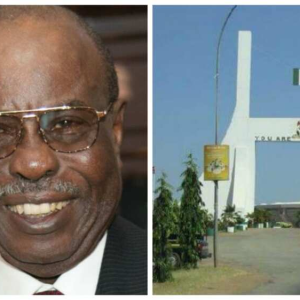
First FCT minister, Ajose-Adeogun, dies at 96

July 4, 2023

The first Federal Capital Territory Minister (FCT), Chief Mobolaji Ajose-Adeogun, is dead. Ajose-Adeogun, aged 96, according to report, died on Saturday, July 1. A member of the family, Oluremi Ajose-Adeogun,...

Twitter: Elon Musk announces new policy

July 1, 2023

Chairman of social media platform Twitter, Elon Musk has announced new twitter policies for users, following complaints of the app crashing earlier today. The new policy Elon says ” will...

Trending

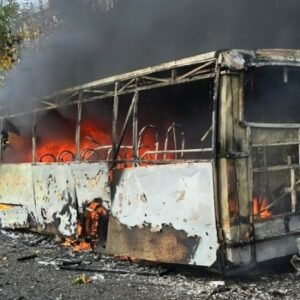
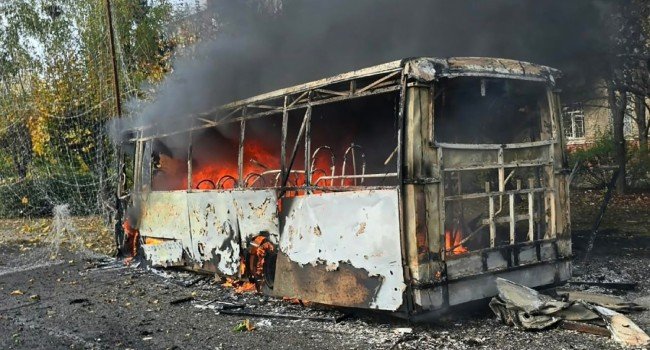
Burnt-out passenger bus after a Russian strike in Kramatorsk, eastern Ukraine, on October 8, 2026.

30 civilians killed as Russian strike hits buses in Ukraine

At least 30 people have been killed after two passenger buses were struck by a Russian glide bomb in Kramatorsk, a frontline city in eastern Ukraine, prompting President Volodymyr Zelensky to vow that the attack would not go unanswered.   Ukrainian authorities accused Russia of deliberately targeting civilians in Thursday’s attack, October 8, describing it as one of the deadliest single strikes in recent weeks. Photographs released by local authorities showed the burnt-out remains of the buses, with debris and bodies scattered across the road. Zelensky warned that the death toll could rise and called on the international community to respond to the attack. “Russia is trying to destroy all life in (the) Donbas (region) and the world must respond to this,” he wrote on Telegram. Police said the buses were hit by a glide bomb, while emergency services reported that three additional people were killed in shelling in a nearby village. The attack came a day after a Russian missile strike destroyed a five-storey apartment building in Pryluky, in northern Ukraine’s Chernihiv region. The earlier strike reportedly killed 22 people, including five children. Ukraine Accuses Russia of Targeting Civilians Donetsk Governor Vadym Filashkin accused Russian forces of deliberately targeting civilians and disregarding international humanitarian law. Kramatorsk City Council also condemned the attack, describing it as another crime against the civilian population. The council said the location had no military targets, although the city has served as an important logistics and supply hub for Ukraine’s military throughout the conflict. Kramatorsk, which had a pre-war population of approximately 150,000, remains one of the key cities in the eastern Donetsk region that Russian forces have yet to capture. The city forms part of Ukraine’s so-called fortress belt, a network of strategically important locations that Ukrainian troops are fighting to retain. Civilian Deaths Mount as Attacks Intensify The latest casualties have renewed concerns about the growing toll on civilians as Russia and Ukraine intensify long-range attacks during the conflict, which began with Russia’s full-scale invasion in February 2022. The United Nations has verified more than 17,000 civilian deaths since the invasion, while warning that the actual figure is considerably higher. British Foreign Secretary Ed Miliband, who visited the site of the Pryluky attack on Thursday, accused Russian President Vladimir Putin of pursuing a strategy of terrorising civilians. His remarks came as the United Kingdom announced additional sanctions against Moscow. Zelensky also urged the United States to increase pressure on Russia, including by supplying Ukraine with improved air defence systems, to push Putin towards negotiations. Kyiv Faces Worsening Security Situation Ukraine’s capital, Kyiv, has also experienced increasingly intense attacks, including a barrage of Russian ballistic and cruise missiles and fast-moving, jet-powered drones on Wednesday. Kyiv Mayor Vitali Klitschko said three people were killed and 14 injured in the capital on Thursday. Key transport bridges, railway infrastructure and parts of the energy network have also come under attack. Klitschko warned that Kyiv, which had been relatively spared from the destruction experienced in frontline areas during the early years of the war, needed to prepare for worsening security conditions. Meanwhile, Russian forces have advanced towards the eastern outskirts of Kramatorsk, prompting calls for civilians remaining in the area to relocate to safer parts of Ukraine. Following Thursday’s attack, Filashkin ordered the suspension of public transport in Kramatorsk and neighbouring Sloviansk, citing a sharp deterioration in security. Ukraine launched a counter-offensive against Russian forces around Lyman, north of Kramatorsk and Sloviansk, last month. Ukrainian authorities reported some success in regaining pockets of territory.
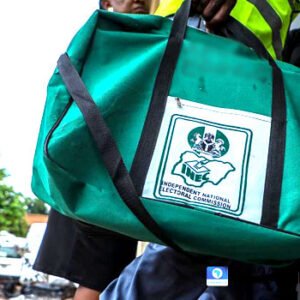
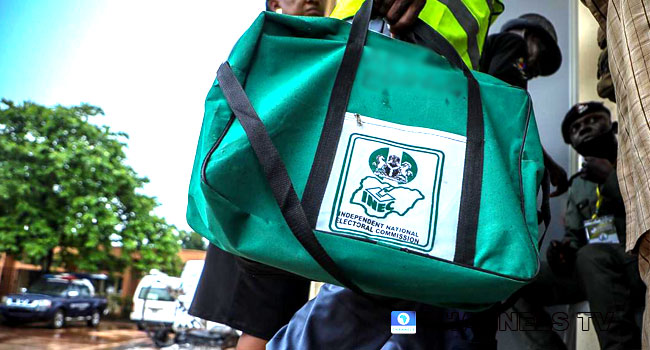
INEC officials and security personnel preparing election materials ahead of the Ekiti State governorship election.

2027 elections: INEC begins PVC distribution, voter register display

The Independent National Electoral Commission (INEC) has commenced the display of the preliminary register of voters and distribution of Permanent Voter Cards (PVCs) ahead of Nigeria’s 2027 general elections.   The seven-day exercise runs from October 9 to October 15, 2026, giving registered voters the opportunity to verify their details, submit claims and objections, and collect PVCs from the first phase of the Continuous Voter Registration (CVR) exercise conducted between August and December 2025. According to a report by The Punch, INEC officials in Plateau and Sokoto states announced that the exercise would take place at Registration Area centres across the states. In Plateau State, Resident Electoral Commissioner Professor Sam Egwu said the exercise would run simultaneously across all 207 Registration Areas from 9 am to 3 pm daily, including weekends. Egwu said the exercise was being conducted in accordance with Section 19(1) of the Electoral Act 2026, which requires the commission to display the voter register at least 90 days before the general elections. He urged registered voters to check their names, photographs, dates of birth, polling units and other registration details to ensure the accuracy of the register. The commission also confirmed that PVCs from the first phase of the CVR exercise, conducted between August 18 and December 10, 2025, would be available for collection during the exercise. PVC Collection in Sokoto In Sokoto State, Resident Electoral Commissioner Umar Garba said the exercise formed part of INEC’s preparations for the 2027 general elections. Speaking at the Nigeria Union of Journalists Press Centre, Garba reiterated the commission’s commitment to ensuring that eligible voters could verify their registration details and collect their PVCs. He explained that PVCs relating to lost or damaged cards, transfers, updates and registrations from the second and third phases of the CVR exercise were not yet ready for collection. Garba said INEC would announce when those cards became available. He added that PVC collection would continue at INEC offices across Sokoto’s 23 local government areas after the exercise at Registration Area centres ends on October 15. The arrangement, he said, would allow eligible voters who could not collect their cards at the designated centres to do so at the local government offices. INEC Addresses Security and Displaced Voters Garba said INEC had continued to work with security agencies throughout the voter registration process to ensure a safe exercise. He also disclosed that the commission was engaging security agencies to establish the number of internally displaced persons in Sokoto State and determine how they could participate in the 2027 elections. According to him, INEC was working to ensure that displaced persons in officially recognised camps could exercise their voting rights. The REC added that the commission would announce the total number of registered voters in Sokoto State at the appropriate time. The ongoing display of the preliminary voter register provides registered Nigerians with an opportunity to identify errors and raise objections before the register is finalised for the 2027 general elections.

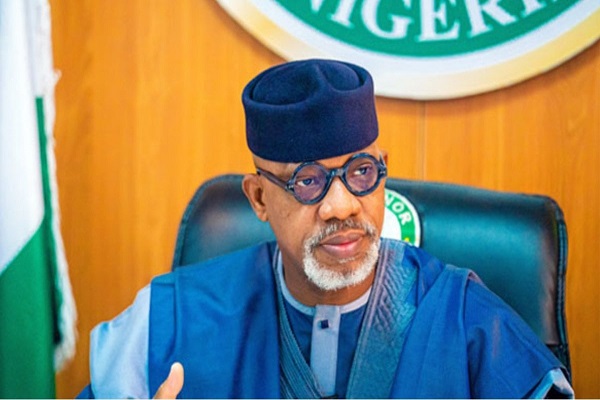
State Police: Nigeria needs 554,353 officers, says Abiodun

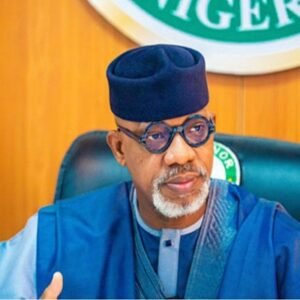
Nigeria needs an additional 554,353 personnel to adequately staff the proposed state police system, Ogun State Governor Dapo Abiodun has said, calling for a sustainable funding arrangement to ensure all states can participate in the reform.   Abiodun, who chairs the Southern Governors’ Forum, made the disclosure on Thursday while delivering the keynote address at a colloquium marking the posthumous 70th birthday of former Ondo State Governor Rotimi Akeredolu at the International Conference Centre, University of Ibadan, Oyo State. According to a report by PUNCH, the governor described state policing as a national security priority, arguing that Nigeria could no longer rely on a system in which policing responsibilities were largely centralised at the federal level. He said data from the Nigeria Governors’ Forum, based on the United Nations benchmark of one police officer to every 414 citizens, indicated that the country would require 554,353 additional personnel. The proposed recruitment would translate to approximately 184,784 officers annually over three years. “The debate is no longer whether Nigeria needs state police, but how swiftly and sustainably we establish it,” Abiodun said. Abiodun Warns Against Funding Inequality The Ogun governor warned that differences in states’ revenue-generating capacities could undermine the proposed state police system without an effective funding mechanism. He noted that Lagos, Rivers, the Federal Capital Territory, Ogun and Enugu accounted for 61.6 per cent of internally generated revenue, while 76 per cent of states generated below the national average of ₦13,600 per capita. He added that half of the states earned less than ₦6,334 per capita. Abiodun argued that states with limited financial resources should not be left without adequate security capacity, warning that insecurity in one state could have consequences for the entire country. He therefore proposed a constitutional state police take-off fund featuring equal-access grants, needs-based financial support and disbursements tied to established standards. The governor also disclosed that a Presidential Working Group was developing operational plans, financial models, accountability mechanisms and legislative oversight arrangements for the proposed system. These frameworks would cover recruitment, training, governance and procedures for addressing abuses. Recruitment, Training and Accountability Abiodun stressed that recruitment into state police forces must be transparent, properly vetted and representative of the communities they serve. He said officers should receive training in investigations, evidence handling, lawful arrest, conflict management, proportionate use of force and the protection of vulnerable people. The governor also warned against political interference, insisting that police protection must be available to everyone regardless of political affiliation. He specifically mentioned political opponents, journalists, peaceful protesters and minority communities as groups entitled to equal protection under the law. Abiodun called for improved personnel welfare, including regular salaries, adequate equipment, medical care, insurance and reliable support for officers’ families. He maintained that welfare, discipline and accountability must develop together, while funding arrangements should cover salaries, training, maintenance, communications, investigations and equipment replacement. He further cautioned against allowing private interests to influence police operations, saying contributions from private individuals and organisations must operate under clear rules and public accountability. State Police Linked to Economic Growth Abiodun argued that effective policing was essential not only for public safety but also for economic development. He said insecurity threatened foreign investment, agricultural production and infrastructure development, making improved security a priority for Nigeria’s economic ambitions. “We cannot build a $1 trillion economy on fragile security,” he said, adding that investors would be reluctant to commit funds where security risks remained high. The governor also credited Akeredolu with helping to advance the state policing debate through regional security cooperation. He recalled the late governor’s role in establishing the Western Nigeria Security Network, popularly known as Amotekun, on 9 January 2020. Aiyedatiwa, Fayemi Pay Tribute to Akeredolu Ondo State Governor Lucky Aiyedatiwa said Akeredolu’s advocacy for state police had progressed from a regional campaign to a central issue in Nigeria’s national policy and constitutional discussions. Aiyedatiwa, who served as Akeredolu’s deputy before succeeding him as governor, said the late leader viewed public office as an opportunity to serve rather than a symbol of status. He described Amotekun as an example of how communities closest to security challenges could play a meaningful role in protecting themselves. Aiyedatiwa said Nigeria must establish a state policing system that was responsive, professional and accountable while protecting citizens from potential abuses. Former Ekiti State Governor Kayode Fayemi also paid tribute to Akeredolu, praising his commitment to justice, courage and a decentralised security structure. Fayemi said Akeredolu’s contribution to the South-West extended beyond establishing a security outfit, noting that his advocacy demonstrated how regional cooperation could help states address shared challenges. Meanwhile, Director-General of the DAWN Commission, Seye Oyeleye, called for the state policing debate to move from commemoration to implementation. He said the central questions now concerned how the system would be funded, staffed, equipped and regulated, as well as how authorities would prevent political interference and ensure accountability. Oyeleye maintained that state policing was a national issue rooted in Nigeria’s federal structure and security challenges, rather than an agenda belonging to a particular region or ethnic group.
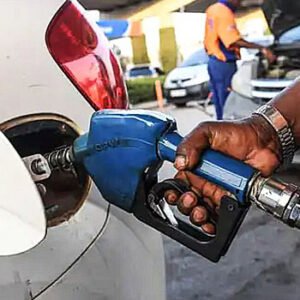
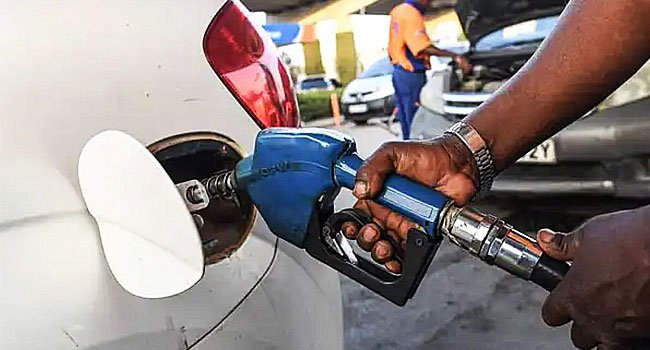
Fuel attendant dispensing petrol into a vehicle at a filling station in Nigeria as PETROAN calls for lower fuel prices following a decline in global crude oil prices.

FG’s 30-day petrol discount faces opposition backlash

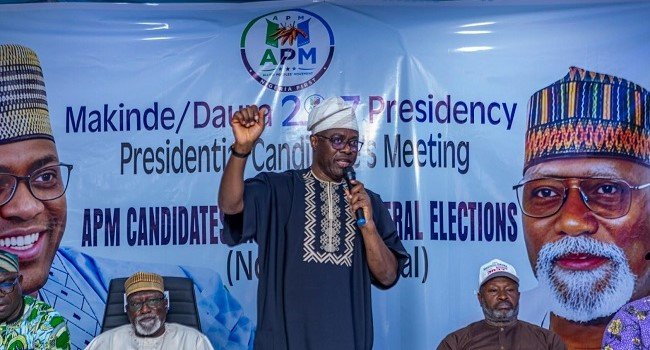
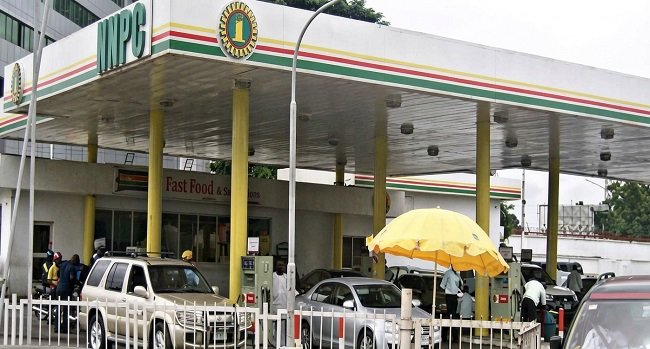
The Federal Government’s proposed 30-day petrol discount has triggered criticism from opposition figures and political groups, who argue that the intervention offers inadequate relief to Nigerians struggling with rising fuel prices and living costs.   Former Vice-President Atiku Abubakar, the Obidient Movement, the Nigeria Democratic Congress (NDC) and the presidential campaign organisation of Oyo State Governor Seyi Makinde have questioned the timing, sustainability and potential impact of the initiative. The criticism followed Thursday’s announcement that the Nigerian National Petroleum Company Limited (NNPC) would temporarily forgo its retail profit margin to sell petrol at a discounted price, with priority given to public transport operators. The Federal Government said the measure was intended to cushion households against global crude oil price fluctuations without reinstating the petrol subsidy removed in May 2023. Atiku describes petrol discount as publicity stunt Atiku rejected the intervention, describing it as a politically motivated measure that would provide only temporary relief while leaving Nigerians exposed to persistently high petrol prices. In a statement issued by the Director of Strategic Communication of the African Democratic Congress Presidential Campaign Council, Phrank Shaibu, the former vice-president questioned what would happen when the 30-day period expired. He argued that Nigerians would continue to face high transport fares and rising food prices after the discount ended. Atiku also questioned why the discount would be limited to NNPC filling stations and whether commercial transport operators would pass the savings on to passengers. He maintained that the government should adopt a sustainable approach to reducing petrol prices, reiterating his proposal for capped and budgeted production support for locally refined petroleum products. According to him, any intervention should include safeguards to ensure that consumers benefit directly. Obidient Movement questions timing The Obidient Movement also criticised the initiative, questioning why the government had waited more than three years after removing the petrol subsidy before introducing the temporary discount. In a statement signed by its Director of Media and Communications, Onyeka Dike, the movement suggested that the approaching 2027 general elections could have influenced the timing of the announcement. Dike argued that Nigerians had endured rising petrol prices, taxes, tuition fees and food costs since the subsidy was removed. The movement urged the government to prioritise lasting access to affordable fuel, food and education rather than relying on temporary interventions. It maintained that a 30-day discount would not erase the economic difficulties Nigerians had experienced over the preceding three years. NDC, Makinde’s camp fault proposed relief The Nigeria Democratic Congress described the intervention as tokenism, arguing that it would not adequately address the economic consequences of subsidy removal. The party’s National Publicity Secretary, Osa Director, questioned whether NNPC filling stations could serve enough Nigerians to make the discount effective nationwide. He also warned that concentrating demand at the company’s outlets could lead to congestion and other difficulties. The party called for broader economic measures to address the effects of high petrol prices on businesses, employment and household spending. Similarly, the Allied Peoples Movement Presidential Campaign Organisation associated with Makinde criticised the proposed discount, describing it as inadequate. In a statement issued by its Director of Strategic Communications, Richard Ihediwa, the organisation cited a proposed N60-per-litre reduction and argued that the amount was insignificant compared with previous increases in petrol prices. It also questioned the decision to restrict the intervention to NNPC-owned retail outlets for just one month. The organisation argued that Nigerians needed a substantial and sustainable reduction in petrol prices rather than a temporary measure introduced ahead of the 2027 elections. Presidency insists discount is not subsidy The Presidency defended the initiative, insisting that it would not amount to a return to the petrol subsidy regime. In a statement signed by the Special Adviser to the President on Information and Strategy, Bayo Onanuga, the government said NNPC Retail would implement the arrangement within 30 days. Under the plan, NNPC would sell petrol at its landing cost by temporarily foregoing its retail profit margin. The Presidency explained that if the company’s landing cost was N1,300 per litre, it would sell the product at that price rather than add a retail profit margin. The government also disclosed that it was negotiating a ceiling of N1,350 per litre on petrol’s ex-gantry or landing cost to reduce sharp price fluctuations. Under the proposed arrangement, refiners and importers would bear costs above the ceiling and recover the shortfall later when crude oil prices or exchange rates improved. Finance Minister Taiwo Oyedele said the arrangement was intended to smooth price fluctuations rather than suppress market prices. The government said the proposed ceiling would be reviewed monthly, with figures published to promote transparency. FG outlines additional measures Beyond the petrol discount, the Federal Government announced several measures intended to ease the cost of living and reduce transport and logistics expenses. These include increased funding for cash transfers to vulnerable households, subsidised credit for small businesses and consumers, and expanded deployment of compressed natural gas (CNG). The government said CNG was between 60 and 70 per cent cheaper than petrol and expected transport operators to pass the savings on to passengers through lower fares. It also said it was working with state governments and security agencies to address multiple taxation and unauthorised road levies that increase transport costs. Other proposed measures include additional tax relief for low-income earners under the 2027 Finance Bill and the possible introduction of an excess-profit tax for operators found to have taken undue advantage of consumers. According to the Presidency, proceeds from any such tax would be used to support fuel prices through transport assistance or vouchers for urban minimum-wage earners. The government also said it would sell crude oil forward to domestic refineries to help shield petrol prices from global market volatility. Energy experts divided over intervention Energy experts expressed mixed views on the proposed measures, with some welcoming the potential relief while others warned about the financial risks and the need for transparency. Jeremiah Olatide, Chief Executive Officer of PetroleumPrice.ng, described the discount as a positive development...

Must Read

Burnt-out passenger bus after a Russian strike in Kramatorsk, eastern Ukraine, on October 8, 2026.

30 civilians killed as Russian strike hits buses in Ukraine

At least 30 people have been killed after two passenger buses were struck by a Russian glide bomb in Kramatorsk, a frontline city in eastern Ukraine, prompting President Volodymyr Zelensky to vow that the attack would not go unanswered.   Ukrainian authorities accused Russia of deliberately targeting civilians in Thursday’s attack, October 8, describing it as one of the deadliest single strikes in recent weeks. Photographs released by local authorities showed the burnt-out remains of the buses, with debris and bodies scattered across the road. Zelensky warned that the death toll could rise and called on the international community to respond to the attack. “Russia is trying to destroy all life in (the) Donbas (region) and the world must respond to this,” he wrote on Telegram. Police said the buses were hit by a glide bomb, while emergency services reported that three additional people were killed in shelling in a nearby village. The attack came a day after a Russian missile strike destroyed a five-storey apartment building in Pryluky, in northern Ukraine’s Chernihiv region. The earlier strike reportedly killed 22 people, including five children. Ukraine Accuses Russia of Targeting Civilians Donetsk Governor Vadym Filashkin accused Russian forces of deliberately targeting civilians and disregarding international humanitarian law. Kramatorsk City Council also condemned the attack, describing it as another crime against the civilian population. The council said the location had no military targets, although the city has served as an important logistics and supply hub for Ukraine’s military throughout the conflict. Kramatorsk, which had a pre-war population of approximately 150,000, remains one of the key cities in the eastern Donetsk region that Russian forces have yet to capture. The city forms part of Ukraine’s so-called fortress belt, a network of strategically important locations that Ukrainian troops are fighting to retain. Civilian Deaths Mount as Attacks Intensify The latest casualties have renewed concerns about the growing toll on civilians as Russia and Ukraine intensify long-range attacks during the conflict, which began with Russia’s full-scale invasion in February 2022. The United Nations has verified more than 17,000 civilian deaths since the invasion, while warning that the actual figure is considerably higher. British Foreign Secretary Ed Miliband, who visited the site of the Pryluky attack on Thursday, accused Russian President Vladimir Putin of pursuing a strategy of terrorising civilians. His remarks came as the United Kingdom announced additional sanctions against Moscow. Zelensky also urged the United States to increase pressure on Russia, including by supplying Ukraine with improved air defence systems, to push Putin towards negotiations. Kyiv Faces Worsening Security Situation Ukraine’s capital, Kyiv, has also experienced increasingly intense attacks, including a barrage of Russian ballistic and cruise missiles and fast-moving, jet-powered drones on Wednesday. Kyiv Mayor Vitali Klitschko said three people were killed and 14 injured in the capital on Thursday. Key transport bridges, railway infrastructure and parts of the energy network have also come under attack. Klitschko warned that Kyiv, which had been relatively spared from the destruction experienced in frontline areas during the early years of the war, needed to prepare for worsening security conditions. Meanwhile, Russian forces have advanced towards the eastern outskirts of Kramatorsk, prompting calls for civilians remaining in the area to relocate to safer parts of Ukraine. Following Thursday’s attack, Filashkin ordered the suspension of public transport in Kramatorsk and neighbouring Sloviansk, citing a sharp deterioration in security. Ukraine launched a counter-offensive against Russian forces around Lyman, north of Kramatorsk and Sloviansk, last month. Ukrainian authorities reported some success in regaining pockets of territory.
Read more
Burnt-out passenger bus after a Russian strike in Kramatorsk, eastern Ukraine, on October 8, 2026.

30 civilians killed as Russian strike hits buses in Ukraine

At least 30 people have been killed after two passenger buses were struck by a Russian glide bomb in Kramatorsk, a frontline city in eastern Ukraine, prompting President Volodymyr Zelensky to vow that the attack would not go unanswered.   Ukrainian authorities accused Russia of deliberately targeting civilians in Thursday’s attack, October 8, describing it as one of the deadliest single strikes in recent weeks. Photographs released by local authorities showed the burnt-out remains of the buses, with debris and bodies scattered across the road. Zelensky warned that the death toll could rise and called on the international community to respond to the attack. “Russia is trying to destroy all life in (the) Donbas (region) and the world must respond to this,” he wrote on Telegram. Police said the buses were hit by a glide bomb, while emergency services reported that three additional people were killed in shelling in a nearby village. The attack came a day after a Russian missile strike destroyed a five-storey apartment building in Pryluky, in northern Ukraine’s Chernihiv region. The earlier strike reportedly killed 22 people, including five children. Ukraine Accuses Russia of Targeting Civilians Donetsk Governor Vadym Filashkin accused Russian forces of deliberately targeting civilians and disregarding international humanitarian law. Kramatorsk City Council also condemned the attack, describing it as another crime against the civilian population. The council said the location had no military targets, although the city has served as an important logistics and supply hub for Ukraine’s military throughout the conflict. Kramatorsk, which had a pre-war population of approximately 150,000, remains one of the key cities in the eastern Donetsk region that Russian forces have yet to capture. The city forms part of Ukraine’s so-called fortress belt, a network of strategically important locations that Ukrainian troops are fighting to retain. Civilian Deaths Mount as Attacks Intensify The latest casualties have renewed concerns about the growing toll on civilians as Russia and Ukraine intensify long-range attacks during the conflict, which began with Russia’s full-scale invasion in February 2022. The United Nations has verified more than 17,000 civilian deaths since the invasion, while warning that the actual figure is considerably higher. British Foreign Secretary Ed Miliband, who visited the site of the Pryluky attack on Thursday, accused Russian President Vladimir Putin of pursuing a strategy of terrorising civilians. His remarks came as the United Kingdom announced additional sanctions against Moscow. Zelensky also urged the United States to increase pressure on Russia, including by supplying Ukraine with improved air defence systems, to push Putin towards negotiations. Kyiv Faces Worsening Security Situation Ukraine’s capital, Kyiv, has also experienced increasingly intense attacks, including a barrage of Russian ballistic and cruise missiles and fast-moving, jet-powered drones on Wednesday. Kyiv Mayor Vitali Klitschko said three people were killed and 14 injured in the capital on Thursday. Key transport bridges, railway infrastructure and parts of the energy network have also come under attack. Klitschko warned that Kyiv, which had been relatively spared from the destruction experienced in frontline areas during the early years of the war, needed to prepare for worsening security conditions. Meanwhile, Russian forces have advanced towards the eastern outskirts of Kramatorsk, prompting calls for civilians remaining in the area to relocate to safer parts of Ukraine. Following Thursday’s attack, Filashkin ordered the suspension of public transport in Kramatorsk and neighbouring Sloviansk, citing a sharp deterioration in security. Ukraine launched a counter-offensive against Russian forces around Lyman, north of Kramatorsk and Sloviansk, last month. Ukrainian authorities reported some success in regaining pockets of territory.
INEC officials and security personnel preparing election materials ahead of the Ekiti State governorship election.

2027 elections: INEC begins PVC distribution, voter register display

The Independent National Electoral Commission (INEC) has commenced the display of the preliminary register of voters and distribution of Permanent Voter Cards (PVCs) ahead of Nigeria’s 2027 general elections.   The seven-day exercise runs from October 9 to October 15, 2026, giving registered voters the opportunity to verify their details, submit claims and objections, and collect PVCs from the first phase of the Continuous Voter Registration (CVR) exercise conducted between August and December 2025. According to a report by The Punch, INEC officials in Plateau and Sokoto states announced that the exercise would take place at Registration Area centres across the states. In Plateau State, Resident Electoral Commissioner Professor Sam Egwu said the exercise would run simultaneously across all 207 Registration Areas from 9 am to 3 pm daily, including weekends. Egwu said the exercise was being conducted in accordance with Section 19(1) of the Electoral Act 2026, which requires the commission to display the voter register at least 90 days before the general elections. He urged registered voters to check their names, photographs, dates of birth, polling units and other registration details to ensure the accuracy of the register. The commission also confirmed that PVCs from the first phase of the CVR exercise, conducted between August 18 and December 10, 2025, would be available for collection during the exercise. PVC Collection in Sokoto In Sokoto State, Resident Electoral Commissioner Umar Garba said the exercise formed part of INEC’s preparations for the 2027 general elections. Speaking at the Nigeria Union of Journalists Press Centre, Garba reiterated the commission’s commitment to ensuring that eligible voters could verify their registration details and collect their PVCs. He explained that PVCs relating to lost or damaged cards, transfers, updates and registrations from the second and third phases of the CVR exercise were not yet ready for collection. Garba said INEC would announce when those cards became available. He added that PVC collection would continue at INEC offices across Sokoto’s 23 local government areas after the exercise at Registration Area centres ends on October 15. The arrangement, he said, would allow eligible voters who could not collect their cards at the designated centres to do so at the local government offices. INEC Addresses Security and Displaced Voters Garba said INEC had continued to work with security agencies throughout the voter registration process to ensure a safe exercise. He also disclosed that the commission was engaging security agencies to establish the number of internally displaced persons in Sokoto State and determine how they could participate in the 2027 elections. According to him, INEC was working to ensure that displaced persons in officially recognised camps could exercise their voting rights. The REC added that the commission would announce the total number of registered voters in Sokoto State at the appropriate time. The ongoing display of the preliminary voter register provides registered Nigerians with an opportunity to identify errors and raise objections before the register is finalised for the 2027 general elections.

Editor's Pick

Trending News

Newsletter

Enter your email address and receive notifications of news by email.

You have been successfully Subscribed! Ops! Something went wrong, please try again.

© 2026 GongNews. All Rights Reserved.