

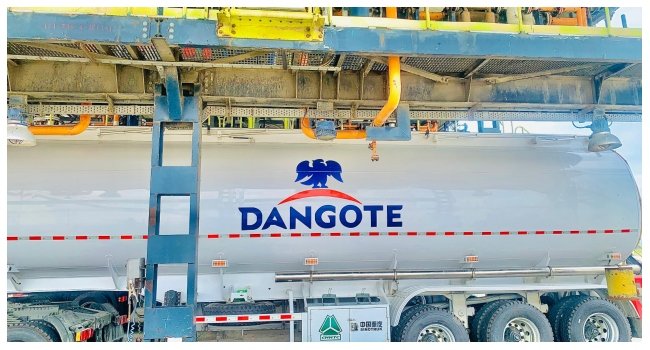
Dangote Petroleum Refinery has officially ended naira-denominated sales of Premium Motor Spirit (petrol), introducing a new pricing structure that fixes the ex-depot price of petrol at $0.779 per litre.
According to Punch, the new pricing, which took effect on Monday, also sets Automotive Gas Oil (diesel) at $1.087 per litre and Aviation Turbine Kerosene at $0.942 per litre. Coastal deliveries of petrol have been fixed at $1,044.62 per metric tonne.
The refinery notified marketers and customers that all previously issued naira-denominated Proforma Invoices and Deal Recaps for gantry and coastal transactions were no longer valid, confirming its full transition to United States dollar payments for refined petroleum products. However, the company clarified that Liquefied Petroleum Gas transactions remain exempt from the new policy.
The move ends the naira-for-crude arrangement that began after the Federal Government introduced the policy in October 2024 to strengthen domestic refining, reduce pressure on foreign exchange demand and stabilise fuel prices.
Industry sources told Punch that the refinery adopted the dollar-based pricing framework to address a growing mismatch between the currency used to purchase crude oil and the currency used to sell refined products. They explained that Dangote Refinery now receives a larger share of its crude supply from the Nigerian National Petroleum Company Limited under dollar-denominated agreements, increasing its exposure to foreign exchange risks.
The refinery said the new benchmark prices are intended to align product sales with the currency used to procure a significant portion of its crude feedstock.
The policy is expected to affect petroleum marketers who purchase products directly from the refinery and could influence retail fuel prices, depending on exchange rates, international crude oil prices, transportation costs, regulatory charges and marketers’ operating expenses.
The latest development also raises fresh questions about the future of the Federal Government’s naira-for-crude initiative as Nigeria’s downstream petroleum sector continues to grapple with foreign exchange pressures.