
/ Aug 27, 2026
/ Aug 27, 2026

Deteriorating soils threaten global food supplies, UN warns

Published on

By

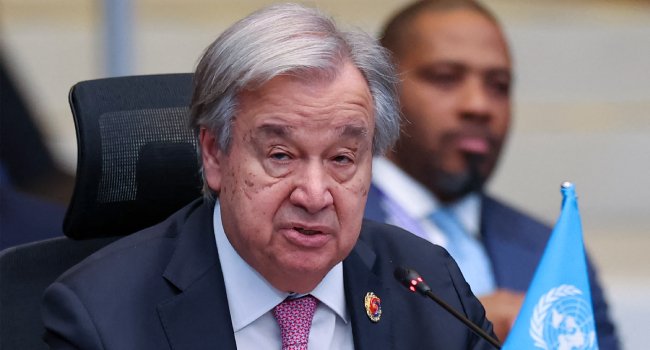
More than half of the world’s soils are in poor condition, threatening global food supplies and biodiversity, according to a new report by the United Nations Food and Agriculture Organisation (FAO).


The report, released on Thursday, found that soil degradation is continuing to accelerate, with erosion identified as the greatest threat to soil health.

The FAO said soils support 95 per cent of global food production, host 59 per cent of the world’s biodiversity and represent the planet’s second-largest carbon sink after the oceans.

According to the assessment, soil management was rated poor or very poor in 52.5 per cent of regions and subregions worldwide. About a third were assessed as fair, while only 14 per cent were rated good or very good.

The report identified several threats to soil health, including erosion, the loss of soil organic carbon, poor nutrient management, declining soil biodiversity, salt build-up, pollution and urban expansion.

Climate change is expected to worsen many of these problems, while degraded soils can also contribute to climate change. However, the FAO said improving soil health could strengthen resilience and help address global warming.

The latest assessment is the second major global soil report produced by the FAO, following its first study in 2015. Since that assessment, the global population has increased by about 800 million people, while approximately 80 million hectares of additional land have been converted to major crop production.

The FAO said many techniques for protecting and restoring soils have been known for years but have not been widely adopted.

Soil management improved in only 10 per cent of the areas assessed, while it deteriorated in 58 per cent, the report said.

One key method of reducing soil degradation is reducing or abandoning tillage, including ploughing. The FAO said tillage can damage organic life in soil and leave it more vulnerable to erosion.

Other recommended measures include planting cover crops such as legumes and brassicas, as well as agroforestry, which integrates trees into farming systems.

Better management of natural and artificial fertilisers is also considered important, particularly because fertilisers can contribute to pollution when poorly used.

The FAO said the main obstacle was not a lack of knowledge but limited access to resources and the high upfront costs associated with improved soil management.

It called for greater financial incentives, more localised soil data and increased use of indigenous knowledge to help farmers adopt sustainable practices.

The report was released as diplomats and experts gathered for COP17 on desertification in Ulaanbaatar, Mongolia, where participants are seeking a global agreement to address drought.

You May Like

Leave a Reply

Your email address will not be published. Required fields are marked *

Most Popular

Must Read

Sowore: Amaechi became a speaker, governor because of my fight for democracy

Omoyele Sowore, presidential candidate of the African Action Congress, AAC, has said former Rivers State governor Rotimi Amaechi benefited from the pro-democracy struggle that helped end military rule in Nigeria.   Sowore made the claim during an interview with Arise Television on Tuesday, August 25, 2026, while discussing his heated exchange with Amaechi at the Nigerian Bar Association, NBA, conference in Port Harcourt on Monday. The confrontation occurred during a political session at the NBA conference, where Sowore criticised former public officials and questioned their records in office. He also criticised Amaechi’s handling of infrastructure and transportation projects. Amaechi, who served as Rivers governor from 2007 to 2015 and later as Minister of Transportation, defended his record by highlighting projects undertaken during his time in office. During the exchange, he told Sowore to “close your mouth” while experienced politicians were speaking. Sowore: Democracy struggle created political space Reflecting on the confrontation, Sowore said he contacted Amaechi afterwards and asked him to apologise. He argued that his years of activism and involvement in the pro-democracy movement helped create the democratic environment in which politicians such as Amaechi could hold public office. “If I did not fight for democracy, Rotimi Amaechi would not be standing there yesterday,” Sowore said. He added that if Nigeria had remained under military rule, Amaechi would not have become Speaker of the Rivers State House of Assembly, governor or minister. Sowore also rejected suggestions that he lacks the experience required to seek the presidency, saying his experience came from his activism and campaign for democracy and good governance. Sowore defends political experience The AAC candidate said leadership experience should not be measured solely by previous occupancy of government office. He said his political experience was built through his advocacy for democracy and good governance, arguing that political leadership requires conviction, vision and the ability to bring people together to achieve results. Sowore also maintained his opposition to the removal of petrol subsidy, saying he had warned that the policy would worsen economic hardship. The comments come as Sowore and Amaechi continue to trade criticisms following their NBA conference confrontation, with both men positioning themselves ahead of Nigeria’s 2027 political contest. Amaechi is the African Democratic Congress, ADC, vice-presidential candidate, while Sowore is seeking the presidency on the AAC platform.
Read more

Editor's Pick

Trending News

Newsletter

Enter your email address and receive notifications of news by email.

You have been successfully Subscribed! Ops! Something went wrong, please try again.

© 2026 GongNews. All Rights Reserved.