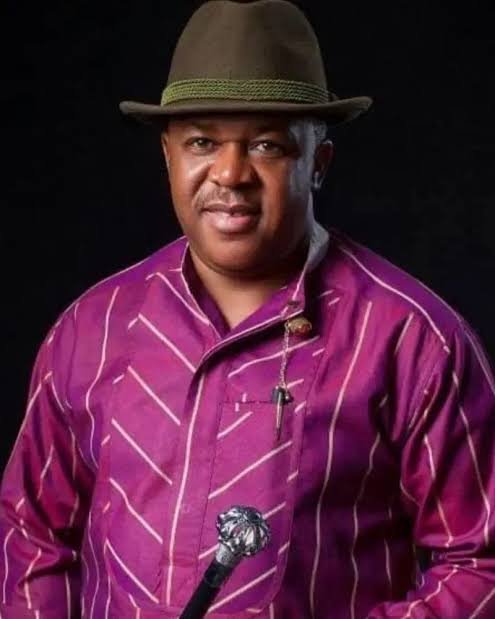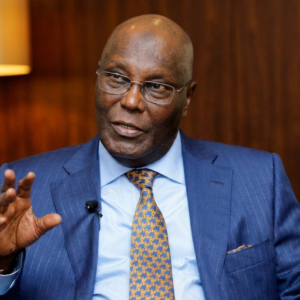

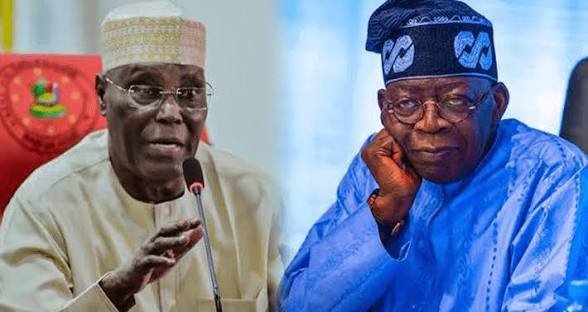
The political battle between former Vice President Atiku Abubakar and President Bola Tinubu has intensified, with petrol subsidy and the controversial $16bn power projects emerging as major points of confrontation ahead of the 2027 presidential election.
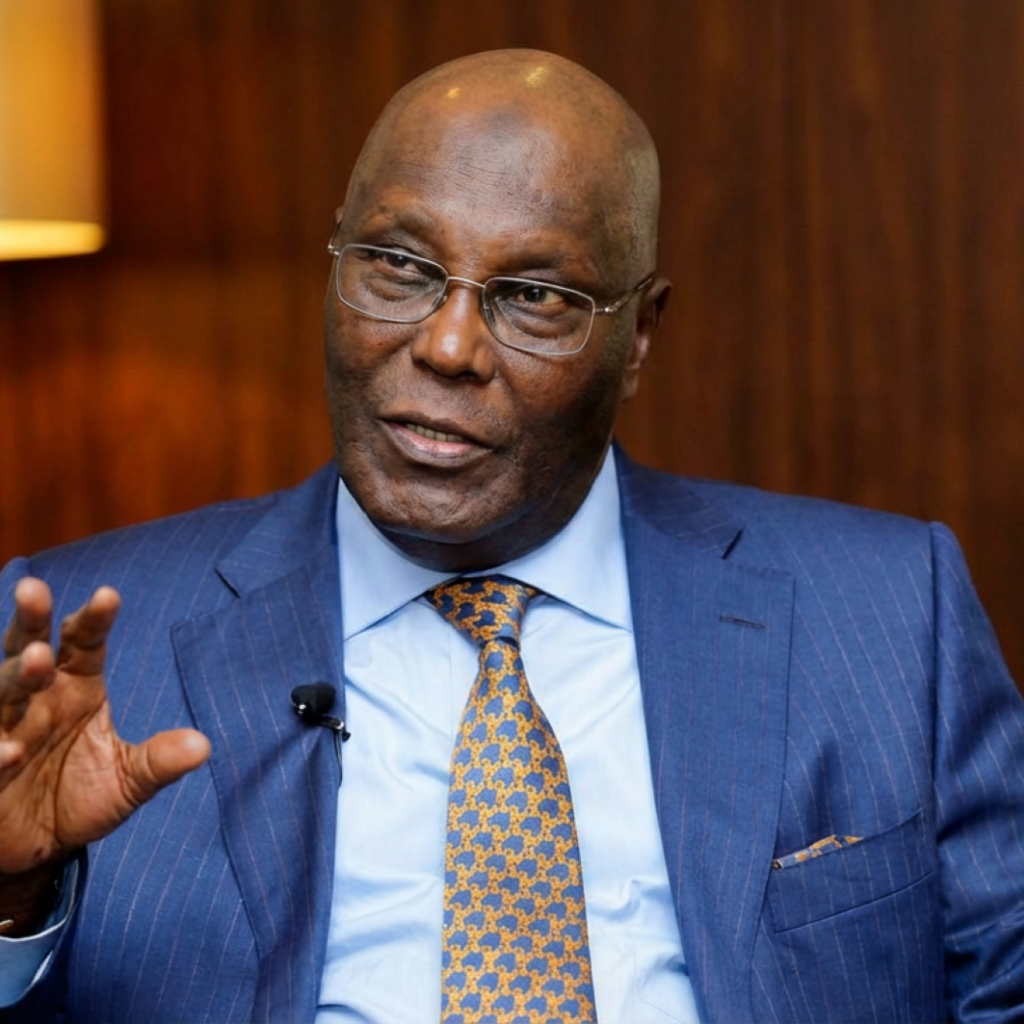
Atiku, the presidential candidate of the African Democratic Congress, challenged the Federal Government to investigate and prosecute him if it has evidence linking him to alleged wrongdoing over power-sector expenditure during the Olusegun Obasanjo administration.
In a statement issued on Wednesday by his Senior Special Assistant on Public Communication, Phrank Shaibu, Atiku accused the Tinubu administration of reviving old allegations to divert attention from questions over the revenues generated since petrol subsidy was removed.
The former Vice President said allegations concerning power projects, privatisation and public assets had been raised repeatedly over the years without resulting in his prosecution.
“The National Assembly investigated the power projects. I was never invited to answer any allegation of wrongdoing,” Atiku said.
He acknowledged that he chaired the National Council on Privatisation as Vice President but said he disagreed with the concept of the power project and did not oversee its implementation.
Atiku challenged the government to produce evidence if it believed he had stolen public funds.
“Investigate me. Invite me. Produce the evidence. Prosecute me if you have a case. But propaganda cannot substitute for evidence,” he said.
The controversy over the power projects dates back to the Obasanjo administration. House of Representatives investigations after Obasanjo left office examined spending and commitments that were commonly reported at about $16bn.
Atiku also turned his attention to petrol subsidy, arguing that Nigerians had endured higher petrol, transport and food costs following its removal without seeing sufficient benefits from the resulting government revenues.
President Tinubu removed the petrol subsidy shortly after his inauguration in May 2023, saying the policy was necessary to ease pressure on public finances and free resources for development.
Presidency accuses Atiku of policy U-turns
The Presidency, however, accused Atiku of giving conflicting explanations about his plan to restore petrol subsidy if elected in 2027.
The Special Adviser to the President on Information and Strategy, Bayo Onanuga, said Atiku and his aides had presented different positions on the proposed subsidy within one week.
According to Onanuga, Atiku’s spokesperson, Paul Ibe, initially said the former Vice President would restore petrol subsidy if elected and later phase it out.
He said Phrank Shaibu subsequently described that explanation as unauthorised and misleading, arguing that the subsidy would remain until domestic refining increased, supply stabilised and market competition deepened.
Onanuga said Atiku later reaffirmed his intention to introduce what he described as a targeted subsidy.
The presidential aide challenged Atiku to explain the proposed scheme, including its cost, beneficiaries, funding and the conditions that would determine when it would end.
Onanuga also argued that petrol prices were not the only factor affecting the cost of living, pointing to insecurity, exchange rates, logistics, storage, flooding and agricultural input costs.
He further questioned why a subsidy would focus only on petrol when crude oil refining also produces diesel, aviation fuel, kerosene and other products.
APC challenges Atiku over ‘thieves’ claim
The ruling All Progressives Congress also challenged Atiku to go to court and provide evidence for his claim that “thieves” were responsible for Nigeria’s political and economic problems.
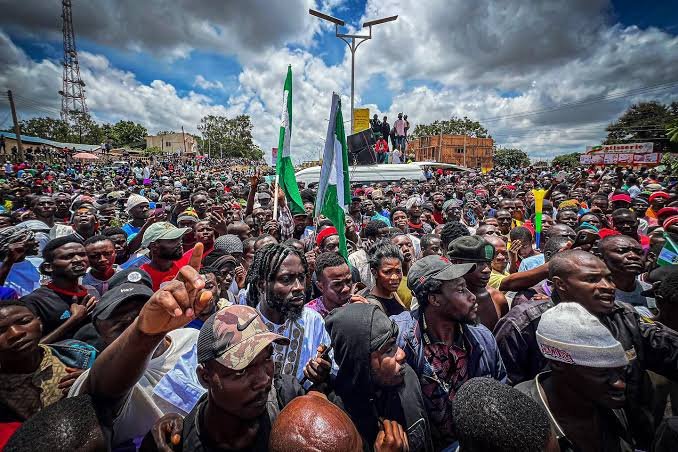
The reaction followed comments attributed to Atiku during an address to supporters in Abuja.
Atiku was quoted as saying the 2027 election was a contest against people who had allegedly stolen the election and the economy.
APC Director of Publicity Bala Ibrahim urged the former Vice President to seek legal redress if he had evidence supporting the allegations.
NANS rejects subsidy return
The National Association of Nigerian Students also criticised Atiku’s proposal to restore petrol subsidy.
NANS President Akinteye Babatunde said returning to the previous subsidy system without addressing the structural weaknesses that made it unsustainable could recreate the problems associated with the old arrangement.
He acknowledged that subsidy removal had imposed hardship but argued that the focus should also be on how the resulting savings were being used.
The latest exchanges come as political activity builds ahead of the 2027 presidential election, with Atiku and the ADC stepping up criticism of the Tinubu administration’s economic policies.