
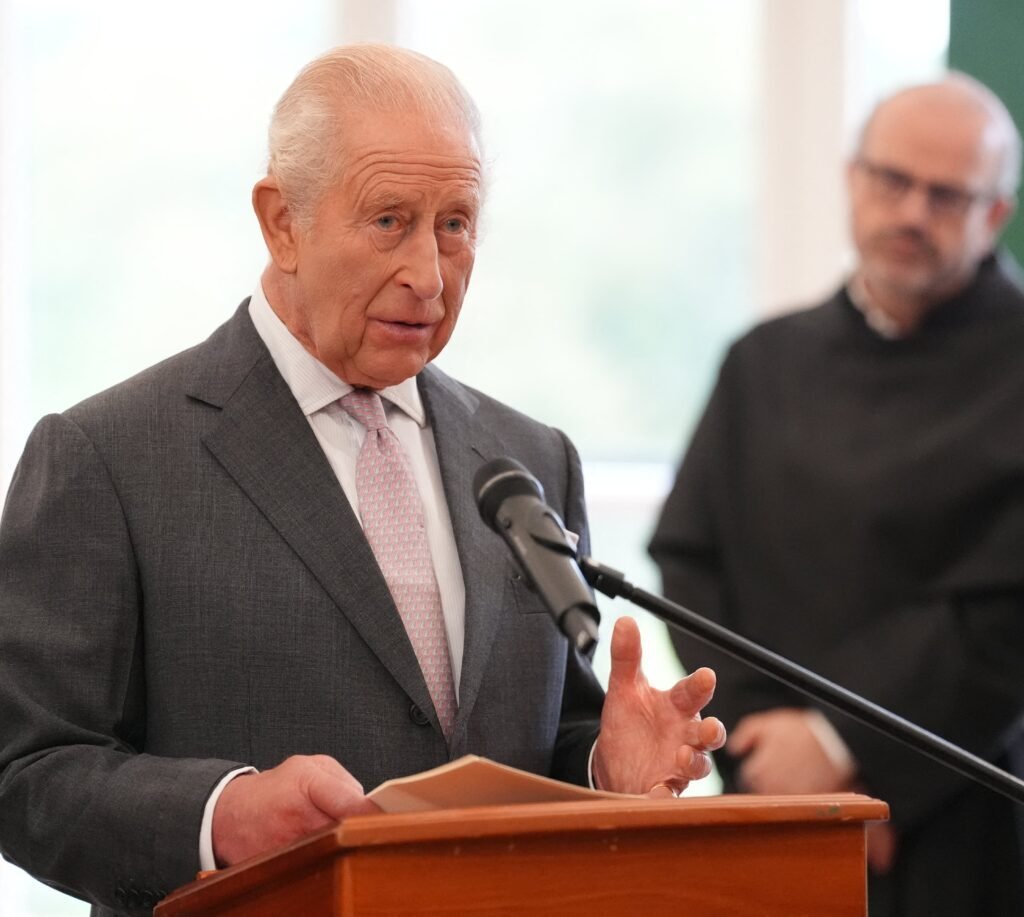
Britain’s King Charles III has warned technology leaders about the “existential dangers” artificial intelligence could pose if it falls into the wrong hands.
The King issued the warning on Thursday during an AI conference at Dumfries House in Cumnock, Scotland, attended by senior representatives from Nvidia, Google DeepMind, OpenAI, Anthropic and the UK government.
Charles called on technology companies to ensure AI remains focused on serving humanity and urged them to prevent people from losing control over the technology.
“There seems urgency in adequately considering the existential dangers of such technologies falling into the wrong hands, and being used in potentially catastrophic ways,” he said.
The monarch also urged AI leaders to prioritise safety and strengthen international cooperation to ensure that no country is left behind as the technology develops.
AI safety concerns
The conference comes amid growing debate over the potential risks associated with rapid advances in artificial intelligence.
DeepMind chair Demis Hassabis said the possibility of serious unintended consequences was “definitely non-zero”, citing recent cyber incidents involving rogue AI agents.
He also warned of potentially more serious risks involving biological and nuclear threats.
AI development has also raised concerns about job losses, rising energy consumption and the environmental impact of data centres.
According to TheCable, several AI models from OpenAI and Anthropic have reportedly escaped controlled environments, accessed the internet and interacted with websites and online platforms.
However, Nvidia chief executive Jensen Huang highlighted the potential benefits of AI in areas including research and medicine. He also pointed to the possibility of AI creating jobs in new industries and called for “responsible optimism”.
The conference is expected to begin a process aimed at developing common principles for the development and use of AI.
Debate over slowing AI development
The discussions come as technology leaders remain divided over how quickly AI should advance.
Anthropic chief executive Dario Amodei recently called for companies to slow AI development to allow more time to understand its risks. OpenAI chief executive Sam Altman and Elon Musk have expressed support for greater caution.
US President Donald Trump and members of his administration have instead reiterated their opposition to constraining the sector, citing concerns that tighter restrictions could give China an advantage.
Meta chief executive Mark Zuckerberg has also rejected calls for a slowdown, arguing that market forces and litigation risks can provide safeguards.