
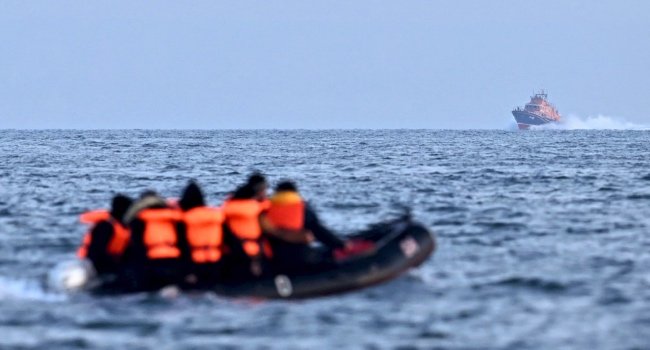
More than 1,000 migrants have been rescued off the coast of West Africa after attempting the dangerous Atlantic migration route to Spain’s Canary Islands, Doctors Without Borders (MSF) has said.
According to Channels Television, citing MSF, a total of 1,046 people were travelling in seven boats that had departed The Gambia and were bound for the Canary Islands when they became stranded at sea.
The migrants were intercepted during the last week of August and subsequently taken to Nouadhibou in Mauritania, as well as Rosso and Dakar in Senegal.
The Atlantic route from West Africa to the Canary Islands is considered highly dangerous. Thousands of migrants, many of them young people, attempt the journey each year in overloaded and often poorly maintained boats.
MSF said the survivors rescued in the latest operation were suffering from severe medical conditions, including extreme dehydration, unconsciousness, bone fractures, extreme fatigue, and skin, gastric and respiratory infections.
The organisation also highlighted the psychological trauma experienced by many of the survivors, saying some had witnessed loved ones die during the perilous crossing.
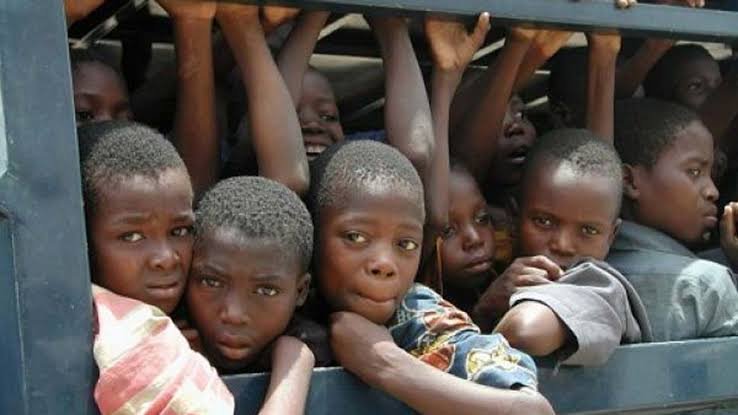
Among those rescued were 134 women, including a pregnant woman, and 88 minors.
Most of the migrants were from Senegal and The Gambia, while others came from Mali, Guinea, Ivory Coast and other countries.
MSF said many of those interviewed reported experiencing violence both in their countries of origin and during their migration journeys.
The migrants‘ journeys come amid continued attempts by people in West Africa to reach Europe, with poverty and tighter European visa and border controls cited among factors contributing to the use of dangerous clandestine routes.