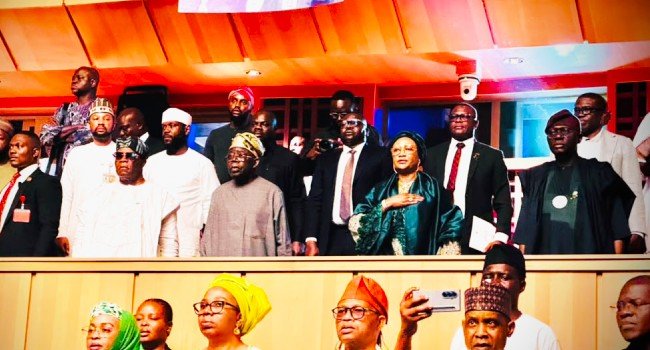

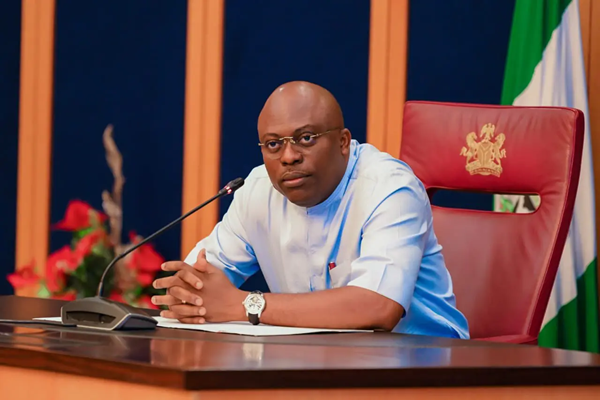
Governor Siminalayi Fubara has withdrawn from the All Progressives Congress governorship primary in Rivers State, deepening the political drama surrounding the party’s nationwide primaries ahead of the 2027 elections.
According to Punch Newspapers, Fubara announced his withdrawal late Wednesday, saying the decision was made after consultations and in the interest of peace, unity and stability in Rivers State.
In a statement titled My Decision to Withdraw from the APC Gubernatorial Primaries, the Rivers governor said leadership required sacrifice and that personal ambition must give way to the collective interest of the state.
Fubara also dismissed suggestions that his withdrawal was due to fear or weakness, insisting it was a deliberate move to allow Rivers State move forward peacefully.
The development comes after months of political tension between Fubara and the Minister of the Federal Capital Territory, Nyesom Wike, whose rivalry has dominated Rivers politics since 2023.
The crisis had previously led to emergency rule in Rivers State in 2025 after President Bola Tinubu intervened unsuccessfully in reconciliation efforts between both camps.
Before Fubara’s withdrawal, several politicians considered loyal to him had reportedly been disqualified from legislative primaries, including allies in the Rivers State House of Assembly and National Assembly members believed to support the governor.
Former APC governorship aspirants Tonye Cole and Dakorinama George-Kelly also stepped down from the race, leaving House of Representatives Minority Leader Kingsley Chinda as the sole remaining governorship aspirant in Rivers APC.
Cole said his withdrawal followed consultations with party leaders and was aimed at preserving unity within the APC ahead of the 2027 elections.
Across the country, APC governorship primaries have sparked intense political manoeuvring, with several governors pushing consensus candidates while some aspirants resist pressure to step down.
In Kwara State, Governor AbdulRahman AbdulRazaq endorsed Ambassador Yahaya Seriki as his preferred successor, despite opposition from over a dozen aspirants preparing to challenge the move.
In Plateau State, retired military officer Yilcini Bida rejected rumours that he had stepped down for Governor Caleb Mutfwang, insisting he remained fully in the race.
Adamawa State also witnessed mounting tensions as political blocs linked to Governor Ahmadu Fintiri and National Security Adviser Nuhu Ribadu reportedly backed rival governorship aspirants.
The APC is expected to conduct direct primaries in states where consensus arrangements fail, amid fears that unresolved disputes could worsen internal divisions before the governorship elections.