
/ Nov 26, 2026
/ Nov 26, 2026

Senegal regains AFCON title after CAS overturns CAF ruling

Published on

By

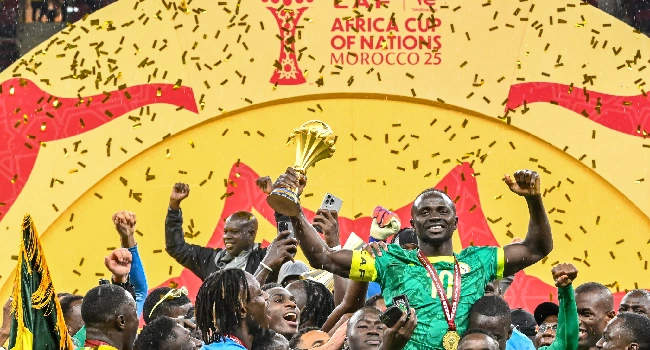
Senegal have regained their Africa Cup of Nations (AFCON) title following a landmark ruling by the Court of Arbitration for Sport (CAS), which overturned the Confederation of African Football’s (CAF) decision to declare Morocco champions.


The Swiss-based sports court announced on Tuesday that it had unanimously upheld an appeal by the Senegalese Football Federation against CAF and the Royal Moroccan Football Federation.

The ruling restores Senegal’s original 1-0 victory over Morocco in the January 18 final, played at the Prince Moulay Abdellah Stadium in Rabat.

The victory confirms Senegal as two-time African champions, following their maiden AFCON triumph in 2022.

Why CAF Stripped Senegal Of The Title

The controversy dates back to March when CAF overturned the final’s result and awarded Morocco a 3-0 victory after several Senegalese players walked off the pitch in protest over a controversial penalty decision.

The incident occurred late in normal time when Congolese referee Jean-Jacques Ndala awarded Morocco a penalty following a VAR review of a challenge on Brahim Diaz.

Senegal’s players and supporters protested furiously, with most of the team leaving the pitch. The situation also triggered disturbances involving supporters and security personnel.

However, the Senegalese players eventually returned, allowing the match to resume after a lengthy delay.

Diaz subsequently missed the penalty, while Pape Gueye scored the decisive goal in extra time to secure Senegal’s victory.

CAF’s Appeals Committee had relied on Articles 82 and 84 of the AFCON Regulations to justify overturning the result.

The provisions state that a team that refuses to play or leaves the field before the end of a match without the referee’s authorisation may be declared the loser and eliminated from the competition.

However, the three-member CAS panel ruled that the provisions did not apply because the referee had authorised the match to resume.

The court said the referee’s decision demonstrated that the conditions for restarting the match had been met.

CAS Director General Matthieu Reeb described the ruling as significant, noting that it was the first time the court had been required to determine the fate of a continental final.

Mane Celebrates As Morocco Rejects Ruling

Senegal captain Sadio Mane welcomed the decision, describing it as one that filled the team with joy.

Senegalese Football Federation president Abdoulaye Fall also said the ruling had delivered justice to the sport.

In a message shared on Instagram, Mane extended his respect and encouragement to Morocco’s players and people, describing Senegalese and Moroccan citizens as brothers.

However, Morocco’s football federation has vowed to challenge the ruling through all available legal channels.

The federation raised concerns over alleged contact between German arbitrator Ulrich Haas, one of the three CAS panel members, and Senegalese federation president Abdoulaye Fall 48 hours before the verdict was announced.

It said it would pursue the necessary legal avenues to contest the decision.

Morocco Remain One-Time AFCON Champions

The ruling means Morocco have lost the title they were awarded by CAF, leaving their only AFCON triumph as the 1976 victory.

Senegal, meanwhile, retain the championship they won on the pitch in January and add another major milestone to their football history.

Both countries have also secured qualification for the next AFCON tournament, scheduled to take place in Kenya, Tanzania and Uganda in June and July 2027.

You May Like

Leave a Reply

Your email address will not be published. Required fields are marked *

Most Popular

Must Read

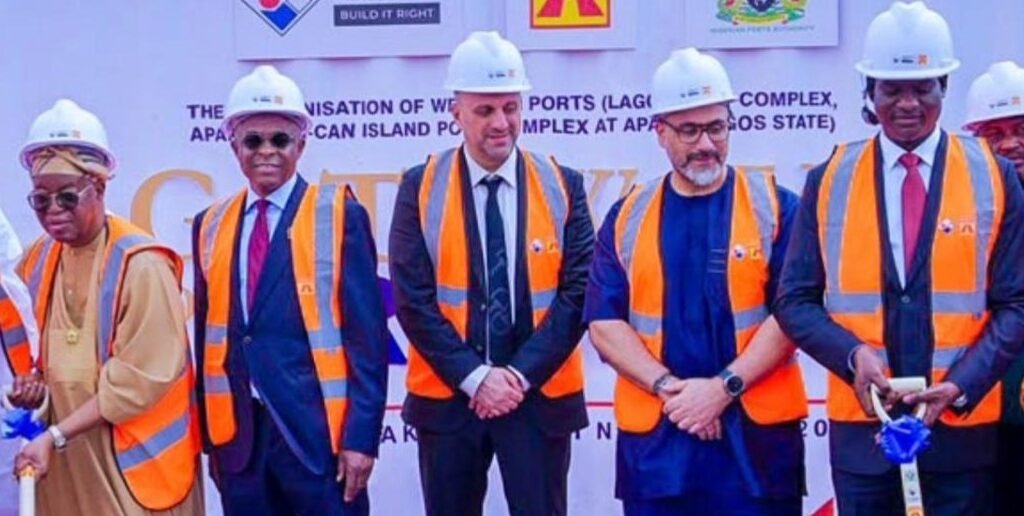
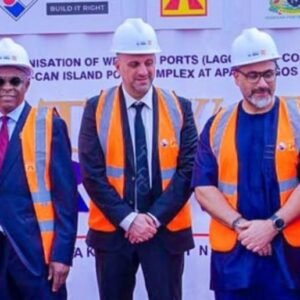
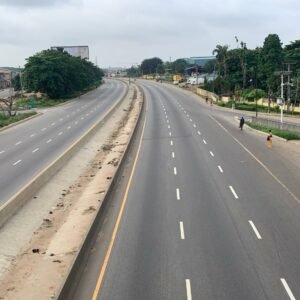
Apapa and Tin Can Island ports in Lagos undergoing a planned N1.45 trillion federal government modernisation project.

FG begins N1.45trn Lagos ports upgrade, targets 20,000 jobs

The Federal Government has commenced a £746 million (N1.45 trillion) modernisation project at the Apapa and Tin Can Island ports in Lagos, targeting the creation of at least 20,000 direct and indirect jobs.   The project, flagged off on Wednesday, November 25, by Adegboyega Oyetola, Minister of Marine and Blue Economy, is aimed at addressing ageing infrastructure, reducing cargo delays and attracting more international shipping lines to Nigeria. According to a statement signed by Bolaji Akinola, the minister’s special adviser, the upgrade will improve port efficiency, reduce cargo transportation costs and strengthen Nigeria’s position in international trade. Speaking at the flag-off ceremony at Tin Can Island Port, Oyetola said existing port infrastructure had become inadequate to accommodate the country’s growing trade demands. He noted that cargo throughput had increased from 8.11 million metric tonnes in 1977 to 129.3 million metric tonnes, while Nigeria’s population had grown from approximately 67.2 million to 240 million. The minister also disclosed that annual merchandise trade had expanded from about $17 billion to more than $100 billion. He stressed that modernising the ports was essential to maintaining Nigeria’s competitiveness in the global maritime industry. Port Inefficiencies Cost Nigeria $4bn Annually Oyetola disclosed that cargo delays, congestion, demurrage and storage charges were estimated to cost the Nigerian economy as much as $4 billion annually. He said cargo dwell time at Nigerian ports had historically ranged between 10 and 18 days, compared with three to five days at leading international ports. The modernisation project will cover the rehabilitation of critical port infrastructure, including quay walls, berths, dredging and navigation channels, access facilities, cargo-handling equipment and operational systems. According to the minister, the improvements will also introduce more integrated and digitally enabled port operations. He added that the project would benefit Nigerian exporters by reducing operating costs, improving delivery schedules and helping locally produced goods compete more effectively in international markets. Agricultural products, processed foods, solid minerals, manufactured goods, textiles and petrochemical products are among the sectors expected to benefit from improved port operations. FG Moves to Prevent Disruptions During Construction To minimise disruptions during construction, Oyetola said an inter-ministerial committee involving the Ministry of Marine and Blue Economy, the Nigerian Ports Authority (NPA) and the Nigeria Ports Economic Regulatory Agency would develop a Port Business Continuity and Cargo Flow Management Plan. The plan will coordinate phased construction, vessel scheduling, cargo evacuation, truck movements and the possible use of alternative ports and transportation methods. The minister explained that the Lagos ports upgrade was part of a broader maritime modernisation programme covering Onne, Rivers, Delta and Calabar ports. Meanwhile, Taiwo Oyedele, Minister of Finance and Coordinating Minister of the Economy, said the project would lower the cost of doing business and improve the competitiveness of Nigerian products. He described the financing arrangement as Nigeria’s largest sovereign export credit transaction since 2009 and the first project in the country for Poland’s Export Credit Insurance Corporation (KUKE). Abubakar Dantsoho, Managing Director of the Nigerian Ports Authority, assured that the authority would ensure the project was executed in line with approved designs, engineering standards and contractual timelines. The Federal Government expects the investment to strengthen Nigeria’s maritime infrastructure, improve cargo handling and position the country’s ports as major gateways for trade across Africa.
Read more

Editor's Pick

Trending News

Newsletter

Enter your email address and receive notifications of news by email.

You have been successfully Subscribed! Ops! Something went wrong, please try again.

© 2026 GongNews. All Rights Reserved.