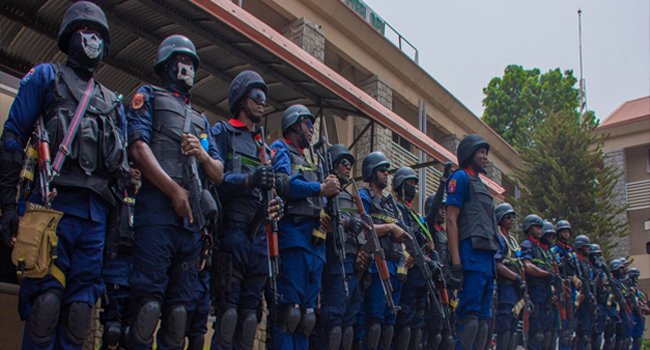
Flooding in Nigeria has intensified across several states, killing residents, displacing families and destroying homes, roads, farms and other infrastructure as heavy rainfall continues. The National Emergency Management Agency has deployed search and rescue teams to affected communities following fresh flood incidents, while state emergency agencies have stepped up evacuation, drainage clearing and public awareness efforts. NEMA’s Head of Media and Public Relations, Manzo Ezekiel, said the agency remained on alert despite records showing that the flood situation was not as severe as it was during the same period last year. “So far, the records are better than incidents of last year. But we are not lowering our guard yet, because the season is still on,” Ezekiel said. According to him, NEMA activated its operational offices after receiving a flood alert last week and directed search and rescue teams to affected areas to coordinate with local authorities. The agency said teams would move to Ebonyi State before proceeding to Port Harcourt, Rivers State, where flooding has caused significant disruption. The Nigerian Meteorological Agency also warned that heavy rainfall would continue in parts of the country, particularly in the central and southern regions, as the rainy season remains active. NiMet urged residents to monitor its daily weather forecasts and take precautions in flood-prone areas. Multiple states affected The latest flooding has affected communities in Bauchi, Edo, Bayelsa, Imo, Rivers, Osun, Ekiti, Abia, Anambra, Benue and Delta states, while authorities in Kano, Yobe, Nasarawa and Zamfara have also reported weather-related impacts. In Bauchi, six local government areas were identified as being among the worst affected by disasters during the rainy season. They include Toro, Bauchi, Ningi, Shira, Gamawa and Kirfi. The state emergency agency said two people had died in Kirfi, while thousands of houses and properties were damaged. In Edo, flooding from the overflowing Ojirami Dam affected the Enwan-Igarra-Ososo Expressway, leaving the route impassable. A community leader expressed fears that continued rainfall could worsen the situation. The Edo State Emergency Management Agency, however, said the immediate threat from the dam had been reduced after repairs were carried out around the affected section. Bayelsa has also recorded severe flooding and erosion in Obogoro community, where residents said more than 200 houses had been submerged by the advancing Ekoli River. Residents appealed for urgent government intervention, saying homes, farms and community infrastructure had been destroyed. Rivers, Imo and Osun record widespread flooding In Imo State, flooding affected nine local government areas, with several roads rendered impassable. NEMA officials said some families trapped by floodwaters in Akwakuma were moved to higher ground, while officials continued to monitor other vulnerable communities. Parts of Rivers State, including Port Harcourt City and Obio/Akpor, have also been affected. Residents of Marine Base said they had battled flooding for almost a month, with some spending about N7,000 daily to hire pumping machines. Flooding was also reported at the Rivers State Rehabilitation Centre in Iriebe, while corps members at a nearby NYSC transit camp were affected. A 17-year-old, Ifeanyichukwu Osuji, reportedly died in floodwaters at Umuebereke community in Oyigbo Local Government Area. In Osun, seven local government areas were affected, with damaged bridges, flooded homes and disrupted transportation reported in several communities. Deaths and destruction reported in Abia and Anambra Abia State recorded widespread flooding across more than 16 communities. PUNCH reported claims that about 20 people had died and more than 800 houses had been destroyed or submerged, although the reported death toll had not been independently verified. A 12-year-old student of Federal Government College, Ohafia, Sopuruchi Ibe, was confirmed dead after being swept away by floodwater. Anambra also recorded flooding in Onitsha, Awka, Nnewi, Ekwulobia and Ogidi. A school pupil, Success Ezenwafor, died after a shuttle bus carrying pupils was overturned by floodwater along the Isiagu-Nibo-Awka Link Road. Seven other children and two adults were rescued. Yobe records 11 deaths In Yobe State, the emergency management agency said 34,533 people had been affected by tropical windstorms, heavy rainfall and flash floods across 15 local government areas since May. The agency reported that 9,845 households were affected, while 21,363 shelters or rooms were damaged or destroyed. It also recorded 303 injuries and 11 deaths. In Kano, officials said nine people had died and 4,524 people had been displaced by rainstorms and windstorms between January and August 2026. Recent flooding in Shuwaki, Tudun Wada Local Government Area, also destroyed more than 200 rice farms and damaged a historic bridge. Senate calls for faster flood response The Senate has called on governments at all levels to strengthen disaster preparedness and improve relief efforts for flood victims. Senate President Godswill Akpabio urged authorities to prepare early, protect vulnerable communities and ensure that relief materials reach affected residents promptly. “A warning must lead to preparation, preparation must lead to protection, and relief must reach the people for whom it is intended,” Akpabio said. The flooding has renewed calls for improved drainage systems, dredging of waterways, erosion control, dam maintenance and reconstruction of damaged roads and bridges. Authorities have also urged residents to avoid dumping refuse into drainage channels, building on waterways and occupying flood-prone areas. With heavy rainfall expected to continue in parts of the country, NEMA and state emergency agencies say they will remain on alert and intensify response efforts in vulnerable communities.
Read more