
A fragile ceasefire between the United States and Iran came under renewed pressure after both countries accused each other of launching attacks in the Strait of Hormuz, despite claims by Donald Trump that the truce remained intact.
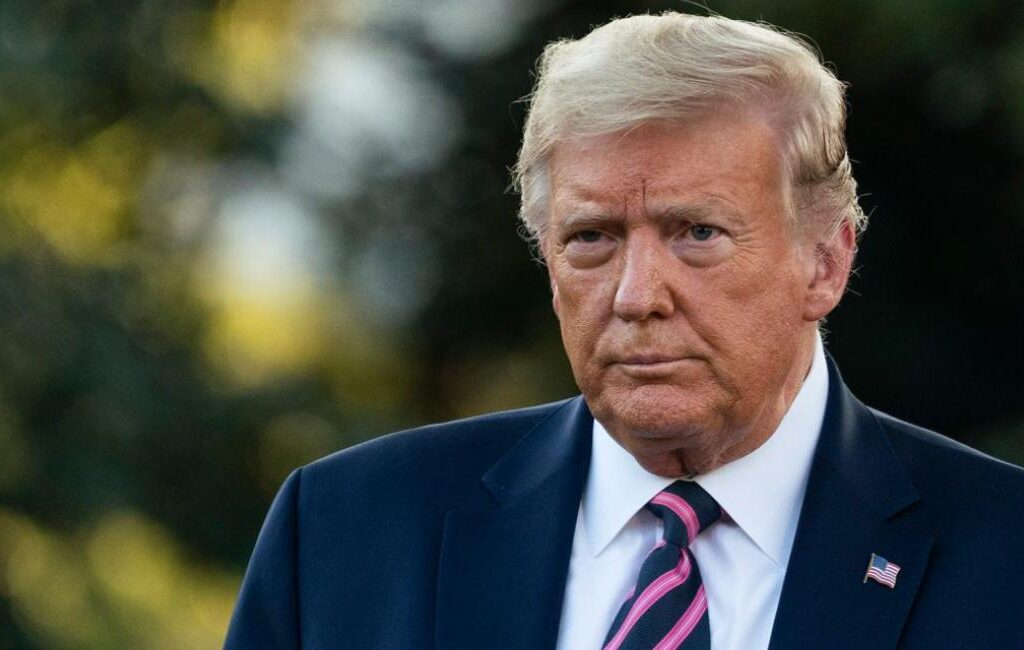
Trump said the ceasefire was still holding after Iranian forces allegedly targeted three American destroyers in the Strait of Hormuz, a critical global oil shipping route.
Speaking in Washington on Thursday, the US president said: “Yeah, it is. They trifled with us today. We blew them away. They trifled. I call that a trifle.”
According to the US military’s Central Command, Iranian forces launched “multiple missiles, drones, and small boats” at the warships, although no American vessel was hit.
CENTCOM said US forces intercepted the threats and carried out retaliatory strikes on Iranian military facilities believed to be responsible for the attack.
“CENTCOM does not seek escalation but remains positioned and ready to protect American forces,” the command said in a statement posted on X.
However, Iran’s military denied initiating the confrontation, accusing Washington of breaching the ceasefire first by attacking an oil tanker and another vessel. Tehran said its forces responded immediately by targeting American naval assets.
The latest exchange threatens a truce that has been in effect since April 8, ending weeks of conflict involving US and Israeli strikes on Iran and retaliatory attacks across the Middle East.
The United Arab Emirates also reported heightened tensions on Friday, saying its air defence systems were intercepting missile and drone attacks originating from Iran.
Trump further intensified pressure on Tehran by warning of harsher military action if negotiations over Iran’s nuclear programme collapse.
Posting on Truth Social, he said: “We’ll knock them out a lot harder, and a lot more violently, in the future, if they don’t get their Deal signed, FAST!”
Iran’s foreign ministry spokesman, Esmaeil Baqaei, said Tehran would communicate its official position to mediator Pakistan after internal consultations.
Before the latest clashes, Pakistani Prime Minister Shehbaz Sharif had expressed optimism that the temporary truce could become permanent.
Meanwhile, tensions are also rising in Lebanon, where renewed violence threatens a separate ceasefire involving Hezbollah and Israel.
A US State Department official confirmed that new Israel-Lebanon talks are scheduled for May 14 and 15, marking another diplomatic effort to ease regional instability.
US Secretary of State Marco Rubio said earlier this week that peace between Israel and Lebanon was “eminently achievable”, though he blamed Hezbollah for obstructing progress.
The conflict has also disrupted international shipping. Since fighting escalated in February, Iran has largely restricted access through the Strait of Hormuz, trapping around 1,500 ships and 20,000 crew members in the Gulf region, according to the International Maritime Organization.
AFP reported that Trump briefly authorised a naval operation to reopen the waterway before halting it amid signs of diplomatic progress.