
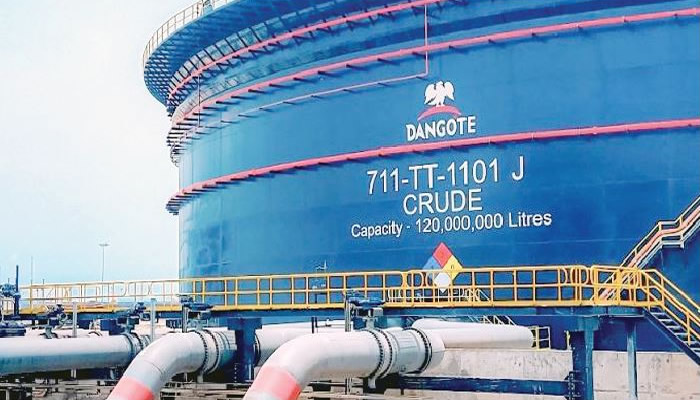
The battle for control of Nigeria’s downstream petroleum sector has intensified as the Nigerian National Petroleum Company Limited accused the Dangote Petroleum Refinery of attempting to create a monopoly through its legal challenge against fuel import licences.
In a counter-affidavit filed before the Federal High Court in Lagos, the NNPC argued that petroleum products from the Dangote refinery are sold at “significantly high and fluctuating market prices”, insisting that restricting imports could destabilise fuel supply and expose the country to energy security risks.
According to a report by Punch Newspapers, the state oil company asked the court to dismiss the suit filed by the Dangote refinery, describing it as premature and an abuse of court process.
The dispute followed the refinery’s opposition to import licences granted by the Nigerian Midstream and Downstream Petroleum Regulatory Authority to fuel marketers and the NNPC. The refinery argued that continued petrol imports undermine local refining despite its claim that it can meet over 90 per cent of Nigeria’s daily petrol demand.
The refinery also accused regulators and the NNPC of frustrating its operations through crude supply challenges and continued import approvals.
However, the NNPC maintained that there is no independently verified evidence proving the refinery can fully satisfy Nigeria’s nationwide fuel demand without interruptions.
The company warned the court that relying on a single supplier for fuel distribution could trigger shortages, supply disruptions and price instability if refinery operations are affected.
NNPC further argued that fuel supply obligations extend beyond refining capacity and include logistics, storage, transportation and strategic reserve management.
The oil firm said granting Dangote’s requests would “effectively expose Nigeria’s petroleum sector to monopoly control and undermine competitive participation within the industry”.
The NNPC also defended the legality of import licences issued under the Petroleum Industry Act, insisting the law does not impose a mandatory ban on fuel importation.
Marketers under the Petroleum Products Retail Outlet Owners Association of Nigeria backed the NNPC’s position, saying a competitive market remains necessary to prevent exploitative pricing and ensure product availability.
PETROAN National President Billy Gillis-Harry said competition in the downstream sector encourages price moderation, efficiency and sustainability.
He acknowledged the Dangote refinery’s investment and contribution to local refining but stressed that the market should remain open to multiple operators under government regulation.
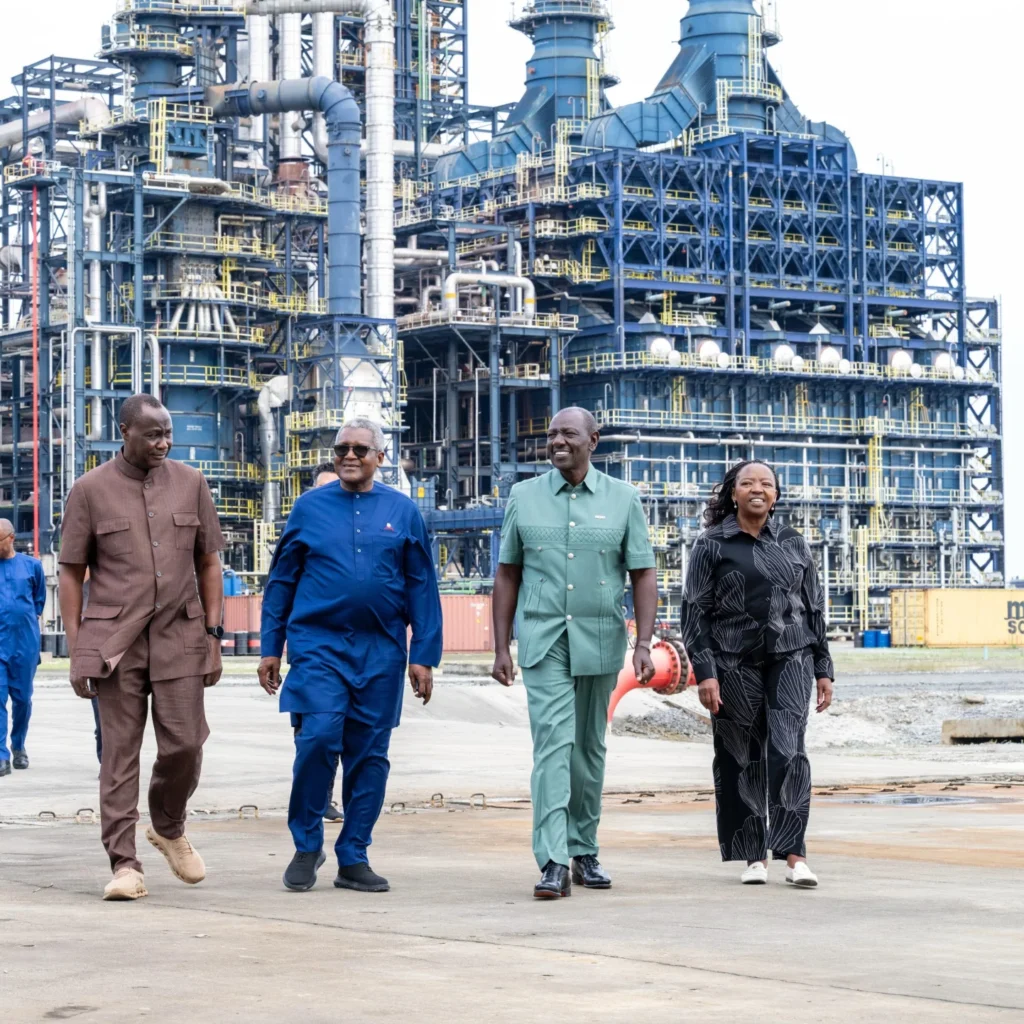
The dispute marks another major legal confrontation between the Dangote refinery and government oil agencies since the refinery began operations in Lekki.
The case also highlights the growing competition among refiners, marketers and importers since the removal of fuel subsidy in 2023, which shifted petrol pricing to market-driven forces.