
Efforts to rescue dozens of pupils, students and teachers abducted during coordinated attacks on schools in Oyo and Borno states have been slowed by difficult terrain, fears over hostage safety and demands by the kidnappers for the release of detained terrorist leaders.
According to a report by Punch, security and Presidency sources disclosed that the abductors are demanding the release of senior Ansaru commanders currently in government custody. The Federal Government is said to be unwilling to agree to the proposed prisoner swap despite growing public pressure for the victims’ freedom.
Sources familiar with the negotiations said the terrorists are specifically seeking the release of Mahmud Muhammad Usman and his deputy, Mahmud al-Nigeri, two senior Ansaru leaders arrested during intelligence-led counterterrorism operations in 2025.
A Presidency source alleged that the attacks in Oyo and Borno were coordinated to strengthen the kidnappers’ bargaining position and force the government into negotiations.
“The terrorists are pressing for a swap with some high-profile terrorists who are in government custody,” the source said, adding that rescue efforts have been complicated by the unfamiliar forest terrain where the hostages are believed to be held.
The official further claimed that the attackers originated from the Kainji forest region and were attempting to secure the release of their detained leaders through the kidnappings.
National Security Adviser, Nuhu Ribadu, had announced the arrest of the Ansaru commanders in August 2025, describing it as one of the most significant blows against the terrorist group.
Ansaru, an al-Qaeda-linked faction that split from Boko Haram, has operated across parts of northern and central Nigeria, particularly around the Kainji forest area.
Government officials said authorities are reluctant to release the detained commanders because of fears they could regroup and resume terrorist activities.
The kidnappings occurred on May 15 when armed men attacked schools in Esiele community, Oriire Local Government Area of Oyo State, abducting pupils, students and teachers from three schools. One abducted teacher, Michael Oyedokun, was later beheaded by the kidnappers.
On the same day, suspected Boko Haram insurgents attacked three schools in Mussa town, Askira-Uba Local Government Area of Borno State, abducting between 42 and 50 schoolchildren.
President Bola Tinubu condemned the attacks, describing them as barbaric and assuring Nigerians that security agencies would secure the victims’ release.
Speaking at a national security briefing in Abuja, Information Minister Mohammed Idris said the safe return of the abducted children and teachers remains a top national priority.
He revealed that the President had authorised the deployment of a specialised rescue team and approved the recruitment of 1,000 forest guards to improve security in vulnerable communities.
Meanwhile, United Nations Resident and Humanitarian Coordinator in Nigeria, Mohamed Malick Fall, called for the immediate and safe release of the abducted pupils and teachers.
Following a meeting with officials of the National Safe Schools Response Coordination Centre, Fall expressed concern about the growing threat to education and child protection in Nigeria.
“Schools must remain safe havens for learning and not places of fear. Children should never be a target,” he said.
Civil society organisations also criticised the government’s handling of insecurity. More than 90 groups, including Amnesty International Nigeria, SERAP and Yiaga Africa, accused authorities of failing to adequately protect citizens from growing violence and kidnappings.
The groups cited data indicating that nearly 20,000 people have been killed and more than 12,000 abducted since May 2023.
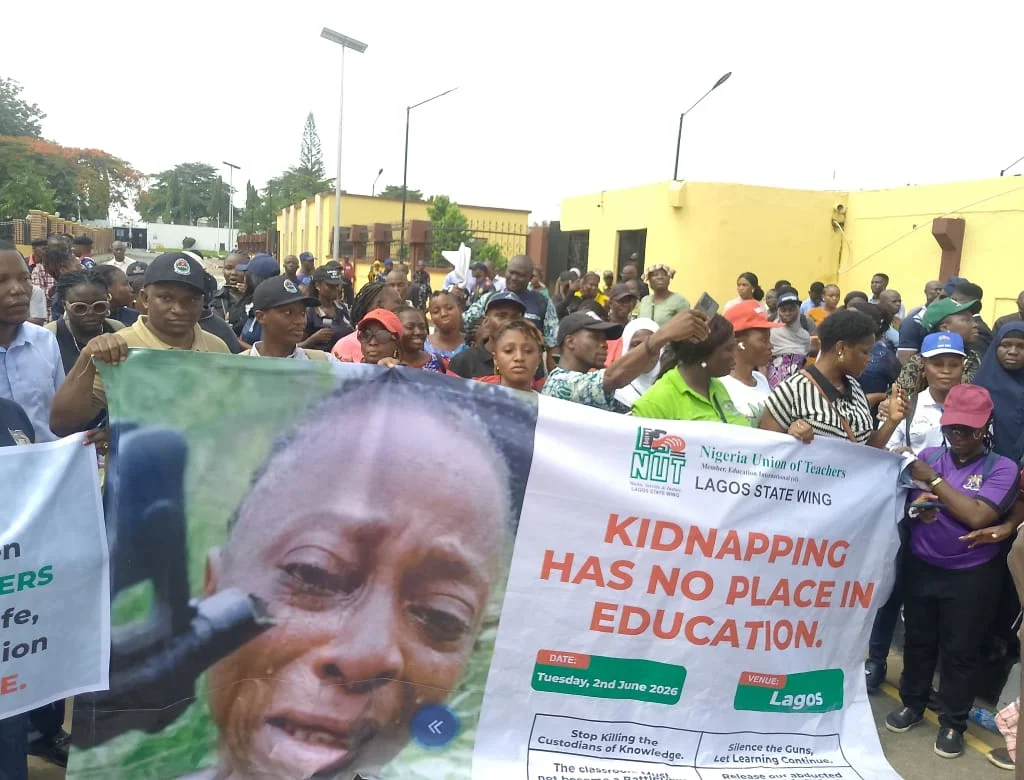
Student leaders also joined calls for urgent action. The National Association of Nigerian Students backed advocacy efforts by the Nigeria Labour Congress and the Nigeria Union of Teachers, insisting that schools must be protected from further attacks.
Authorities say military, intelligence and law enforcement agencies continue to conduct surveillance, intelligence gathering and rescue operations, but officials acknowledge that the safety of the hostages remains the overriding concern.