
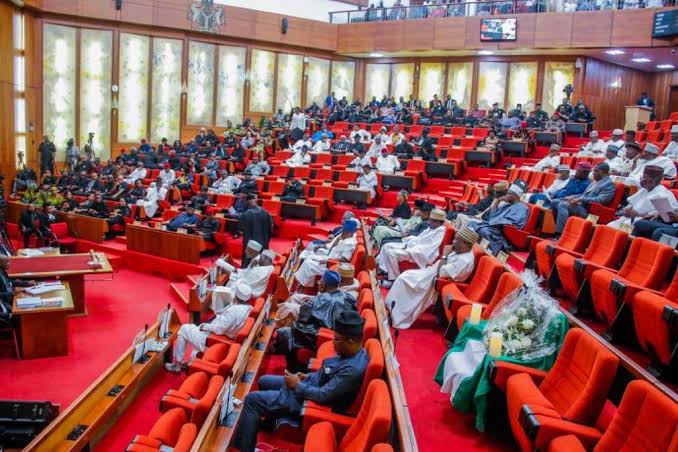
A fresh dispute has emerged between state electricity regulators and the National Assembly over proposed changes to Nigeria’s power sector laws.
State electricity regulators from 16 states have objected to the proposed Electricity Act (Amendment) Bill 2026 currently under consideration by the Senate Committee on Power, warning it could reverse key reforms introduced under the Electricity Act 2023.
In a memorandum submitted to lawmakers, the regulators argued that the amendments risk recentralising control of the electricity market and weakening powers already devolved to states following constitutional changes that enabled sub-national electricity regulation.
The concerns were backed by regulators from states including Lagos, Abia, Enugu, Edo, Ogun, Oyo and several others, who said they had already begun developing independent electricity markets and attracting investment under the current legal framework.
They raised objections to provisions in the bill touching on state legislative powers, wholesale electricity markets, national grid oversight, and the authority of the Nigerian Electricity Regulatory Commission over state-level electricity operations.
According to the regulators, some clauses could allow federal authorities to retain or expand control over areas they say are now constitutionally under state jurisdiction, potentially creating uncertainty for investors and disrupting ongoing reforms.
They also criticised proposals relating to consumer funds, tariff structures, regulatory coordination, and dispute resolution mechanisms, arguing that state regulators should not be subordinate to federal regulatory bodies within their jurisdictions.
The debate highlights ongoing tensions over how Nigeria’s electricity sector should be governed following reforms aimed at decentralising generation and distribution responsibilities.
The Senate is expected to continue deliberations on the amendment bill as stakeholders push for further consultations.